Two Iraqi Soldiers Killed by ISIS-Era Explosive in Nineveh
Two Iraqi soldiers were killed and two others wounded when an ISIS-era improvised explosive device detonated during a search operation in Nineveh's Rawa desert.
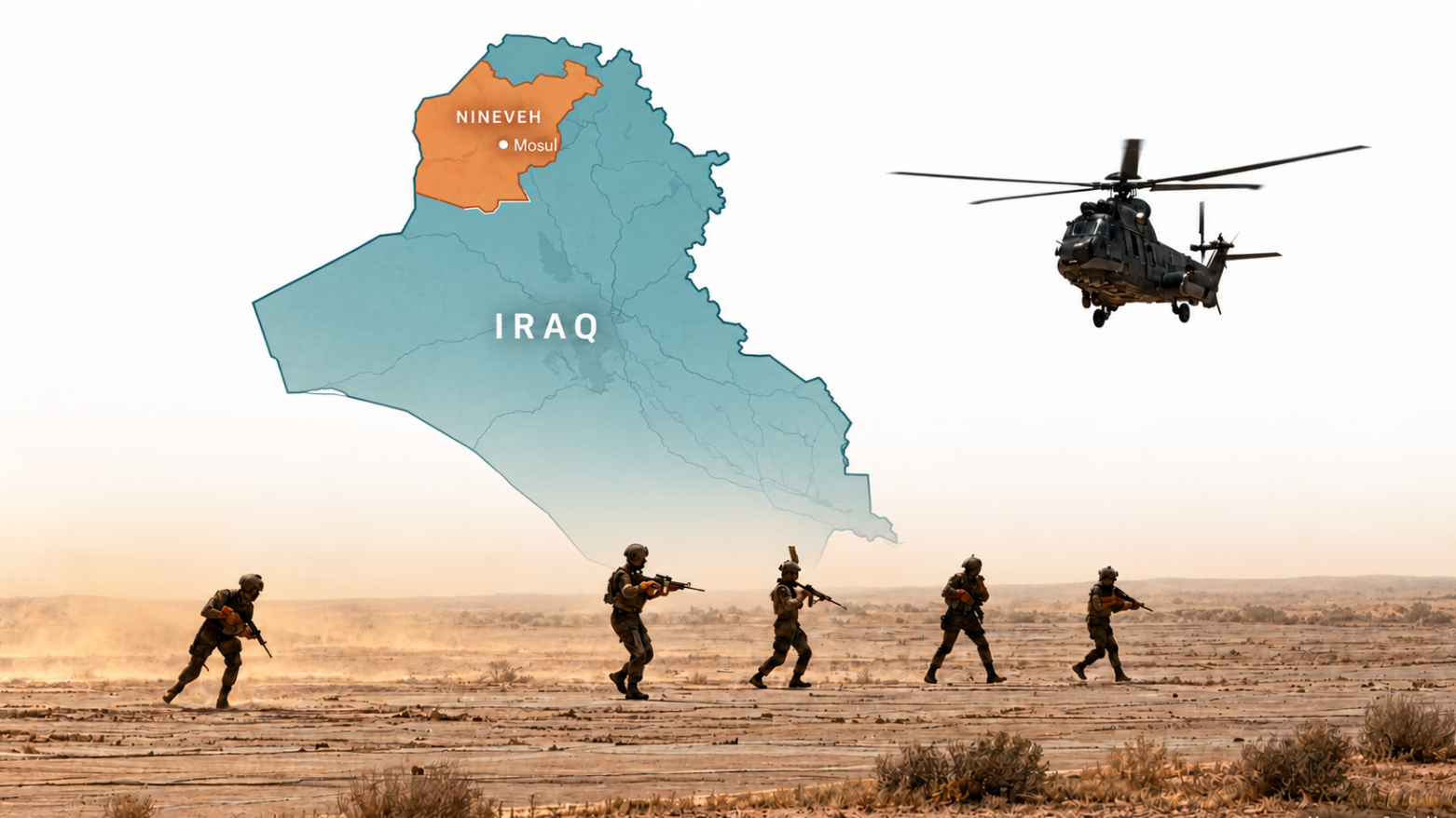
ERBIL (Kurdistan24) - Two Iraqi soldiers were killed and two others wounded on Sunday after an improvised explosive device left behind by ISIS militants detonated during a search and inspection operation in Nineveh province, Iraq's Ministry of Defense said.
The incident occurred north of the Rawa desert in southern Nineveh while army units were carrying out field operations, according to a statement issued through the Jazeera Operations Command and the 7th Infantry Division.
The ministry said the explosive device had been left behind by ISIS militants.
Two soldiers were killed in the blast, while two others sustained injuries and were immediately transferred to a hospital for treatment.
No further details were provided about the condition of the wounded soldiers or the precise circumstances in which the device was triggered.
The Defense Ministry said army forces would continue operations across their areas of responsibility and remain committed to pursuing the remaining elements and legacy threats associated with ISIS.
It said efforts would continue to eliminate sources of terrorism, destroy hideouts and clear affected areas until security and stability are fully established.
The statement did not indicate that ISIS militants were directly present at the site of Sunday's explosion, nor did it describe the incident as a newly planted bomb attack.
Rather, the ministry identified the device as an explosive left behind by the group, highlighting the continuing danger posed by unexploded devices and other remnants in areas where ISIS once operated.
The deaths come only days after Iraq formally entered a new security phase following the conclusion of the international Coalition's military mission on Sept. 30.
Iraqi Prime Minister Ali Faleh al-Zaidi has said that the end of the Coalition mission marks a transition in which Iraqi forces now carry full responsibility for protecting the country's territory and confronting security threats.
In a National Day address on Saturday, Al-Zaidi said Iraq now controls its decisions, territory and security structures, while stressing that all weapons should remain under state authority.

Read More: Al-Zaidi: Iraq Now Controls Its Decisions, Territory and Weapons
His government has also said security cooperation with former Coalition partners will continue in different forms, including intelligence sharing, training, expertise and technology.
Sunday's incident in Nineveh illustrates one of the practical security challenges confronting Iraqi forces in that new phase.
Although ISIS no longer controls territory in Iraq, military units continue to operate in areas where the group previously maintained a presence and where explosives, hideouts and other remnants can still pose a threat to troops and civilians.
The Rawa desert and surrounding areas form part of the terrain where Iraqi security forces continue search, inspection and clearance operations.
The Defense Ministry's statement emphasized that those missions would continue despite the casualties.
The timing also places the attack within the broader debate over Iraq's ability to manage its own security after more than a decade of international military support against ISIS.
Al-Zaidi has repeatedly said that the transfer of responsibility does not mean the threat of terrorism has disappeared, but rather that Iraqi state institutions are now expected to take the lead in confronting it.
His government has also placed control of weapons, protection of territory and prevention of attacks from Iraqi soil among the central priorities of the post-Coalition period.
For the Iraqi Army, that responsibility includes conventional security operations as well as dealing with the physical remnants of earlier fighting.
Devices left in remote terrain can remain dangerous long after militants have withdrawn, requiring continued patrols, clearance missions and searches in areas where ISIS once operated.
Sunday's casualties therefore came during precisely the kind of operation the Defense Ministry says will remain necessary.
The ministry said army personnel would continue their duties with high morale and determination and would pursue remaining ISIS threats until affected areas are cleared.
The deaths of the two soldiers underscore that the security challenge facing Iraq after the Coalition's withdrawal is not limited to active militant cells.
It also includes the dangerous legacy left behind in former conflict zones, explosives, abandoned positions and other hazards that continue to threaten forces tasked with securing them.
For Baghdad, the incident comes at a moment when the government is publicly emphasizing that Iraq now has the responsibility and capability to manage those threats under full state authority.