Kurdistan Mine Program 13 Years Ahead of Iraq's, Official Says
The Kurdistan Region has cleared 576 of 776 square kilometers of mine-contaminated land, but officials warn funding shortages could prevent full clearance by 2028.
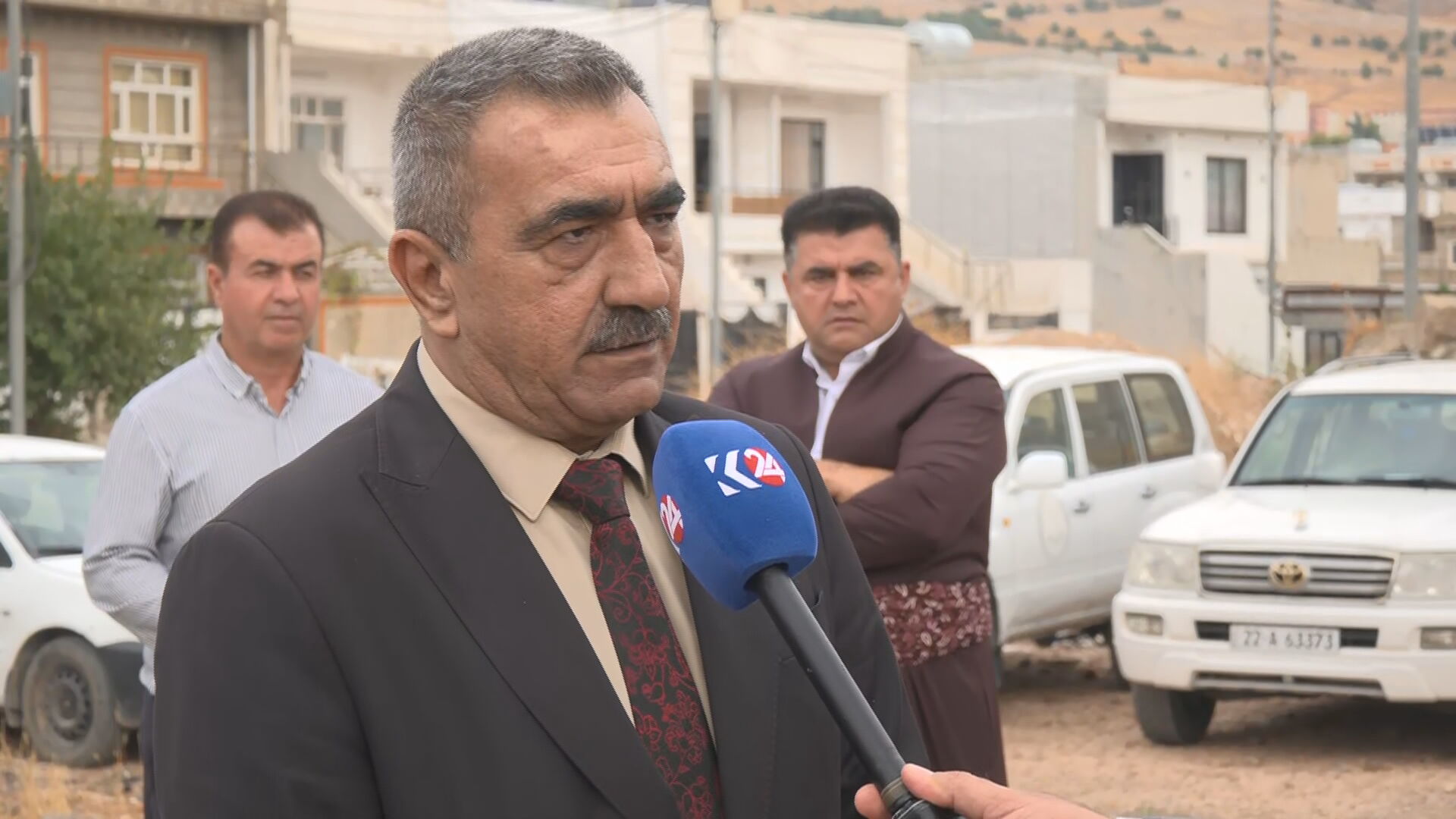
ERBIL (Kurdistan24) - The Kurdistan Region has cleared 576 square kilometers of land contaminated by mines and remnants of war, but around 200 square kilometers still require clearance, the head of the Kurdistan Region's Mine Action Agency said Tuesday.
Jabar Mustafa said mine-related risks remain serious around Koya and across other parts of the Region, particularly in mountainous areas where contamination continues to pose a danger.
Speaking on Oct. 6, Mustafa said teams from the Sulaimani and Erbil General Directorates of Mine Action had recently worked on a suspected hazardous area in Koya and cleared the site of mines.
Under the municipality's plans, the cleared land is expected to be used for a public park or another service project.
Mustafa said less than half of the previously contaminated area around Koya has been cleared so far, while the surrounding mountain ranges continue to contain significant mine hazards.
Across the Kurdistan Region as a whole, he said the total area contaminated by landmines and remnants of war had reached 776 square kilometers.
Of that, 576 square kilometers have been cleared, leaving approximately 200 square kilometers still requiring work.
Mustafa also criticized the level of support the Kurdistan Region receives from Baghdad, saying the Iraqi government does not provide assistance to the regional mine action program and does not transfer what he described as the Region's share of international support.
"The Kurdistan Region's mine program is 13 years ahead of Iraq's program," Mustafa said.
He said Iraq has a supervisory directorate affiliated with the Ministry of Environment and relies on private companies and organizations for mine-related work, while the Kurdistan Region operates its own program.
Mustafa said financial disputes with Baghdad have affected the sector despite the existence of a written agreement, which he said has not been implemented.
He also pointed to a broader decline in international assistance.
According to Mustafa, much of the international funding available for mine action worldwide has been redirected toward active conflict zones, including Ukraine and Gaza.
He said existing arrangements envisage 40% of support coming from international sources and 60% from the Iraqi government, but maintained that the Kurdistan Region is currently receiving neither share.
The funding problem has raised doubts over whether the Region can meet the latest mine-clearance deadline.
Iraq and the Kurdistan Region are covered by the international Ottawa Convention, under which mine clearance was originally supposed to be completed by 2018.
That deadline was later extended to 2028 because of political developments, armed conflict and wars affecting the region.
Mustafa said he does not expect complete clearance to be achieved even by 2028 under current conditions.
He attributed that assessment to the lack of financial support from Baghdad and the decline in international assistance available for mine action.
The remaining contaminated areas are therefore likely to continue posing risks to residents, particularly in mountainous and previously conflict-affected zones.
At the same time, the recent clearance operation in Koya shows how recovered land can be returned to civilian use once mine threats are removed.
For the Mine Action Agency, however, the broader challenge remains securing enough financial and institutional support to clear the remaining 200 square kilometers across the Kurdistan Region.