Iraqi Parliament Collects Signatures to Summon Central Bank Governor, Finance Minister
Move comes after new dollar exchange rate triggers market disruption and concern among citizens
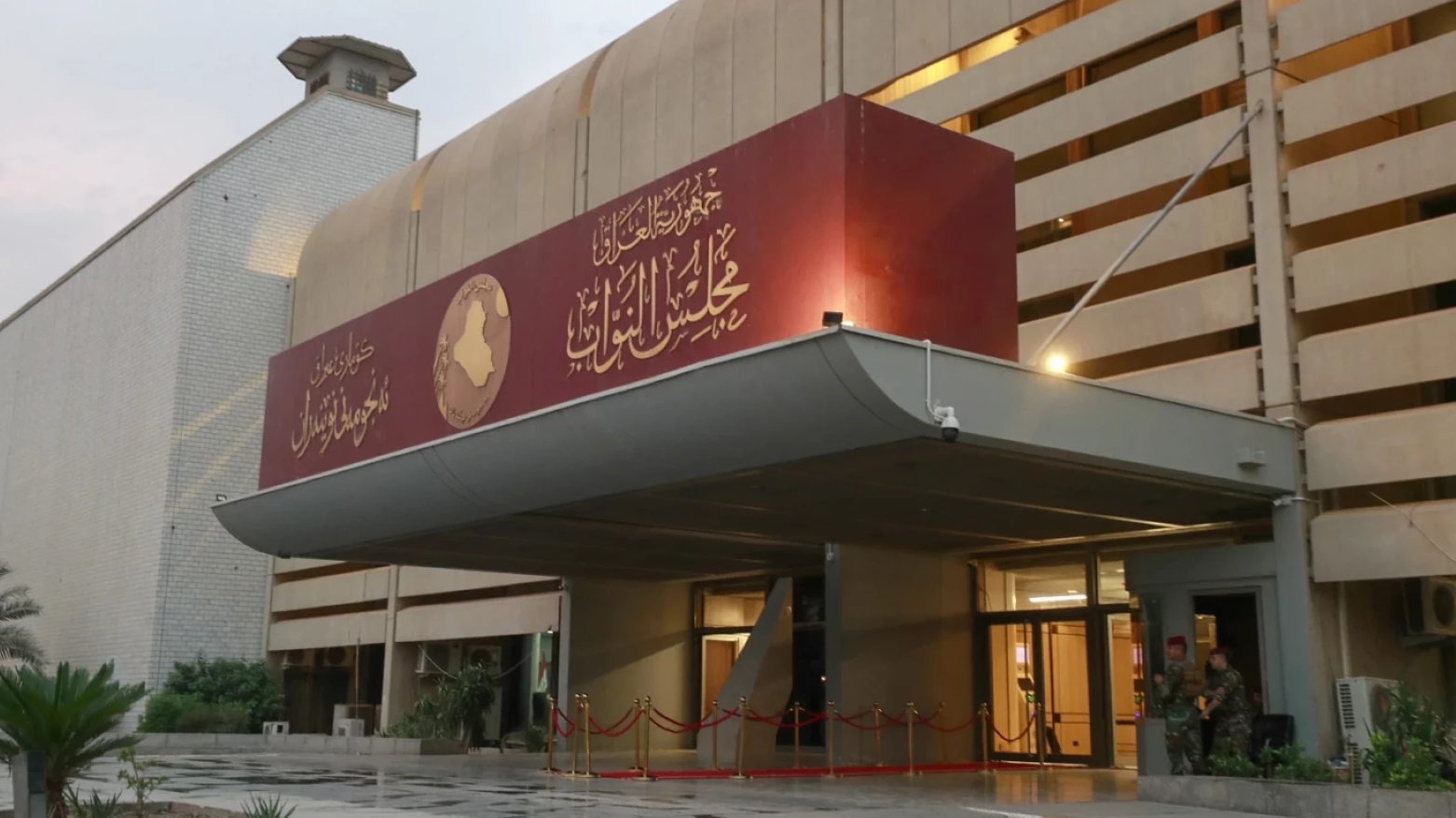
ERBIL (Kurdistan24) — Signatures are being collected in the Iraqi Parliament to summon the Governor of the Central Bank of Iraq and the Minister of Finance, according to information obtained by Kurdistan24’s correspondent in Baghdad, as lawmakers move amid concerns over the country’s newly introduced dollar exchange rate.
The parliamentary move comes on Wednesday, after the Central Bank of Iraq set the dollar’s selling price at 1,520 Iraqi dinars for end beneficiaries through banks and non-bank financial institutions.
The new rate has contributed to disruption in currency markets and raised concerns among citizens over the potential impact on prices and purchasing power.
Under the decision approved by the Iraqi Council of Ministers, the new exchange-rate structure sets the dollar’s purchase price by the Ministry of Finance at 1,500 dinars, while the selling price to banks is set at 1,510 dinars. Banks and non-bank financial institutions will sell the dollar to end beneficiaries at 1,520 dinars.
Hamed Naim Ghazi, Secretary-General of the Council of Ministers, said the decision would take effect on Oct. 7, 2026.
The move to summon the Central Bank governor and Finance Minister comes as attention focuses on the government’s new exchange-rate policy and its potential economic consequences.
For businesses across Iraq and the Kurdistan Region, the immediate concern is how the new rate will affect the cost of imports and production.
Importers purchasing goods from Türkiye, China, Iran, the Gulf and other markets may need more dinars to pay the same dollar-denominated invoices, while local manufacturers that rely on imported machinery, raw materials, spare parts and other inputs could also face higher production costs.
These pressures can move through the supply chain, potentially raising wholesale and retail prices for a wide range of goods.
The impact could ultimately be felt most directly by households, particularly those whose incomes are fixed in Iraqi dinars.
Higher prices for imported and import-dependent goods could reduce purchasing power, while businesses may face greater uncertainty over replacement costs if the parallel-market rate remains above the official rate.
The gap between the official and parallel exchange rates will therefore be a key factor in determining the policy’s broader impact. If the market rate moves closer to the official rate and access to foreign currency through formal channels improves, price pressures could be contained.
If the gap persists, however, businesses may continue calculating their costs according to the higher market rate, potentially putting further pressure on prices and household purchasing power.
The parliamentary effort to summon the Central Bank governor and Finance Minister adds a new layer of scrutiny as authorities face the challenge of managing the exchange-rate transition while limiting its potential impact on businesses, consumers and the wider Iraqi economy.