Kurdish Music Legends to Return Through Hologram Concert
A Kurdish hologram concert planned for Nov. 17 in Duisburg will feature legendary artists alongside Zozan C, an artificially generated AI singer.
ERBIL (Kurdistan24) - Kurdish music is preparing to enter unfamiliar territory this November, when hologram technology will be used to bring some of its best-known voices and figures onto a concert stage in Germany.
Kurdistan24's news anchor Cemal Batun reported on Friday that a concert scheduled for Nov. 17 in Duisburg will feature hologram representations of Mihemed Şêxo, Erdewan Zaxoyî, Zozan, Cengîz Yazgî and Kerîm Şêxo.
The event is being presented as the first Kurdish concert of its kind to use hologram technology.
Through the system, audiences will be able to see artists such as Mihemed Şêxo and Erdewan Zaxoyî represented on stage in a format designed to create the impression of a live performance.
Preparations are continuing with an emphasis on the technological side of the production, according to Batun.
The project brings together two different strands of Kurdish cultural life: the preservation of well-known musical figures from the past and the use of new digital tools to introduce their work to contemporary audiences.
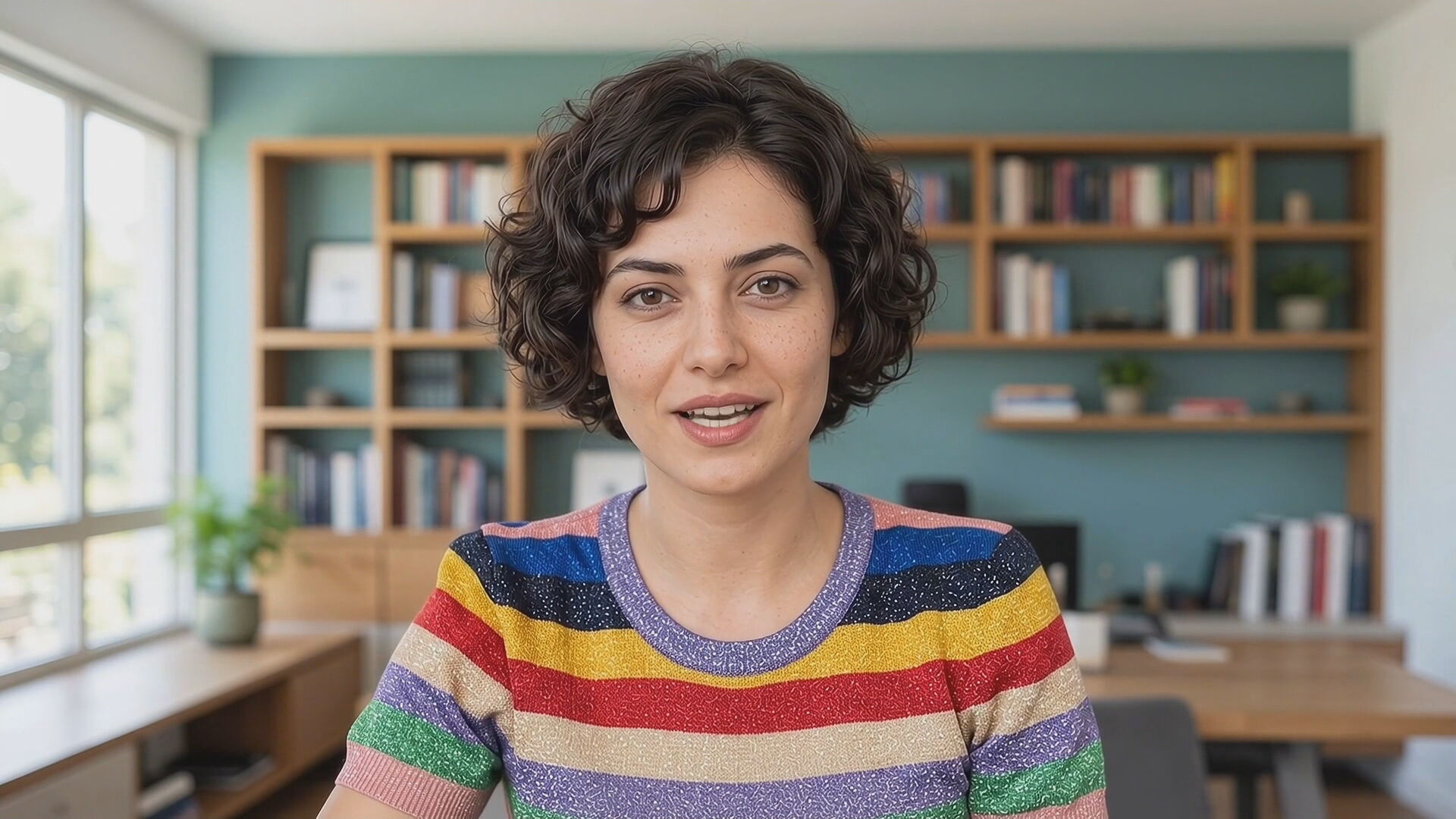
Among the performers connected to the event is Zozan C, an artificially generated singer created through artificial intelligence.
Zozan C has already reached large audiences through AI-generated musical work and has been used to present classical Kurdish poetry in song.
One of the projects associated with the artificial singer is "Dîwana Nemiran", "Divan of the Immortals", which adapts poems by prominent Kurdish poets into musical performances.
Kurdistan24 aired a short excerpt from one of those works during Batun's report, illustrating how artificial intelligence is being used to combine older Kurdish literary texts with newly generated music and vocals.
Zozan C also sent a recorded message to Kurdistan24 about the planned concert.
"Our concert is the first Kurdish hologram concert," Zozan C said in the message addressed to Batun.
The artificially generated singer said Germany had provided the opportunity to stage the event and expressed hope that a future edition could also be held in the Kurdistan Region.
"We had the opportunity to hold this concert in Germany, but I hope that we can hold our next concert in Southern Kurdistan as well," the message said.
Batun responded by wishing the project success and saying audiences in the Kurdistan Region would also be waiting for such a performance.
The Duisburg concert is notable not only for the technology involved, but also for what it attempts to do culturally.
For audiences familiar with the music of artists such as Mihemed Şêxo and Erdewan Zaxoyî, the hologram format offers a new way to encounter figures whose work continues to hold a place in Kurdish musical memory.
At the same time, the inclusion of Zozan C introduces a different kind of performer altogether, one that does not exist as a conventional human singer, but has been created through artificial intelligence.
That combination of remembered artists, holographic performance and AI-generated music places the November concert at the intersection of heritage and technology.
If the Duisburg event unfolds as planned, Kurdish audiences will see familiar musical names presented through a format that would have been difficult to imagine when many of their most celebrated songs were first performed.