Bessent Says Iran Is ‘Biggest Loser’ as US Economic Pressure Intensifies
The US Treasury secretary said Iran’s oil revenues and currency were under severe pressure, predicting that continued sanctions and a blockade could push the country toward economic collapse within months
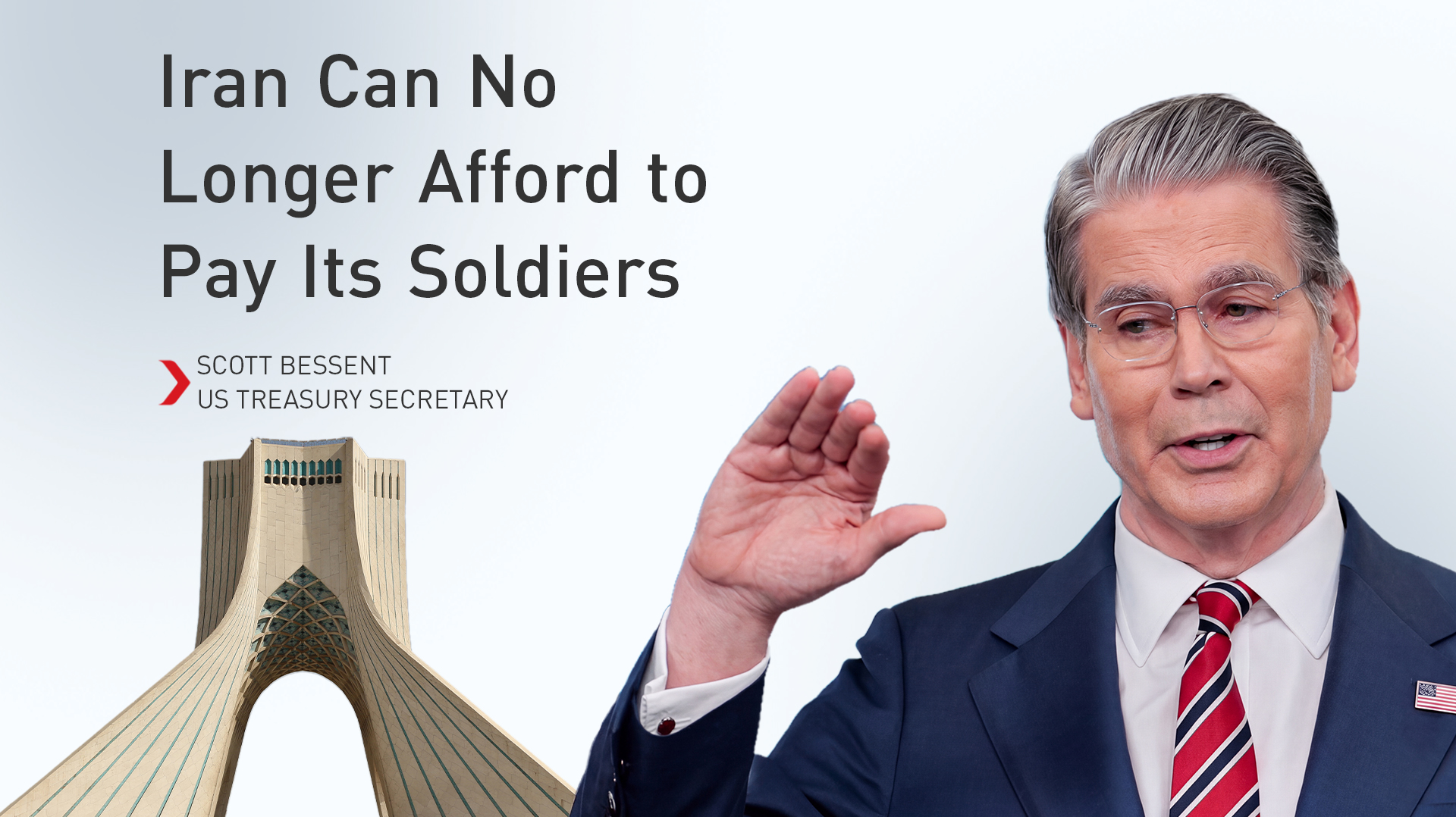
ERBIL (Kurdistan24) — U.S. Treasury Secretary Scott Bessent said on Sunday that Iran was the “biggest loser” in the ongoing confrontation in the Gulf, arguing that Tehran had failed to use the Strait of Hormuz to pressure Washington or drive up global fuel prices, as the United States intensifies its economic campaign against the country.
Speaking on Fox News, Bessent said Iran had attempted to turn the strategic waterway into leverage but had failed to achieve its objectives, including efforts to raise global diesel prices.
“Let’s be absolutely clear: the biggest loser in this confrontation is Iran,” Bessent said, according to the interview remarks provided.
He argued that continued economic pressure and restrictions on Iranian oil exports were placing increasing strain on Tehran’s finances, claiming that the government was struggling to meet its financial obligations, including paying its military personnel.
Bessent predicted that maintaining the blockade for another two to four months could bring Iran to a breaking point.
He said the outcome remained uncertain, suggesting that a sudden collapse could result from public unrest, divisions within the Islamic Revolutionary Guard Corps (IRGC), or Tehran eventually agreeing to negotiations and abandoning its nuclear program.
The Treasury secretary also said he did not expect a major new military move or a political agreement with Iran before the U.S. congressional midterm elections in November, reiterating President Donald Trump’s position on the timing of potential developments.
Economic pressure and currency depreciation
Bessent claimed that Iranian oil exports had effectively fallen to zero and that revenues from oil sales had turned negative. He also said restrictions on international air travel had further isolated Iran’s leadership from the outside world.
In a separate interview with Newsmax published on October 9, Bessent said Washington was working with Türkiye and Pakistan to cut off Iran’s overland trade routes, extending its economic pressure beyond maritime restrictions.
He described the broader strategy as an “absolute isolation campaign,” replacing the previous “maximum pressure” approach.
“We did have a maximum pressure campaign. Now we have an absolute isolation campaign, and it’s working,” Bessent said during the interview with Greta Van Susteren at Newsmax’s NPolicy Summit in Washington.
He also announced that Washington would probably seize approximately $1 billion in cryptocurrency linked to Iran during the week, saying U.S. authorities knew where the assets were held.
The remarks indicated a further expansion of the administration’s efforts to restrict Tehran’s access to international financial networks.
Bessent further pointed to Iran’s currency depreciation as evidence of mounting economic difficulties, citing a decline in the rial’s value from approximately 600,000 per U.S. dollar 18 months ago to around 2.8 million rials per dollar.
He attributed the pressure to the country’s financial isolation and alleged that Iranian authorities were increasingly struggling to finance government obligations.
Dispute over Russian oil sanctions
In the same interview, Bessent defended the Trump administration’s decision to ease certain restrictions on Russian diesel supplies in an effort to reduce fuel prices, dismissing European criticism as hypocritical.
He argued that European countries had continued purchasing Russian oil and gas while criticizing Washington’s efforts to lower fuel costs for American consumers.
Bessent said European countries had paid Moscow substantial sums since the start of the war in Ukraine, arguing that their criticism of the U.S. decision was inconsistent with their own energy policies.
The remarks come amid continued tensions between Washington and Tehran following the U.S.-Israeli war against Iran, which began on February 28, according to the supplied background.
Tehran has said the conflict killed more than 3,000 people in Iran. Iran retaliated with attacks that killed Americans and Israelis before a ceasefire was reached in April.
The United States subsequently carried out additional strikes on Iranian sites as negotiations stalled, despite the signing of a framework agreement in June.
Talks have remained deadlocked over disagreements concerning navigation through the strategic Strait of Hormuz, a critical route for global energy shipments.