Türkiye Ready to Support Tourism Development in Kurdistan Region, Consul General Says
He emphasized that longstanding family connections and shared social bonds have helped strengthen relations between the Kurdistan Region and Türkiye, with frequent travel and exchanges between communities on both sides of the border.
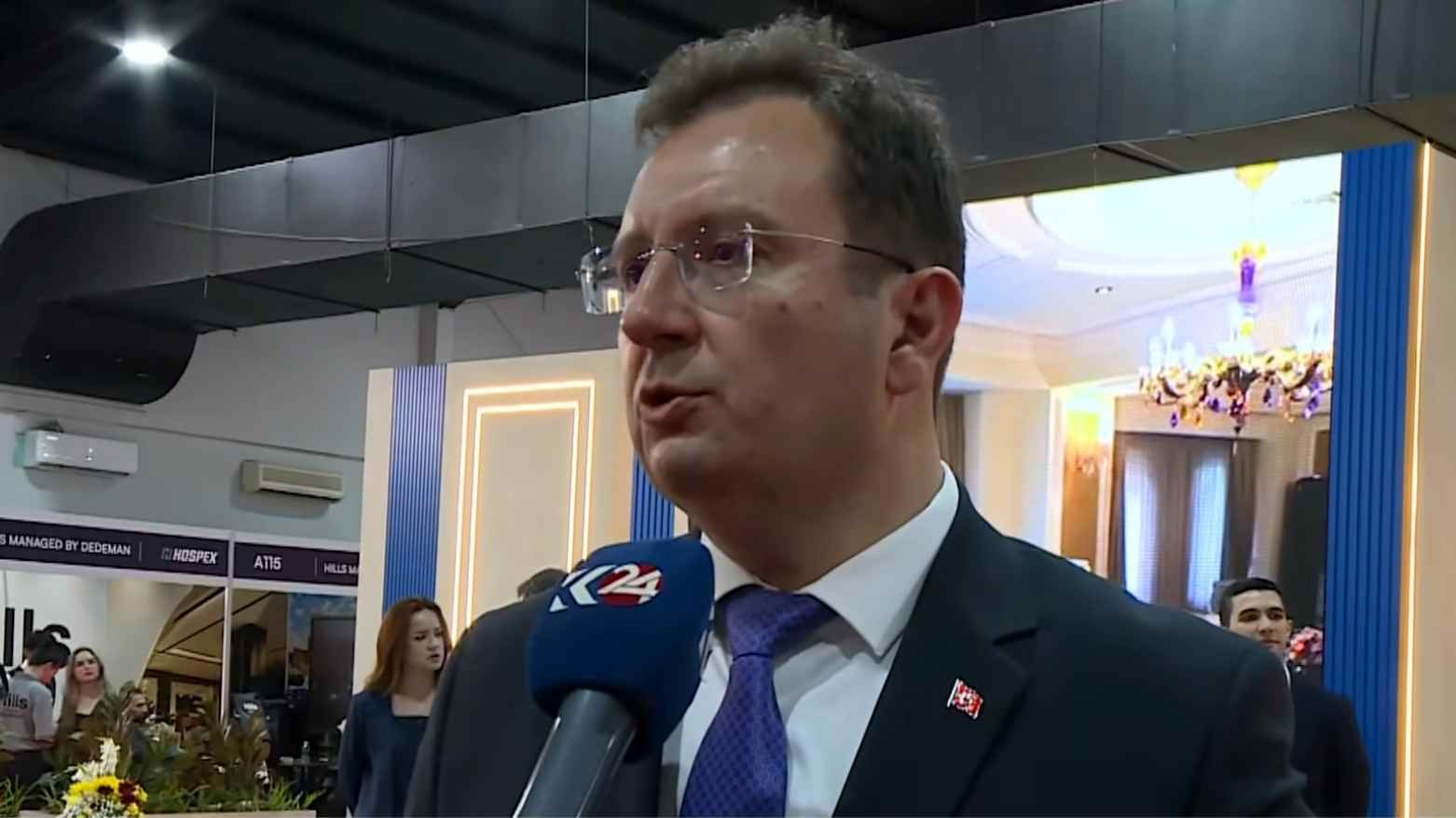
ERBIL (Kurdistan24) – Türkiye is ready to support the development of the Kurdistan Region’s tourism sector through its companies and official institutions, Turkish Consul General Erman Topçu said on Wednesday, highlighting the strong family, social, and economic ties between Türkiye and the Region.
In an interview with Kurdistan24, Topçu said Erbil attracts the largest number of tourists, particularly visitors from Gulf countries.
He emphasized that longstanding family connections and shared social bonds have helped strengthen relations between the Kurdistan Region and Türkiye, with frequent travel and exchanges between communities on both sides of the border.
“Of course, we have family ties with the people here. Ultimately, we are the same people. Whether they are Turkmen or Kurds, people here have relatives living in Türkiye,” Topçu said.
He added that these close connections have contributed to strong economic and human ties, providing a foundation for further cooperation in areas such as tourism and business.
The Turkish consul general also reaffirmed Ankara’s readiness to assist the Kurdistan Region in developing its tourism sector, saying Turkish companies and official institutions are prepared to support efforts to strengthen the sector’s institutional capacity.
His remarks come as tourism remains an important area of potential economic growth for the Kurdistan Region, which offers a range of attractions, including historical sites, mountainous landscapes, cultural heritage, and urban destinations. Erbil, home to the historic Erbil Citadel, serves as a major destination for visitors, including tourists from neighboring countries and the Gulf.
Beyond tourism, Topçu pointed to the effects of regional developments, particularly those involving Iran, on the broader economic situation. He underscored the importance of resolving outstanding issues between the Kurdistan Regional Government (KRG) and Iraq’s federal government in Baghdad, stressing the need for an agreement at the current stage.
Relations between Erbil and Baghdad, particularly disputes over budget allocations, public-sector salaries, and financial entitlements, have remained significant issues affecting the Kurdistan Region’s economic stability. An agreement between the two sides could help provide greater financial certainty and support economic activity across the Region.
Topçu’s comments highlight the interconnected nature of tourism, regional stability, and economic cooperation, as the Kurdistan Region seeks to expand its tourism sector and strengthen its ties with neighboring Türkiye.