Iraq Became Victim of Regional Conflict, Fuad Hussein Says
Iraqi Foreign Minister Fuad Hussein says regional war and the halt in oil exports have cost Iraq nearly $60 billion, while Baghdad-U.S. ties shift toward economic cooperation.
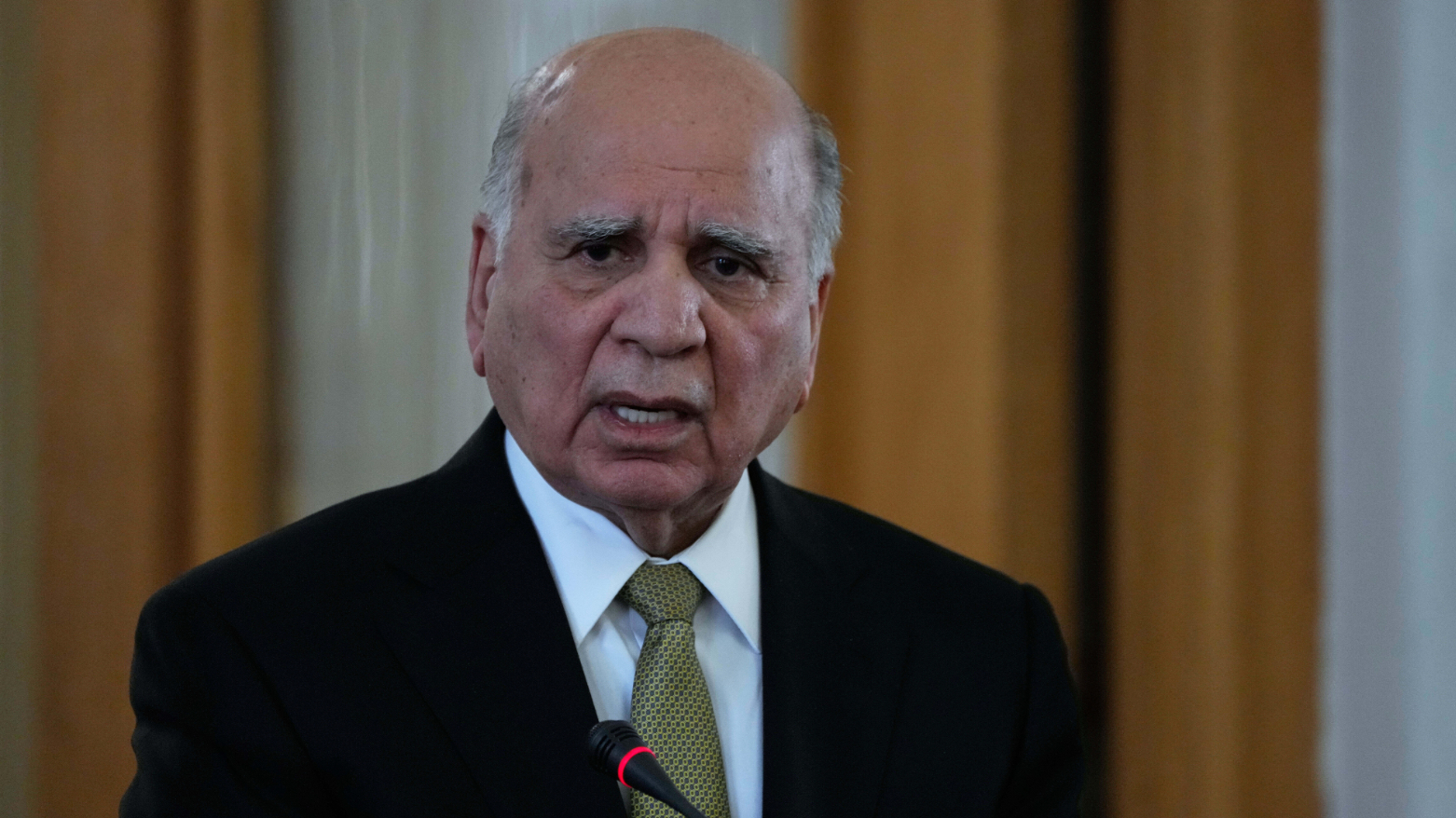
ERBIL (Kurdistan24) - Iraq has become a victim of the escalating regional war despite seeking to remain outside the conflict, Foreign Minister Fuad Hussein told Kurdistan24 on Friday, saying the suspension of oil exports has cost the country nearly $60 billion.
Speaking in an exclusive interview on Oct. 16, Hussein said Baghdad had made clear from the beginning that it did not want to become a party to the regional confrontation.
"From the outset, Iraq made it clear that it would in no way become part of this war," Hussein said.
He added that as the conflict expanded, Iraq itself came under attack and suffered casualties.
"Therefore, I can say that Iraq has become a victim of the conflict between the parties involved in the war," he said.
Hussein said the economic consequences have been particularly severe because of the closure of the Strait of Hormuz and the resulting halt in Iraqi oil exports.
Iraq depends heavily on oil revenues to finance the state, making any prolonged interruption to exports a major fiscal challenge.
"During this period, Iraq has suffered losses of nearly $60 billion because of this situation," Hussein said.
The foreign minister also addressed Baghdad's relationship with Washington following the withdrawal of international coalition forces.
He stressed that Iraq-U.S. ties are based on a strategic agreement and are not limited to the military presence that has now ended.
According to Hussein, the relationship is entering a new phase in which economic cooperation is expected to receive greater emphasis than military engagement.
He said the departure of coalition forces therefore does not mean an end to the broader partnership between Iraq and the United States.
Hussein also discussed Iraq's relations with the Vatican.
He said his meetings with Vatican officials included detailed discussions on the circumstances and living conditions of Christians in Iraq.
The foreign minister described Christians as an ancient and indigenous component of Iraqi society and said protecting their rights and place in the country remains a fundamental responsibility.
His remarks brought together three of Baghdad's current priorities: limiting Iraq's exposure to regional conflicts, managing the economic consequences of disrupted oil exports, and redefining international partnerships after the end of the coalition mission.
For Hussein, Iraq's challenge is to preserve its stability while navigating a regional conflict that has already imposed significant human and financial costs on the country.