Iraq Prioritizes Completing Air Defense Capabilities, Ministry Says
Iraqi Defense ministry Spokesman says technical committees are assessing options before any decision on completing capabilities or signing an arms contract.
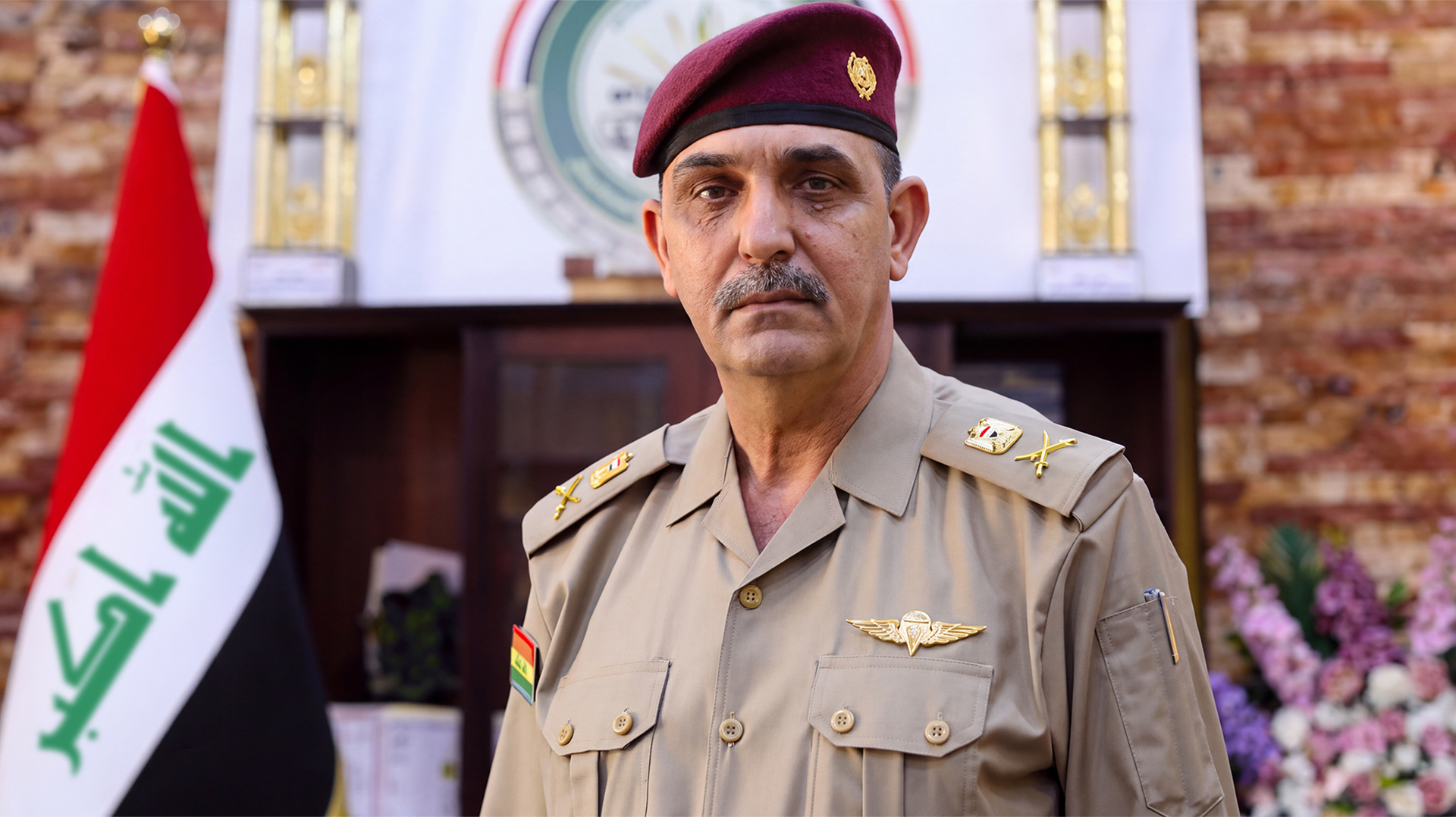
ERBIL (Kurdistan24) - Iraq’s Ministry of Defense said on Friday that completing its air defense capabilities is among its priorities in plans to arm and develop the country’s military, in line with the directives of the Iraqi Prime Minister Ali Falih al-Zaidi.
“Arming and building capabilities is one of the priorities across all forces,” ministry spokesman Yahya Rasool told the Iraqi News Agency (INA).
Rasool said the ministry has drawn up a plan to complete the build-up of air defense capabilities, the air force, army aviation, all other forces, and the intelligence field.
To carry out the plans, the ministry formed a special technical committee. “The committees have visited several advanced countries to learn about their capabilities and experiences in the field of arming, and they are also conducting the necessary assessments to determine suitable options for the needs of Iraq’s armed forces,” Rasool said.
He stressed that completing the build-up of air defense capabilities is the issue the Iraqi PM has emphasized. The ministry, he added, continues to examine the available options and to select suitable weapons to strengthen those capabilities.
On the next steps, Rasool said the technical committees will keep evaluating capabilities and weapons in preparation for a decision on either completing the build-up of capabilities or signing a contract to purchase an arming system.
The ministry will officially announce the details of any contracts, arms imports, or their arrival in Iraq once the necessary procedures are completed, he said.
Rasool also said Defense Minister Nayef Al-Shammari, who has won the confidence of the Iraqi parliament, “is now at the top of the ministry’s leadership. As a military officer, he is working to complete the build-up of military capabilities and to develop the capabilities of the defense establishment.”
Coalition withdrawal and air defense plans
Two weeks earlier, on Friday, Oct. 2, Tahsin al-Khafaji, deputy head of Iraq’s Security Media Cell, said Iraq is preparing to strengthen its air defense capabilities following the withdrawal of Coalition forces. He said Baghdad is expected to sign contracts with several major powers in the near future to acquire advanced air defense systems.
Khafaji said Iraq’s armed forces, including the army, internal security forces, intelligence and national security agencies, Popular Mobilization Forces, and Peshmerga, are fully prepared to protect the country’s territorial sovereignty and airspace after the Coalition’s departure.
He stressed that no Coalition soldiers remain on Iraqi territory, saying the final Coalition soldier withdrew on Sept. 30. With the withdrawal completed, he said, Iraq’s security is now fully the responsibility of its domestic forces, while Baghdad’s relationship with the Coalition has entered a new phase of bilateral relations focused on training and armament.
Khafaji also addressed reports circulating on social media claiming that an F-16 fighter jet had crashed over Baghdad. He described the reports as false and baseless, saying the Ministry of Defense had officially rejected the claims. According to him, all F-16 jets that took part in a military display over Baghdad completed their flights safely and returned to their bases.
On efforts to fill the air defense gap after the Coalition withdrawal, Khafaji said the commander-in-chief is insisting on acquiring the most modern air defense systems. The necessary budget would be allocated for the purchases, he said, and Iraq would sign contracts with several major powers in the near future. Iraqi forces would also receive training on how to operate the systems.
The planned measures are intended to prevent any infiltration or security gaps in Iraqi airspace, Khafaji added.