USKBC Brings New American Companies to Zakho
USKBC President David Tafuri says new U.S. companies are visiting Zakho as the council seeks to expand American investment across the Kurdistan Region.
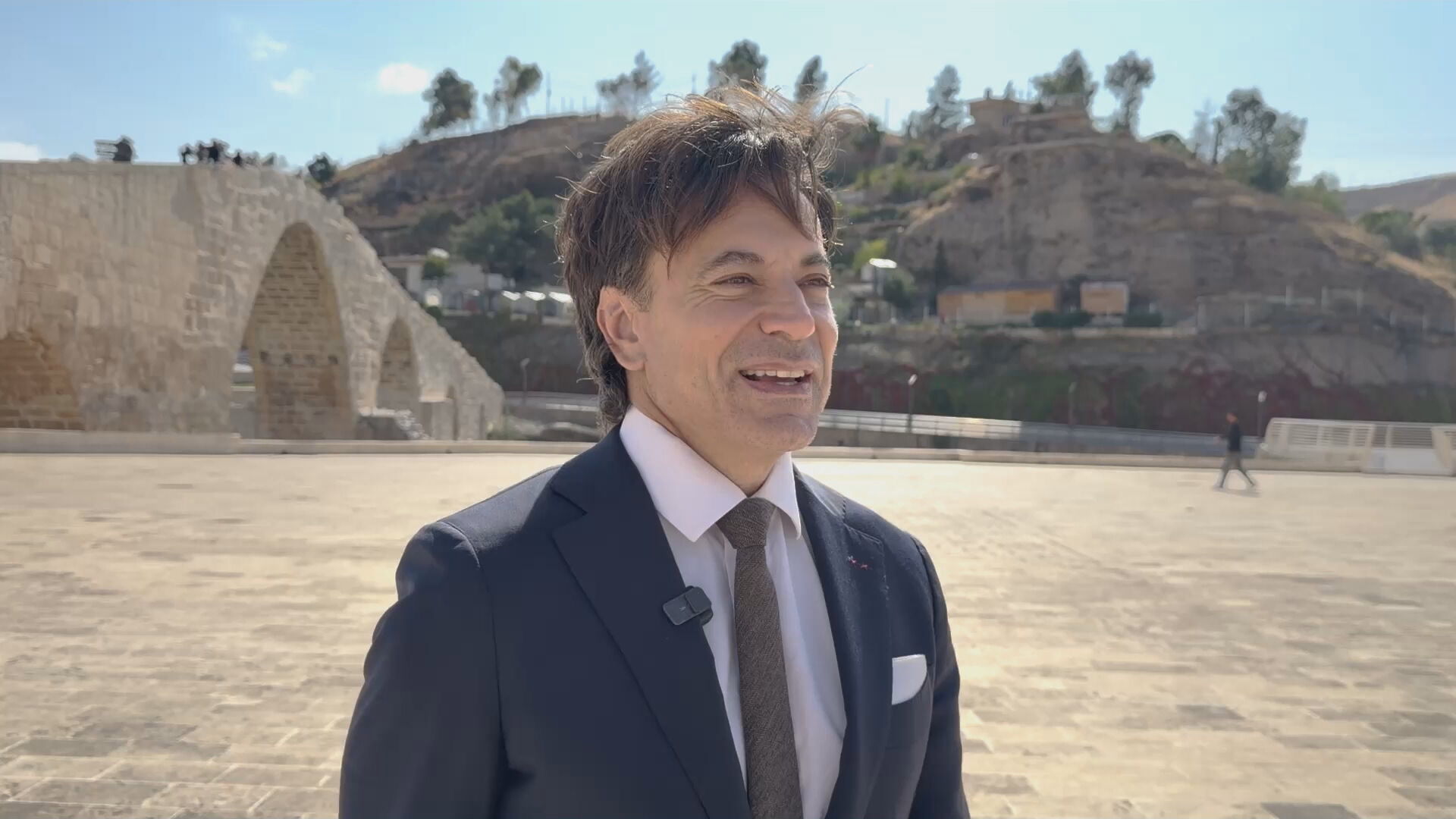
ERBIL (Kurdistan24) - New American companies are exploring investment opportunities in Zakho and the wider Kurdistan Region as the U.S.-Kurdistan Business Council works to expand commercial ties and support billions of dollars in existing U.S. investment, its president David Tafuri said on Saturday.
Speaking to Kurdistan24 during a visit by a U.S. business delegation to the Kurdistan Region and the Zakho Independent Administration, Tafuri said the council organizes a major delegation of American companies every year.
The U.S.-Kurdistan Business Council, he explained, is a non-profit organization representing American companies that have already invested in the Kurdistan Region or are considering entering the market.
"We do a business delegation every year," Tafuri said, noting that Erbil remains a regular destination because it is the capital of the Kurdistan Region.
During this year's visit, the delegation met senior Kurdistan Regional Government officials, including Prime Minister Masrour Barzani and Deputy Prime Minister Qubad Talabani.
Tafuri said the delegation was also pleased to travel to Zakho, which the council has visited annually for the past three years.
He said the pace of development in the city had been particularly noticeable, especially along the riverfront.
Tafuri also praised the plans of Zakho Independent Administration Supervisor Guhdar Shekho and the work carried out by his team.
"He's a real visionary," Tafuri said, adding that the people working around him had "done amazing things for the city."
He described the council as a strong supporter of Zakho and said the city occupies an important economic position within the Kurdistan Region.
"We recognize it as a very important trading center for the Kurdistan Region," Tafuri said.
He pointed to Zakho's ability to attract manufacturing activity, generate employment and draw visitors, presenting trade, industry and tourism as three areas supporting the city's growth.
The visit also forms part of the council's broader effort to maintain and expand American investment across the Kurdistan Region.
Tafuri said a number of U.S. companies had already invested billions of dollars in the Region.
The council, he said, works continuously to help those companies ensure that their investments remain successful while also encouraging new businesses to consider the Kurdistan Region.
The aim is to allow potential investors to see firsthand the opportunities available for establishing businesses, generating returns and contributing to the local economy.
Tafuri said some companies participating in the current delegation had never previously visited Iraq.
Others were visiting Zakho for the first time.
For those companies, the delegation offered an opportunity to see the city's historic sites, infrastructure and recent development directly rather than assessing opportunities from abroad.
Tafuri said Zakho's appeal also comes from the way new development has been combined with the preservation of historic buildings and sites.
He pointed to the city's bridge, its history and newer development projects as examples of that balance.
"In my opinion, that is what makes it such a draw for tourists," Tafuri said.
The council's annual delegations therefore serve two purposes, according to Tafuri: supporting American companies that already have investments in the Kurdistan Region and introducing potential new investors to places such as Erbil and Zakho.
His remarks presented Zakho as a growing commercial and tourism center whose recent development is attracting increased attention from American businesses examining opportunities in the Kurdistan Region.