KRG Plans 16 Industrial Zones as Investment Creates 161,000 Jobs
KRG Investment Board Chairman Mohammed Shukri says 16 industrial zones are planned as investment projects create jobs and support local agriculture.
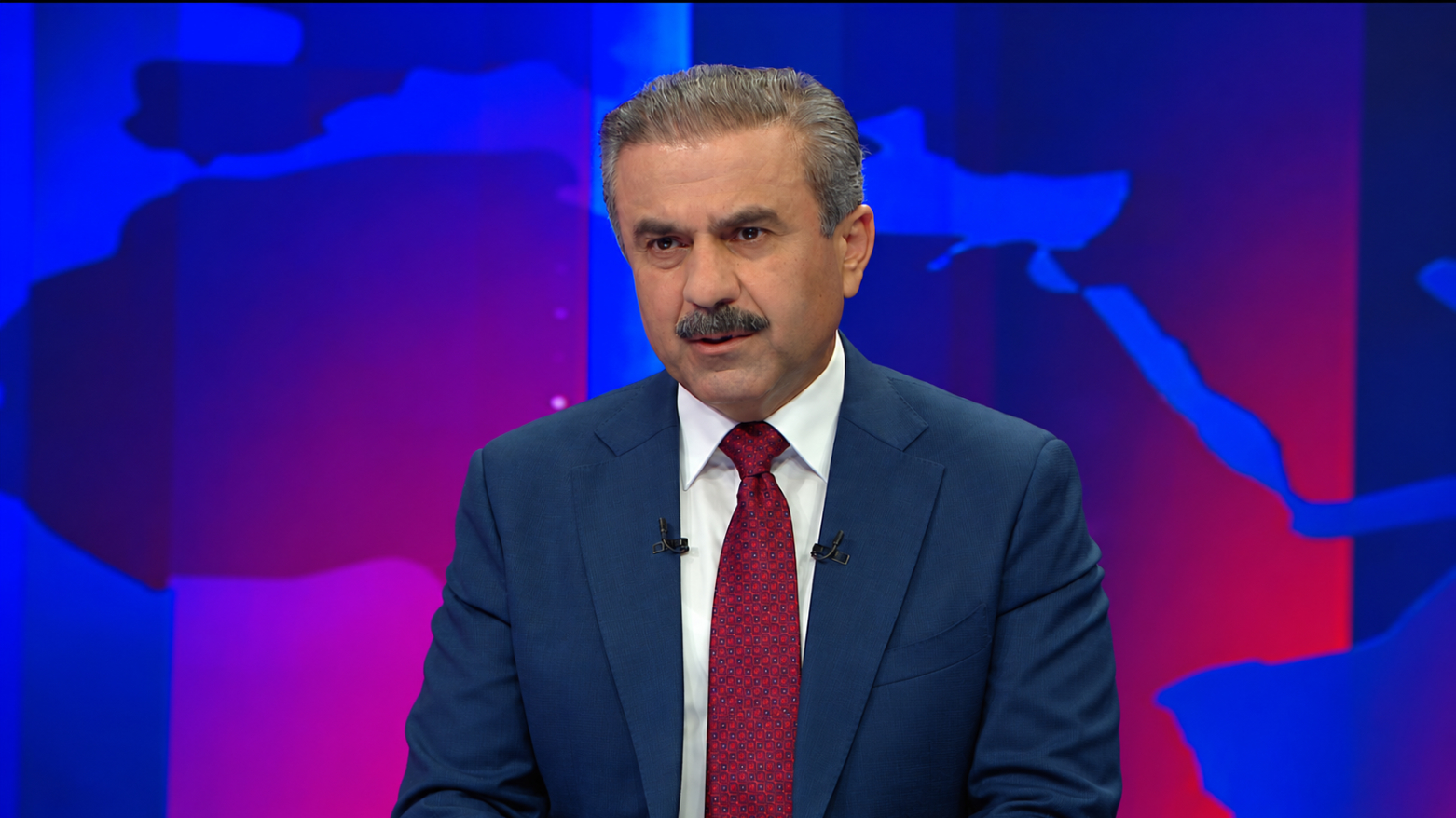
ERBIL (Kurdistan24) - The Kurdistan Regional Government is working to establish 16 industrial zones across the Kurdistan Region as part of a wider investment strategy that has created more than 161,000 jobs and increased demand for locally produced agricultural goods, Investment Board Chairman Dr. Mohammed Shukri said.
Speaking on Kurdistan24's Basi Roj segment with Zhino Mohammed on Saturday, Shukri said the Ninth Cabinet's industrial policy focuses on preventing domestic raw materials from going to waste by turning them into manufactured products inside the Region.
He said the planned 16 industrial zones are intended to create greater economic balance among the governorates and administrations.
The projects include major cement factories in Zakho and Erbil, the expansion of glass factories in Garmian and Sulaimani, and food-industry zones planned for Duhok, Halabja, Raparin, Soran, Akre and Bardarash.
Shukri also emphasized employment opportunities for young people, saying regulations require at least 75% of the workforce in every investment project to be made up of local citizens.
He pointed to a smartphone factory in Erbil as an example, saying 97% of its workforce consists of young people from the Kurdistan Region.
According to Shukri, investment projects have generated more than 161,000 new job opportunities despite the economic and political crises that have affected the Region.
He said investment activity has continued and added that five major exhibitions were organized over the past two months, attracting more than 800 foreign companies.
Agriculture has also become part of the investment strategy.
Shukri said factories purchased more than 250,000 tons of wheat from farmers this year, linking industrial development with local agricultural production.
The Investment Board chairman also addressed the pressure created by the rising U.S. dollar exchange rate, particularly for citizens paying rents and housing installments.
Shukri said the board plans to submit a proposal to the Presidency of the Council of Ministers calling for financial transactions, rents and installment payments to be officially conducted in Iraqi dinars rather than U.S. dollars.
"We believe the Kurdistan Regional Government should issue a decision applying across the entire Region — not only to investment projects, but across all sectors," he said.
Under the proposal, transactions between citizens and business owners would be conducted in dinars.
Shukri said the objective is to reduce the burden on citizens whose salaries are paid in Iraqi dinars when the value of the dollar rises, while ensuring that investors also share the consequences of exchange-rate fluctuations.
He said the Investment Board will formally send the proposal to the Council of Ministers for consideration.
Shukri also discussed safety requirements in housing developments, following concerns over fire-protection and other safety systems.
He said that, on the instructions of Prime Minister Masrour Barzani, a high-level ministerial committee has been established to carry out field inspections at Mamostayan City and other projects.
According to Shukri, most deficiencies involving fire-protection and safety systems have now been addressed.
He warned that strict measures would be taken against companies found negligent in protecting residents' lives.
Across the interview, Shukri presented industrial development, employment, agriculture and housing regulation as interconnected parts of the Kurdistan Region's investment policy, with the government seeking to expand production while increasing local participation in both the workforce and supply chain.