KRG Launches Talks on Civilian Protection Policy in Erbil
KRG’s international recommendations coordinator says dialogues have begun in Erbil on a policy to protect civilians in conflict, peacetime and disasters.
ERBIL (Kurdistan24) - Preliminary dialogues have begun in Erbil to prepare the “Kurdistan Regional Government Policy for the Protection of Civilians During Armed Conflicts and in Times of Peace and Natural Disasters.” The Office of the Coordinator of International Advocacy organized the talks in cooperation with the Amal Iraqi Association and the Dutch organization PAX.
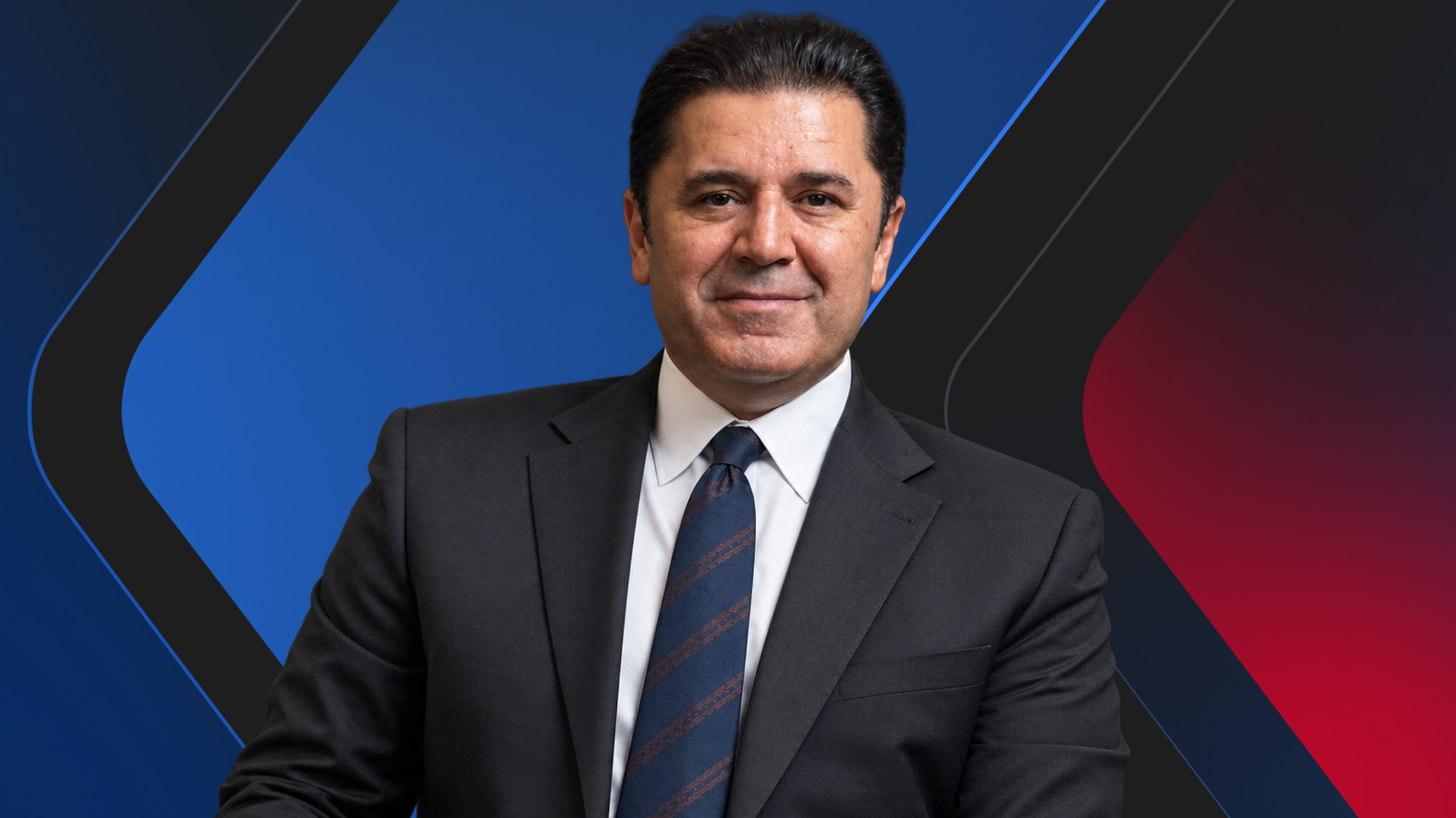
Dr. Dindar Zebari, Coordinator of International Advocacy for the Kurdistan Regional Government (KRG), said that preparing a government policy to protect civilians is a strategic step toward building an integrated legal and institutional framework and strengthening the implementation of the relevant international recommendations.
Zebari stressed that the policy should help protect the lives, rights, freedoms, dignity and property of civilians, as well as define the responsibilities of government institutions and strengthen their role in this area. He also pointed to the Kurdistan Region’s experience in the war against the terrorist group ISIS, stressing the importance of protecting civilians and their property and of committing to human rights principles and international humanitarian law.
The dialogues covered the importance of implementing and following up on international recommendations under the Universal Periodic Review (UPR) mechanism of the UN Human Rights Council. The focus was on turning those recommendations into practical policies and procedures that can be implemented, and on strengthening the capacity of government institutions to apply them.
The discussions affirmed that protecting civilians is not limited to times of armed conflict, but is a continuing responsibility that also covers peacetime, natural disasters and exceptional circumstances. On that basis, participants highlighted the importance of coordination among government institutions, international organizations and civil society in drafting and implementing the policy.
The dialogues concluded with an emphasis on the need for the policy to rest on international human rights standards and the provisions of international humanitarian law, and to ensure the participation of experts and relevant bodies in preparing it. This, they said, would help strengthen preparedness and institutional coordination and establish an effective framework for protecting civilians in all circumstances.