Lavrov in meeting with Araghchi: Russian Experts Return To Bushehr
Lavrov and Araghchi align on Hormuz, reject military solutions, and warn of Caspian Sea attacks as Ukraine condemns simultaneous air defence blocks and Russia sanctions relief
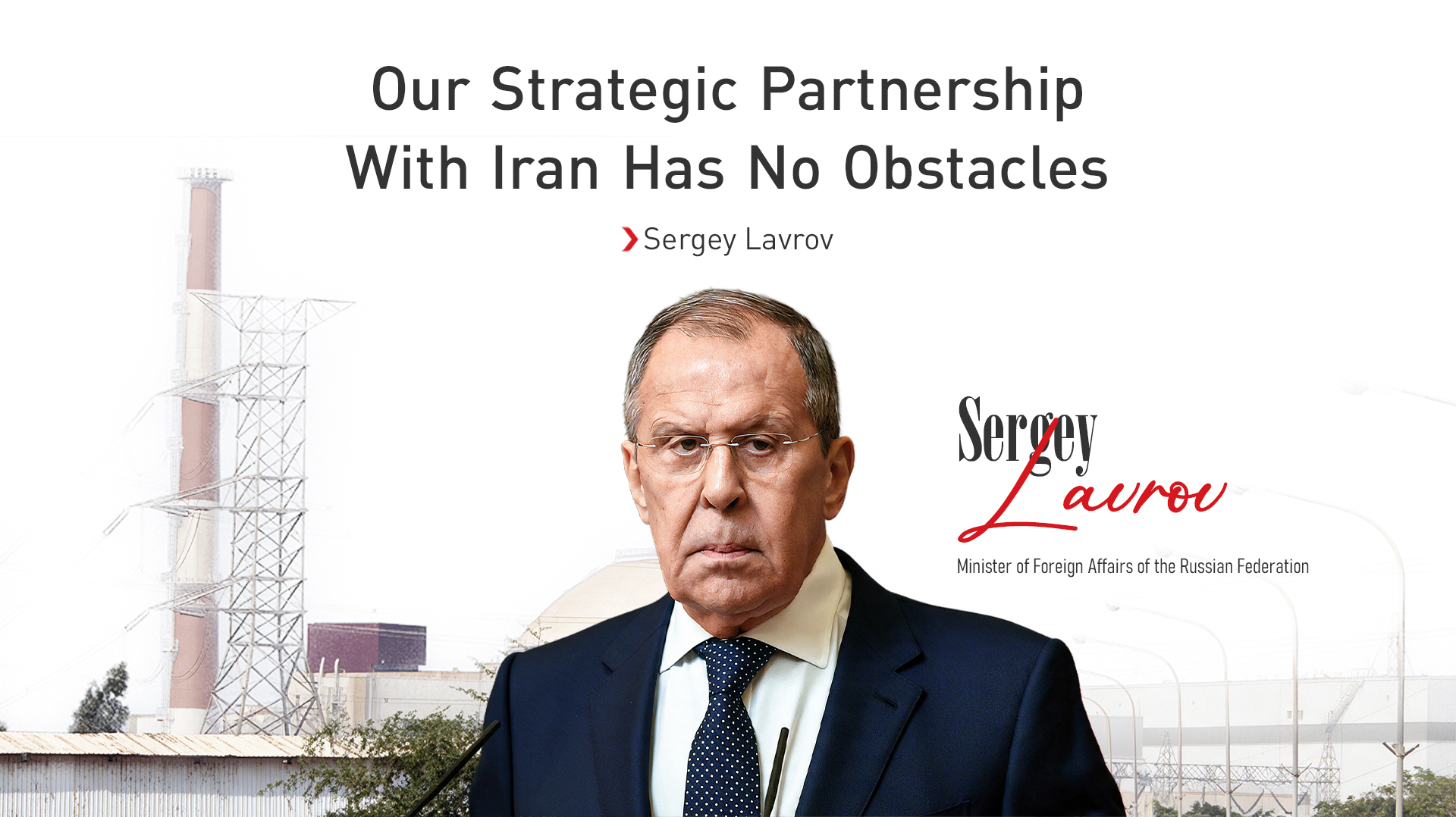
ERBIL (Kurdistan 24) - Russian Foreign Minister Sergei Lavrov visited Tehran on Monday for a meeting that Iranian FM Abbas Araghchi described as very important and fruitful, with the two sides aligning on rejecting military solutions to regional issues, calling for Hormuz to return to pre-war status, expressing serious concern about attacks on Iranian and Russian ships in the Caspian Sea, and declaring their shared opposition to American unilateralism, as Russian specialists begin gradually returning to Iran's Bushehr nuclear power plant.
"Welcome to Mr. Lavrov, the respected Foreign Minister of the Russian Federation, and his accompanying delegation," Araghchi said in his opening remarks.
Araghchi added:
We are pleased to host him again in Tehran. Today we had a very important and fruitful meeting. The relationship between Iran and Russia is a strategic relationship, and after the implementation of the strategic partnership agreement between the two presidents, our relationship has taken on more important dimensions.
Lavrov's Key Statements
Lavrov confirmed that Russian specialists are gradually returning to Iran's Bushehr nuclear power plant, a significant development given that the IAEA's verification activities and Iran's nuclear programme have been central to the ongoing US-Iran negotiations. He said Russia will not back down from compliance with its strategic document with Iran, that both countries share common views on regional issues, and that Moscow welcomes Iran's approach to using diplomatic tools to achieve peace. He confirmed that Russia is ready to find a way out of the current regional crisis and stressed that the return of the situation in the Strait of Hormuz and the region to its pre-war status is important.
Lavrov said Russia is seeking to stabilize the oil market and that he and Araghchi emphasized the consolidation of security in Lebanon. On Palestine, he said the past year has seen continued pressure on Palestinians and that Moscow demands the implementation of UN resolutions on Palestine. On Ukraine, Lavrov denied that Russia initiated attacks on Ukrainian infrastructure, saying Moscow only targets military facilities, and accused the Kyiv regime and its European allies of not being serious about negotiations.
Araghchi's Key Statements
Araghchi said the two sides discussed West Asia, the Persian Gulf, the Caucasus, Europe, Iran-US negotiations, and Ukraine. "Our common view with Russia is that regional issues have no military solution and must be pursued through diplomacy and political solutions," he said.
He described European policies as having caused the continuation of the war in Ukraine and accused European countries of being partners in the American and Israeli war against Iran. "We advise Europeans to adopt a rational approach and the path of diplomacy," he said.
On Hormuz, Araghchi said the insecurity in the strait is the direct result of American and Zionist military aggression against Iran and continues in various forms. He said the two sides discussed Palestine, Lebanon, and Yemen, adding that the genocide in Palestine and the dangerous expansionism of the Israeli regime must stop.
Caspian Sea Security: A New Concern
One of the most significant new disclosures from the joint meeting was Araghchi's statement that both Iran and Russia have serious concern about insecurity in the Caspian Sea, specifically including attacks on Iranian and Russian ships. The Caspian Sea is an enclosed inland body of water bordered by Russia, Iran, Azerbaijan, Kazakhstan, and Turkmenistan, with no access to open oceans, making any hostile maritime activity there a direct escalation in the immediate neighborhood of both countries. The disclosure that Iranian and Russian ships have been attacked in the Caspian represents a significant geographic expansion of the conflict's maritime dimension beyond the Strait of Hormuz and the Red Sea.
On Afghanistan, the two sides said they agree on reducing tensions between Kabul and Islamabad and on confronting terrorist threats. Araghchi said bilateral relations between Iran and Russia are progressing well with no serious obstacles to expanding ties across economic, trade, political, and cultural domains, and that the two countries will continue cooperation on international issues, primarily in opposing what he described as aggressive American unilateralism.
Ukraine's Response
Ukraine's Foreign Ministry said that blocking the delivery of air defence equipment to Ukraine while simultaneously easing sanctions against Russia undermines efforts to end the aggression, in a direct reference to the combination of Trump's Russia sanctions waiver signed last Friday and the reported throttling of Ukraine's Starlink military communications system without warning. The Ukrainian statement places Lavrov's Tehran visit, which produced alignment between Russia and Iran on regional and international issues, in the context of a broader pattern that Kyiv views as a coordinated tilting of the diplomatic and military balance toward Moscow.