Iraq's Domestic Debt Surpasses 113 Trillion Dinars
Domestic debt grew by nearly 23 trillion dinars in the first eight months of 2026, driven by Finance Ministry drawings on the Central Bank, while foreign currency reserves rose by $905 million in August alone to reach $81.538 billion
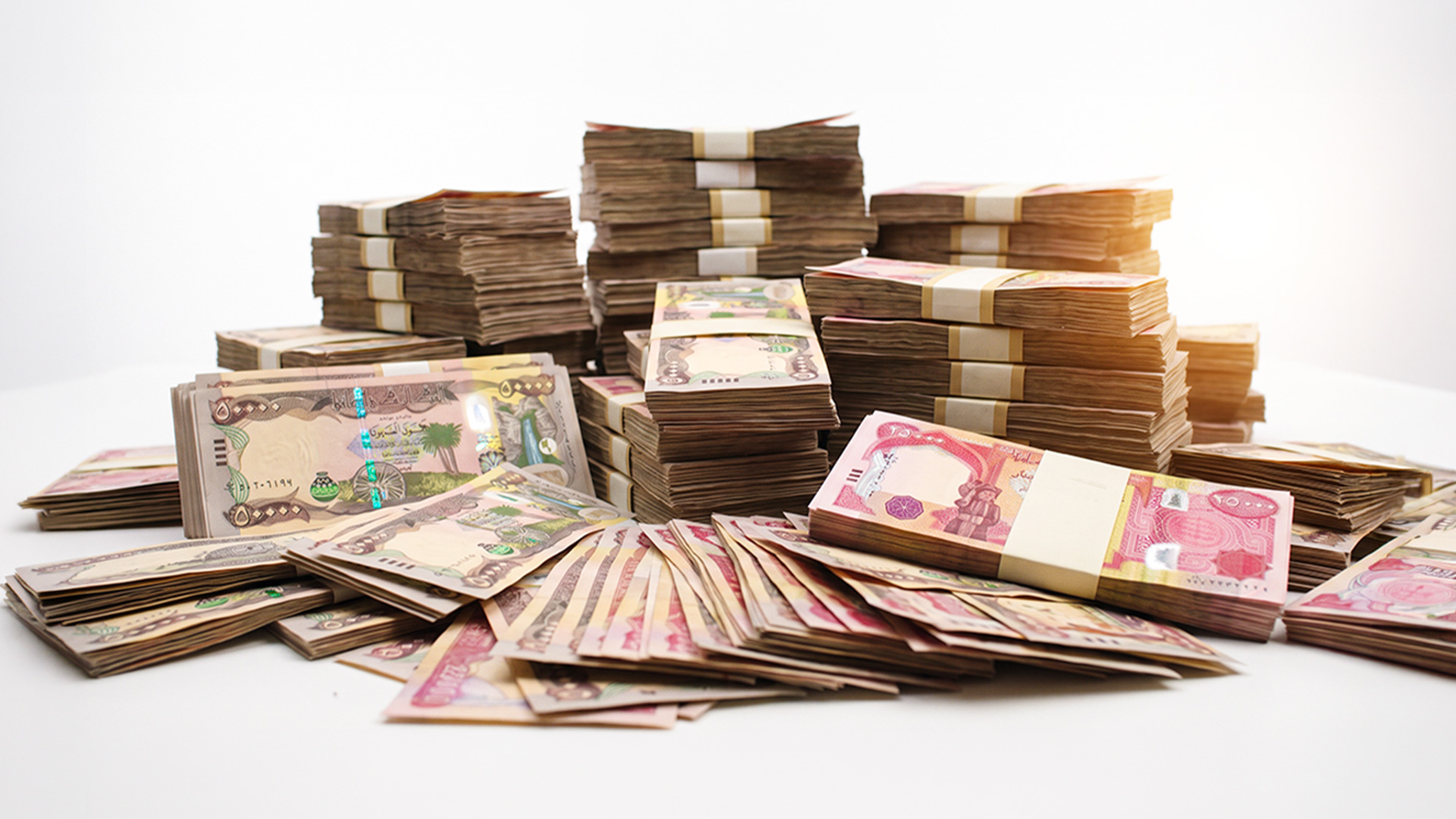
ERBIL (Kurdistan 24) - The Central Bank of Iraq announced on Wednesday that Iraq's domestic debt reached 113.485 trillion dinars by the end of August 2026, an increase of 3.969 trillion dinars compared to the end of July when it stood at 109.516 trillion dinars, and a growth of approximately 22.97 trillion dinars compared to the end of 2025 when it stood at 90.515 trillion dinars, representing a growth rate of 25.4 percent in just eight months.
The Breakdown
The components of Iraq's domestic debt at the end of August 2026 are as follows. Finance Ministry drawings on the Central Bank reached 76.499 trillion dinars, up from 72.499 trillion dinars at the end of July. Loans stand at 18.945 trillion dinars. Bonds stand at 9.330 trillion dinars. Treasury bills stand at 8.711 trillion dinars.
The Finance Ministry's drawings on the Central Bank represent the largest single component of the domestic debt at 67.4 percent of the total, reflecting the extent to which the federal government has been financing its operations directly through the central bank rather than through external borrowing or revenue generation.
Foreign Currency Reserves Rising
On the same day, the Central Bank announced that Iraq's foreign currency reserves reached $81.538 billion at the end of August 2026, equivalent to 105.999 trillion dinars, up from $80.633 billion at the end of July. Reserves grew by $905 million in August alone, equivalent to 1.176 trillion dinars, continuing an upward trend that reflects the sustained flow of oil revenues into the Central Bank's reserve holdings despite the regional disruption caused by the US-Iran conflict and Strait of Hormuz tensions.
The simultaneous growth of both domestic debt and foreign currency reserves presents a structural paradox in Iraq's public finances: the state is accumulating hard currency reserves while simultaneously expanding its domestic borrowing at a pace that adds nearly 3 trillion dinars per month. The 25.4 percent growth in domestic debt in eight months against a backdrop of over $81 billion in foreign reserves suggests that liquidity management and budget execution constraints, rather than a fundamental shortage of resources, are driving the acceleration in domestic borrowing.