Pakistan's Army Chief Discussed Houthis And New Negotiation Track With Iran, Islamabad Won't Compromise On National Security
Pakistan knows Iran must show more flexibility on the nuclear file, that Munir's primary goal in meeting Mohsen Rezaei was de-escalation, and that Saudi Arabia's security file carries paramount importance for Islamabad
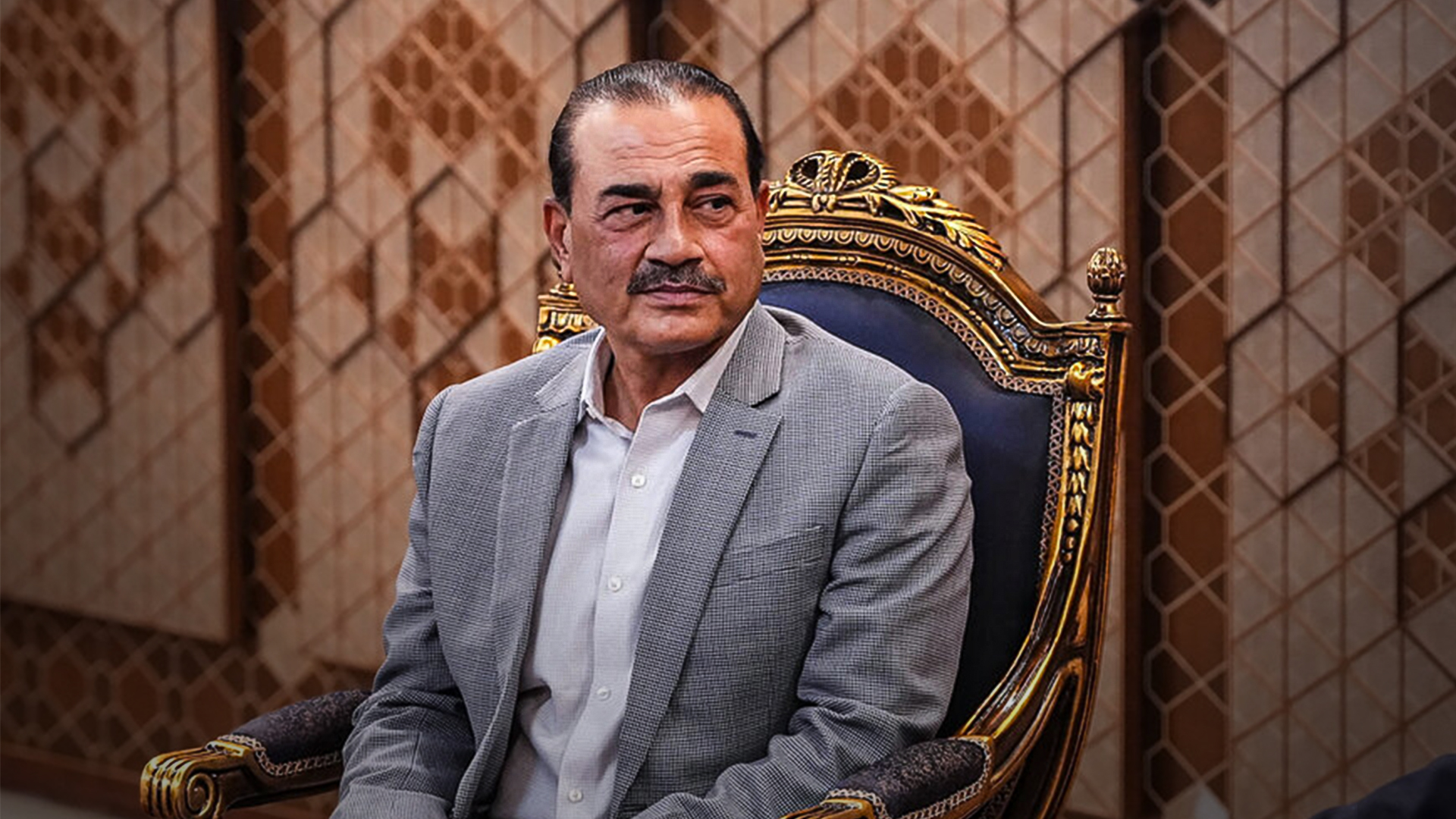
ERBIL (Kurdistan 24) - Pakistani Army Chief General Asim Munir's visit to Tehran on Tuesday covered the Houthi file and regional escalation, opened discussions about a new negotiation track between Iran and the United States, and saw Munir affirm that Islamabad will not compromise on its national security, sources told Al Arabiya and Al Hadath, as Iran's parliament speaker Mohammad Bagher Qalibaf simultaneously told Munir that Tehran has nothing new to say to Washington and that America cannot gain Iran's trust unless it fulfills the seven conditions.
According to sources cited by Al Arabiya and Al Hadath, Pakistan is aware that Iran must show greater flexibility on the nuclear file. The discussions between Munir and Iranian officials focused on opening a new negotiation track, with the primary objective of Munir's meeting with Mohsen Rezaei being de-escalation. Munir affirmed that Islamabad will not compromise on its national security and that the Saudi Arabia file carries paramount importance for Pakistan.
The Houthi File
Sources revealed that Munir's Tehran discussions specifically addressed the Houthi file and regional escalation, the first confirmation that Pakistan's mediation role has expanded beyond the bilateral US-Iran nuclear and Hormuz track to include the Saudi-Houthi dimension of the conflict. Pakistan's willingness to raise Saudi Arabia's security directly with Iranian officials in Tehran reflects Islamabad's dual interest as both a US-Iran mediator and a country with deep security and economic ties to Riyadh.
Qalibaf's Position
Munir also met Iranian parliament speaker Qalibaf, who delivered an unambiguous message. "Tehran has nothing new to say to America, and America cannot gain Iran's trust unless it fulfills the seven conditions," Qalibaf said, adding that "threats and military movements cannot influence the strategic decisions of the Islamic Republic." A statement from the Iranian side on the meeting confirmed Qalibaf told Munir that Washington will not be able to win Tehran's trust unless it meets the seven conditions put forward last month for reopening the Strait of Hormuz.
Pakistan's Mediation Role
Pakistan is a primary mediator between the United States and Iran, whose earlier mediation efforts contributed to the signing of a temporary peace agreement in June 2026. The Islamabad memorandum quickly stalled when fighting between Iran and the US resumed weeks after it was signed. Munir's return visit to Tehran, coming days after Pakistani FM Ishaq Dar met Araghchi at the OIC meeting in Baghdad on the sidelines of the 52nd Council of Foreign Ministers session, suggests Pakistan's mediation track remains among the most active diplomatic channels in the conflict.
Iran has been enriching uranium to 60 percent purity, significantly higher than what is required for civilian use and closer to the 90 percent threshold required for a weapon. Israel, the United States, and other Western countries have long accused Iran of seeking nuclear weapons. Iran denies pursuing nuclear weapons capability.