Pakistan Border Closures Deepen Iran Trade Strain as Food Prices Surge
Pakistan's restrictions on truck traffic from Iran have stranded thousands of vehicles, disrupted trade and added to economic pressure as food prices in Iran rise sharply.
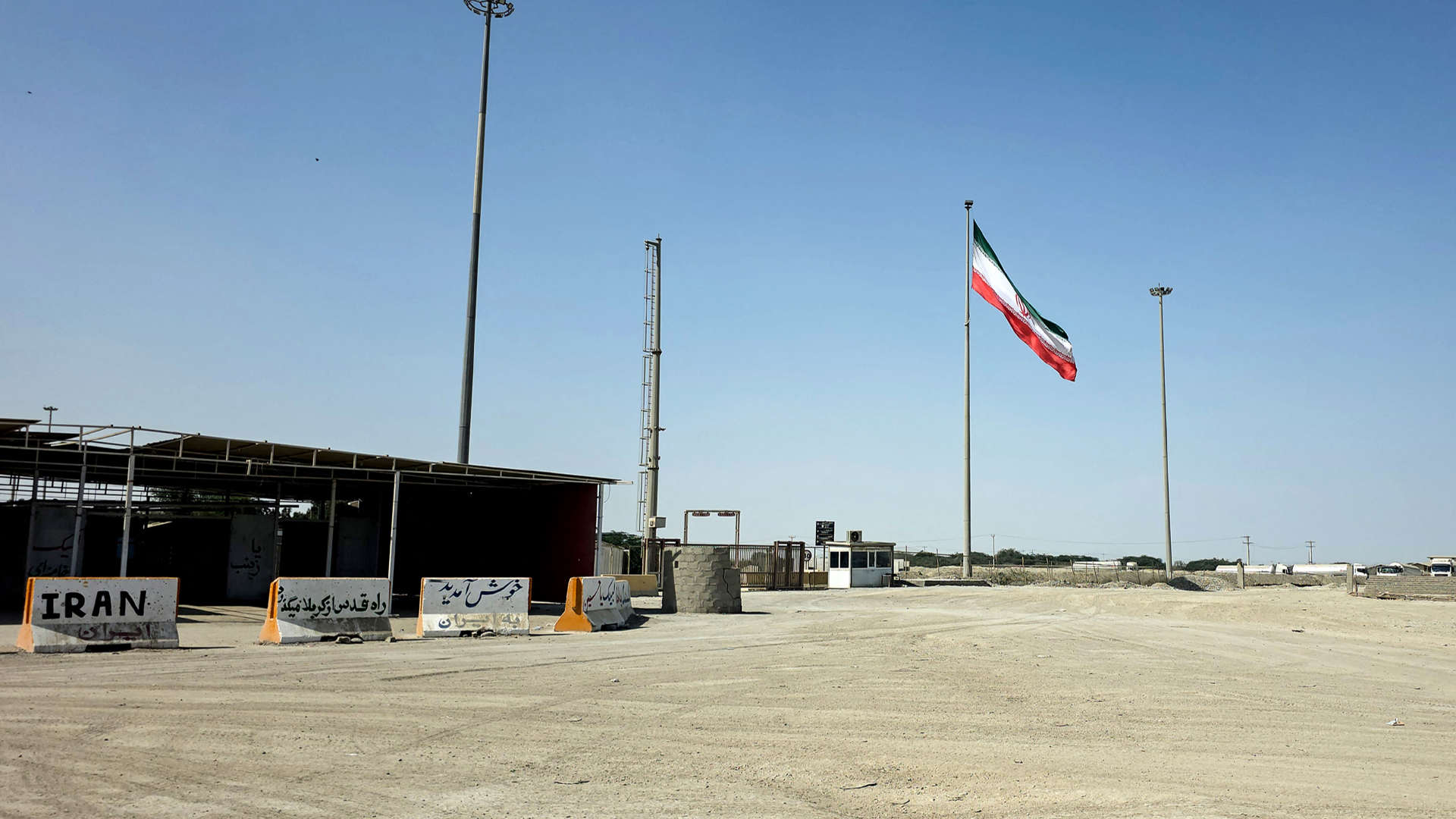
ERBIL (Kurdistan24) - Iran is facing growing pressure on its overland trade network after Pakistan halted truck traffic from Iranian territory at key crossings, leaving thousands of vehicles stranded and adding to supply disruptions that have coincided with a sharp rise in food prices.
According to reporting cited from The Wall Street Journal, Pakistani authorities reversed an earlier decision allowing trade through the Taftan and Gabd-Rimdan crossings, citing compliance with U.S. sanctions on Tehran, security concerns and efforts to curb smuggling.
Passenger movement through Rimdan has continued, but commercial truck traffic has been halted.
An Iranian official told the newspaper that exports to Pakistan had stopped, although the official did not provide a figure for the financial losses or specify when the suspension began.
A U.S. official said Washington's sanctions policy is intended to isolate Tehran, reduce its economic options and increase pressure on the Iranian government.
The border measures have created a major logistical backlog.
Around 3,000 trucks are reportedly waiting at the Rimdan crossing alone, carrying goods including rice, fresh fruit and liquefied petroleum gas, or LPG.
The situation has been compounded by limited infrastructure at the crossing.
Problems have also spread beyond the immediate border area.
Officials from the Tehran Chamber of Commerce said approximately 17,000 trucks belonging to Iranian traders are stranded at Pakistan's Karachi port because of restrictions affecting the Mirjaveh-Taftan corridor.
A further 17,000 trucks are reportedly backed up along Iran's borders with Türkiye, Afghanistan and Azerbaijan.
At the Bazargan crossing with Türkiye, between 4,000 and 5,000 trucks are said to be waiting.
The disruption comes after restrictions had already affected Iran's air and maritime trade routes, increasing the importance of land corridors for both imports and exports.
Inside Iran, the economic impact is being felt by consumers.
According to the source material, food prices have risen by 128%, adding to pressure on households already affected by the wider economic consequences of sanctions and interrupted trade.
Pakistan is also facing costs from the disruption.
Energy-sector specialists have warned that restrictions on LPG shipments through the Gabd-Rimdan crossing could create shortages and increase fuel prices in Karachi and other parts of the country.
Pakistan relies heavily on Iranian LPG, with thousands of tonnes previously moving through the crossing each day.
Trade between Iran and Pakistan was valued at approximately $3.1 billion to $3.2 billion in 2025, while both governments had set a goal of increasing bilateral trade to more than $10 billion in 2026.
Those plans included a memorandum of understanding signed in Islamabad in August during the 10th Joint Trade Committee meeting, as well as proposals for a joint free-trade zone and a broader free-trade agreement.
Trade between the two countries normally moves through four official land crossings, Mirjaveh-Taftan, Rimdan-Gabd, Pishin-Mand and Kuhak-Chadgi, as well as several border markets.
The Rimdan-Gabd crossing was temporarily shut last week following U.S. pressure. When it reopened, commercial activity was restricted to vegetables and selected food products.
Iran mainly exports LPG, petrochemicals, bitumen, polyethylene, pistachios, dates and agricultural products to Pakistan.
Its imports from Pakistan include rice, red meat, live animals, tropical fruits and other agricultural goods.
That makes the disruption economically damaging to both sides.
Iran risks losing export revenues from LPG, petrochemical products and other commodities at a time when maritime trade has also come under greater pressure.
Pakistan, meanwhile, faces shortages and higher costs for fuel and imported goods that traditionally move through Iranian routes.
The current restrictions therefore go beyond a bilateral border dispute. They have become part of the broader economic pressure on Iran while also imposing logistical and inflationary costs on Pakistan.
If the closures and restrictions continue, the immediate burden is likely to remain concentrated on traders, transport companies and consumers on both sides of the border, with thousands of trucks already unable to move normally through regional trade corridors.