Iraq Basmati Shipments Shift to Bulk Carriers as Costs Fall
Indian rice exporters will ship 102,210 tonnes of basmati to Iraq in bulk, cutting freight costs by about 74% and saving an estimated $26.6 million.
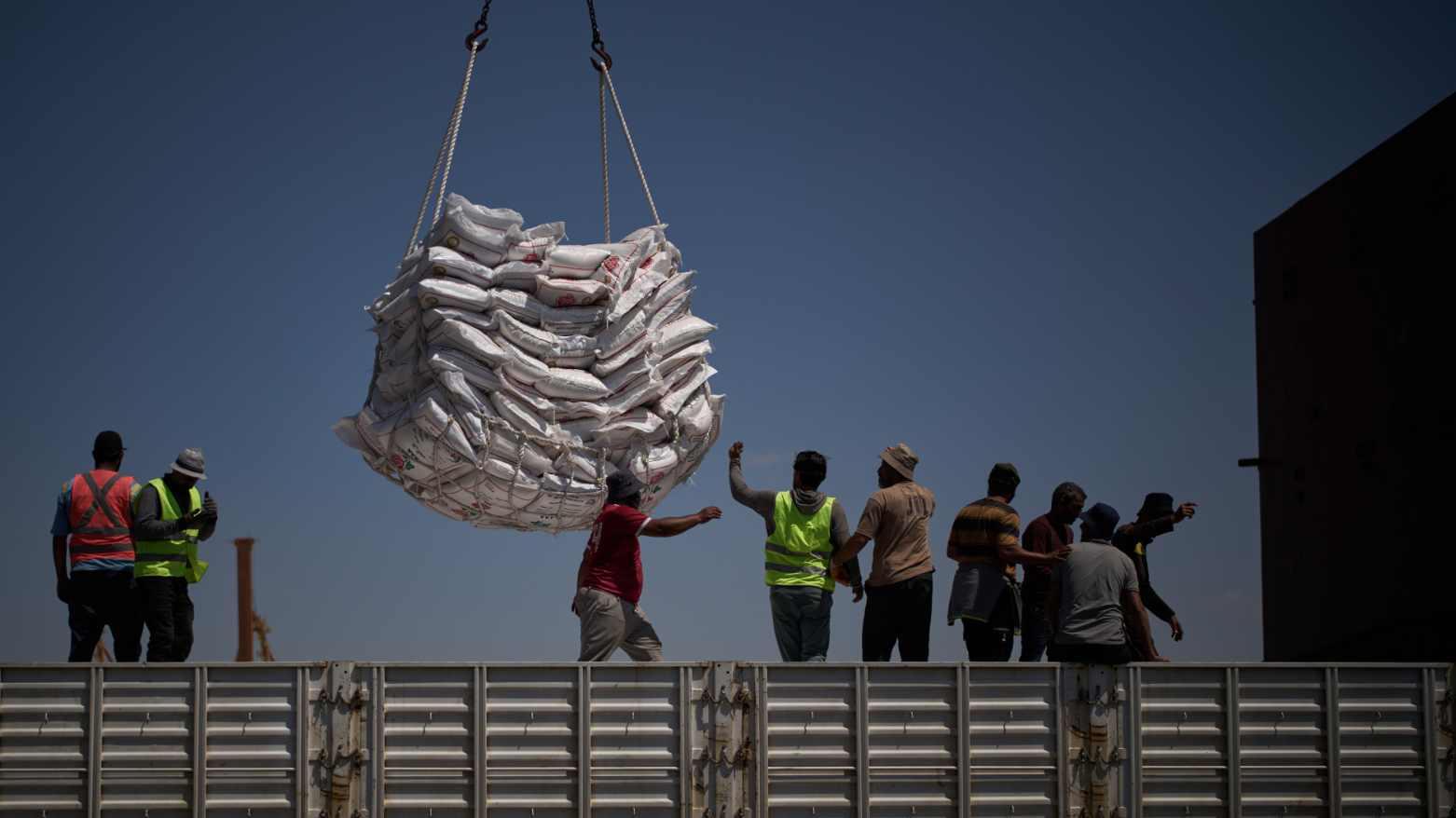
ERBIL (Kurdistan24) - Indian rice exporters are moving more than 102,000 tonnes of basmati rice to Iraq by bulk vessel in an initiative expected to cut maritime transport costs by about 74%, as exporters seek to protect their competitiveness in one of India's largest Middle Eastern markets.
The Indian Rice Exporters Federation said Saturday, Oct. 24, that the initiative, carried out in cooperation with Singapore-based Eximwala Solutions, will transport 102,210 tonnes of basmati rice to Iraq aboard three vessels.
By shifting from containerized transport to bulk shipping, the federation said the cost of moving one tonne of rice will fall from about $350 to $90.
That represents a saving of approximately $260 per tonne and an estimated $26.6 million across the three shipments.
The operation comes as exporters face higher freight rates, shortages of shipping containers and broader instability affecting trade between India and the Middle East, which remains the largest regional market for Indian basmati rice.
The three vessels will deliver the rice to Iraq's Umm Qasr port. According to the federation, one vessel will carry 36,810 tonnes, the second 25,500 tonnes and the third 39,900 tonnes.
The initiative is intended to make Indian basmati more competitive in Iraq by reducing one of the largest costs involved in bringing the product to market.
Dev Garg, vice president of the Indian Rice Exporters Federation, said higher freight expenses directly affect the ability of Indian exporters to compete.
“Rising shipping costs have a direct impact on the competitiveness of Indian exports,” Garg said.
He said reducing transportation expenses would benefit both exporters and purchasers, adding that the federation is examining similar shipping arrangements for other Gulf markets.
Iraq already represents one of India's most important destinations for basmati rice.
According to federation figures cited in the report, Iraq imported approximately 764,000 tonnes of Indian basmati during the 2025-2026 period, valued at 5,583 crore Indian rupees, or approximately $588 million.
Those figures placed Iraq as the third-largest Middle Eastern market for Indian basmati rice after Saudi Arabia and Iran.
Saudi imports were valued at 8,324 crore rupees during the period, while Iran imported basmati worth 6,970 crore rupees, according to the federation.
Across the Middle East, India exported approximately 4.564 million tonnes of basmati rice in 2025-2026. The federation placed the value of those exports at 34,284 crore rupees, equivalent in the source figures to more than $135 million.
The Middle Eastern market accounted for nearly 70% of India's total basmati exports during the period, highlighting the importance of freight costs for exporters trying to maintain or expand their share of the regional rice trade.
For Iraq, where hundreds of thousands of tonnes of Indian basmati are already imported annually, the new transport model could lower the cost of bringing large shipments through Umm Qasr.
The federation has presented the three-vessel operation as a logistical response to the pressures facing exporters rather than a change in the product itself. Whether those freight savings translate directly into lower prices for Iraqi buyers or consumers is not specified in the supplied figures.
What the initiative does establish is a substantial reduction in transportation costs on a large volume of rice entering one of India's biggest markets, while providing exporters with an alternative to increasingly expensive container shipping.