KRG Deputy Minister Calls Iraq's Development Road Project Unfair
KRG Deputy Minister Agrin Abdullah says Iraq’s Development Road bypasses Kurdish areas, urging a railway via Kirkuk and Erbil before construction advances.
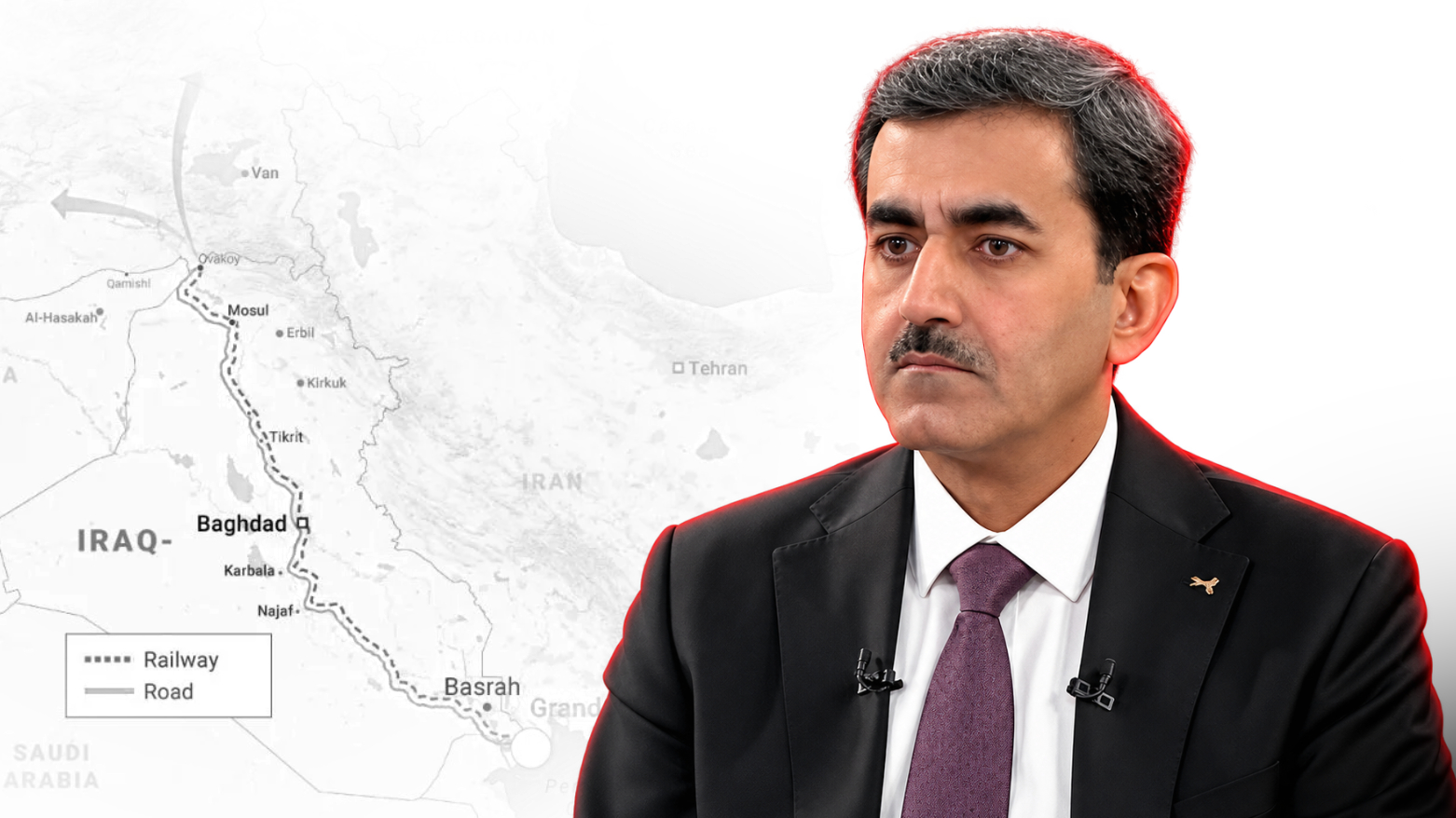
ERBIL (Kurdistan24) - The Kurdistan Regional Government (KRG) has criticized the proposed route of Iraq's Development Road project as unfair to the Kurdistan Region, arguing that the railway and expressway would largely bypass Kurdish-populated areas despite the Region's importance to the corridor's connection with Türkiye.
Agrin Abdullah, Deputy Minister of Construction and Housing in the KRG, told Kurdistan24 on Monday that the current design does not serve the Region's interests. He said the route crosses Shiite- and Sunni-Arab areas while excluding Kurdish-populated territories from its principal rail and road links.
The objections concern how the Kurdistan Region would participate in a project intended to connect southern Iraq with Türkiye and, ultimately, European markets.
Baghdad presents the corridor as a major national investment in transport and energy infrastructure, while KRG officials want its planned alignment reconsidered before construction proceeds.
Abdullah said the KRG had formally communicated its concerns to Iraq's Council of Ministers. The regional Ministry of Construction and Housing proposed directing the railway through Kirkuk and Erbil before continuing toward Türkiye, but federal authorities have not accepted that proposal, he said.
Instead, according to Abdullah, Baghdad favors an alignment that would bring only a short section of the corridor into the Kurdistan Region, near Zakho and the Ibrahim Khalil border crossing.
He argued that allowing just a few kilometers through the Region would not adequately reflect its geographical or economic interests.
The deputy minister also said his ministry had received no official written communication concerning the Development Road project or arrangements for laying its foundation stone.
His remarks follow discussions between KRG and federal officials, but indicate that those contacts have not resulted in formal notification to his ministry on the project or the proposed ceremony.
The dispute comes days after KRG Minister of Transport and Communications Anno Jawhar traveled to Baghdad on Thursday, Oct. 22, to discuss the Development Road with Iraq's Minister of Construction, Housing and Municipalities, Rebaz Hamlan.
Jawhar said he made the visit at the direction of KRG Prime Minister Masrour Barzani, specifically to present the Kurdistan Region's position on the project. He also indicated that further meetings with Iraq's Ministry of Transport were planned to seek support for the KRG's proposals.
The Development Road envisages approximately 1,200 kilometers of rail and highway infrastructure connecting Grand Faw Port in Basra to Kurdistan Region's border with Türkiye.
Its promoters see the corridor as a means of moving goods between Asia and Europe more quickly and at lower cost than existing maritime routes through the Suez Canal.
For the Kurdistan Region, the route's northern end is particularly important.
Duhok's border areas, including the Ibrahim Khalil crossing, are expected to provide a link with Türkiye, with potential gains in trade, logistics activity and investment.
The question raised by Abdullah is whether those anticipated benefits would extend beyond a narrow border connection.
Iraqi Prime Minister Ali al-Zaidi, in his latest remarks, said he intended to invite Turkish President Recep Tayyip Erdoğan to attend a ceremony marking the laying of the project's foundation stone.
He described the Development Road as a strategic corridor for both energy and transportation.
According to the plan outlined by the Iraqi prime minister, the corridor would have the capacity to transport 2.5 million barrels of oil per day and generate between $65 billion and $70 billion in annual economic revenue from the oil sector alone.
Those figures describe the government's projections rather than revenue already being generated.
The KRG continues to press for a route incorporating Kirkuk and Erbil.
Abdullah's account indicates that agreement on that proposal has not been reached, even as Baghdad prepares for the next stage of the project.