US Gives Iraq Until June 2027 to Disarm Armed Groups or Face Sanctions: Farhad Atrushi
Atrushi warned that Iraq could face severe sanctions if the government and the armed groups fail to comply with the new deadline.
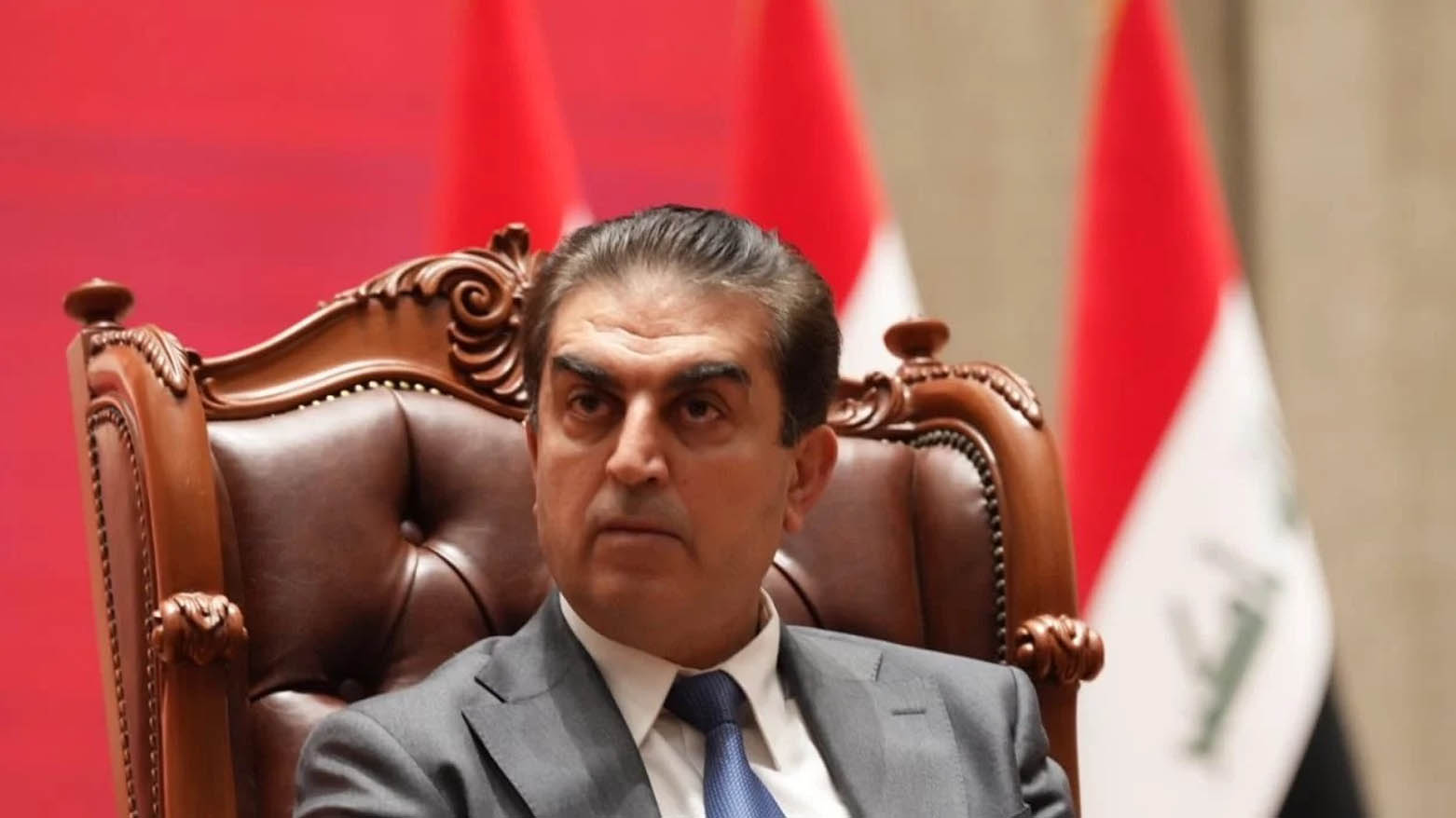
ERBIL (Kurdistan24) — The United States has extended its deadline for Iraqi armed groups to surrender their weapons until June 30, 2027, giving the Iraqi government additional time to bring weapons under state control, Farhad Atrushi, Deputy Speaker of the Iraqi Parliament, said.
Atrushi said the US Chargé d'Affaires to Iraq informed him of Washington’s decision to extend the deadline, which was originally set for September 30. He described the extension as a sign of US flexibility and an opportunity for Iraqi Prime Minister Ali al-Zaidi to address the issue.
However, Atrushi warned that Iraq could face severe sanctions if the government and the armed groups fail to comply with the new deadline. He also cautioned that the country could be designated a state sponsor of terrorism if it fails to meet Washington’s demands.
Although the information was not initially intended for public discussion, Atrushi said recent remarks by US Secretary of State Marco Rubio reflected Washington’s position on the issue.
Rubio has warned that Iraq could face a fate similar to that of Balkan countries if armed militias refuse to disarm and weapons remain outside the control of the state.
“If we want strong relations with the United States, they also have conditions,” Atrushi said, explaining that Washington expects Iraq to meet its demands as part of efforts to maintain bilateral relations.
He added that the US position was reciprocal: if Iraq rejected Washington’s conditions, the United States would also be unwilling to accept Iraq’s demands.
The dispute over armed groups comes amid broader efforts to consolidate state authority over weapons and strengthen Iraq’s security institutions, as Washington continues to press Baghdad to prevent armed factions from operating independently of the government.
The future of US-Iraq relations also remains tied to security cooperation, counterterrorism efforts, and economic and energy ties, with Washington urging Baghdad to ensure that armed groups do not threaten US interests or undermine Iraqi state institutions.