PKK Backs Agreement to Integrate YBŞ Fighters Into Iraqi Forces
PKK official Murat Karayilan backs the YBŞ-Baghdad agreement to integrate Ezidi fighters into Iraqi forces as authorities move to reorganize Sinjar security.
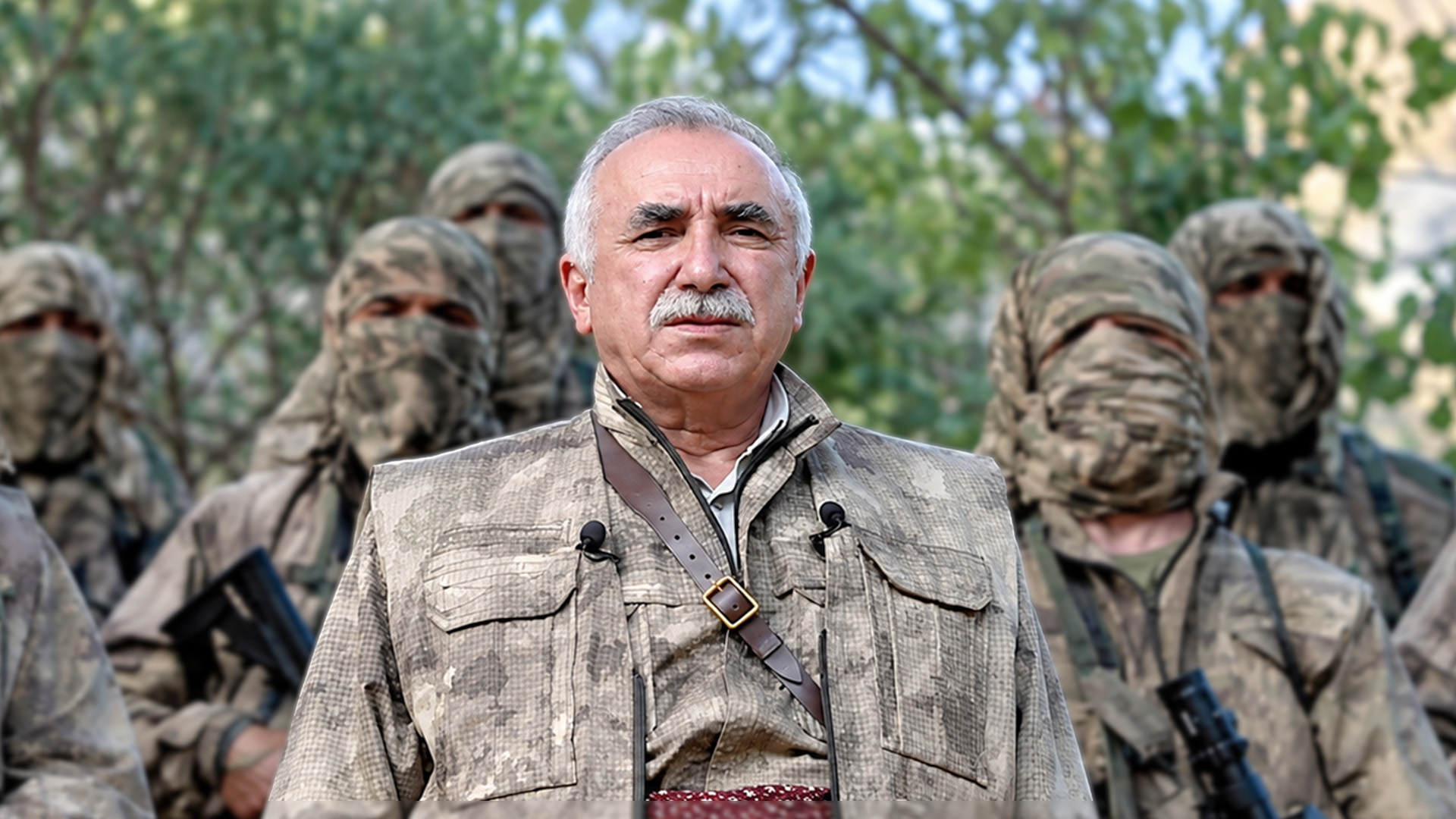
ERBIL (Kurdistan24) - A senior military figure affiliated with the Kurdistan Workers' Party (PKK) has expressed support for an agreement between the Sinjar Resistance Units (YBŞ) and the Iraqi federal government to incorporate the group's fighters into official security institutions while maintaining their presence in Sinjar as a locally recruited force.
Murat Karayilan, a member of the Central Command of the People's Defense Forces (HPG), described the arrangement as an "appropriate and correct" step, saying it could strengthen local security and help prevent further attacks against the Ezidi community.
In a message reported by Kurdistan24, Karayilan acknowledged ongoing discussions between YBŞ leaders and Baghdad concerning the group's future status. He said the objective was to establish a formally recognized local security force that would remain responsible for protecting Sinjar under Iraq's official security framework.
His endorsement follows the Iraqi government's announcement on Monday, Oct. 26, that it was formally dissolving the YBŞ's separate military structure and transferring its members into federal institutions.
The development brings together two objectives that have shaped negotiations over Sinjar's security: Baghdad's efforts to place armed formations under government authority and the desire among local Ezidi fighters to remain involved in protecting their communities.
Karayilan maintained that incorporating YBŞ personnel into the Iraqi security establishment, while assigning them responsibility for their own area, would provide an appropriate arrangement for maintaining security.
He also linked the agreement to the prevention of future atrocities against Ezidis, whose community suffered genocide during ISIS's assault on Sinjar in 2014.
The YBŞ emerged following those attacks and subsequently maintained a military presence in the district. Its association with the PKK has remained a central issue in discussions over security authority and the presence of armed groups outside Iraq's formal military institutions.
Baghdad's Integration Plan
On Monday, Iraqi Armed Forces Joint Command spokesman Sabah Numan announced that the YBŞ's independent military affiliation was being dissolved through a formal process supervised by the prime minister and commander-in-chief of the armed forces.
According to Numan, responsibility for security in the Sinjar Mountains would pass entirely to federal authorities, in accordance with the government's policy of bringing weapons and armed formations under state control.
Read More: Iraq Formally Dissolves YBS Military Structure In Sinjar
An informed source in Sinjar told Kurdistan24 that approximately 4,000 to 5,000 fighters were expected to enter Iraqi security institutions through several stages. Those integrated into federal structures would remain in Sinjar with responsibility for local protection.
The source said Iraqi military and security officials, alongside YBŞ commanders, attended the integration ceremony in the Sinjar Mountains.
The federal government also pledged to safeguard the rights of Ezidi fighters who participated in the campaign against ISIS, compensate affected families and support reconstruction in the district.
The process forms part of Prime Minister Ali al-Zaidi's wider security program, which includes a June 2027 target for militia disarmament and a 90-day mutual ceasefire announced as an initial step at the United Nations General Assembly in September.
Nineveh Governor Calls for Removal of Foreign Fighters
Nineveh Governor Abdulqadir Dakhil provided further details about the government's plans during an interview with Kurdistan24's Basi Roj program on Tuesday, Oct. 27.
Dakhil said authorities intended to integrate 4,165 Ezidi YBŞ fighters, whom he identified as Iraqi citizens, into the country's army and security institutions.
He distinguished those personnel from foreign fighters, whom he said would be removed from Sinjar and transferred to Qandil and international parties. He also characterized the PKK's presence as providing cover for YBŞ forces, an assessment attributed to the governor.
Dakhil referred to an arrangement between Baghdad and Ankara concerning the removal of PKK and YBŞ formations from Mount Sinjar, alongside a proposed Turkish military withdrawal from locations including Bashiqa.
He provided no implementation timetable or detailed explanation of the arrangements.
The governor's remarks also emphasized the importance of fully implementing the 2020 Sinjar Agreement, concluded between Erbil and Baghdad during former Prime Minister Mustafa al-Kadhimi's administration.
That agreement called for the withdrawal of armed groups operating outside official state institutions, including PKK-affiliated formations, but its provisions have not been fully enforced.
Dakhil argued that restoring stability would require more than changes to military structures, pointing to inadequate public services, reconstruction needs and the continuing displacement of residents.
Read More: Nineveh Governor Outlines Plan to Remove Foreign Fighters From Sinjar
The distinction between retaining locally recruited Ezidi personnel under federal command and removing armed organizations operating independently remains central to the current arrangements.
Karayilan's support indicates acceptance of the proposed institutional integration from a senior PKK-affiliated figure. However, the precise arrangements for command authority, the departure of foreign fighters and the completion of the integration process have not been fully detailed.
For Baghdad, the next stage involves translating the announced restructuring into an operational security framework while addressing the conditions necessary for displaced Ezidis to return to Sinjar.
Kurdistan24 correspondent Ebidulselam Tutinçî contributed to this report.