Ceyhan's Port Oil Exports Hit 500,000 Barrels
SOMO is now sending 500,000 barrels a day of Kirkuk, Kurdistan Region and Basra crude through the Kurdistan Region pipeline to Türkiye’s Ceyhan port, a North Oil Company source says, though no official has confirmed the figure.
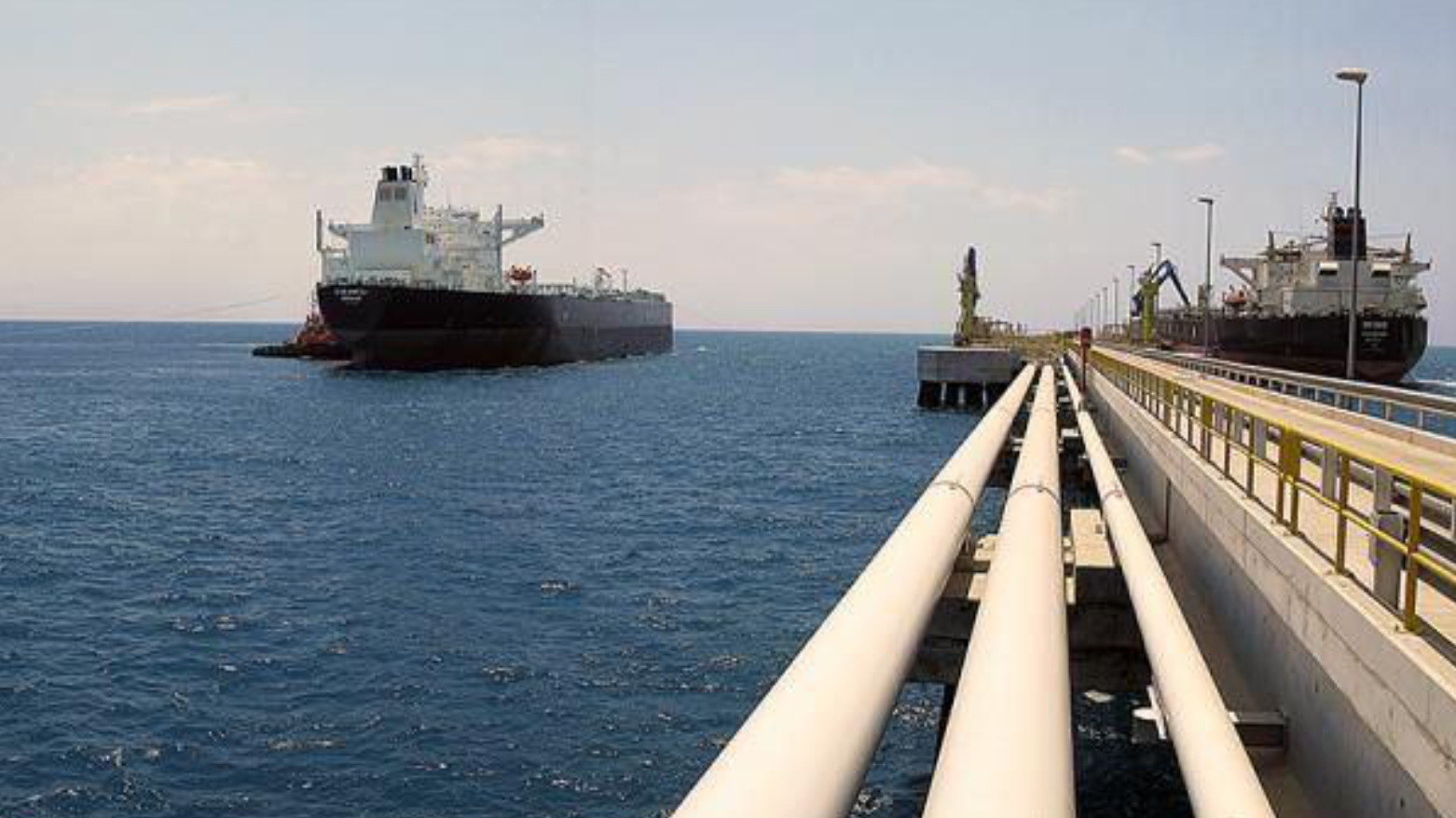
ERBIL (Kurdistan 24) - Iraq’s State Oil Marketing Organization (SOMO) is now exporting 500,000 barrels of oil a day through the Kurdistan Region pipeline to Türkiye’s Ceyhan port, a source at the North Oil Company told Kurdistan 24’s Kirkuk correspondent Soran Kamaran on Monday. The source said volumes rose after an agreement with the Kurdistan Regional Government’s Ministry of Natural Resources, setting a new benchmark for the pipeline.
According to the source, the daily 500,000 barrels consist of 125,000 barrels of Kirkuk crude, between 175,000 and 200,000 barrels of Kurdistan Region crude, and about 200,000 barrels of Basra crude. The Basra oil reaches collection stations at Sarallu and Khurmala by tanker, and from there is pumped north to Ceyhan. Exports through the pipeline had been between 300,000 and 350,000 barrels a day, the source said, and this is the first time they have reached 500,000.
Iraqi Local Medias reported on Sunday, citing three North Oil Company sources, that exports through Ceyhan rose by nearly 43 percent from 350,000 to 500,000 barrels a day, with Basra crude trucked to the Khurmala field in the Kurdistan Region before entering the northern pipeline system. It put Basra’s share at 200,000 barrels, or 40 percent, Kurdistan Region fields at 175,000, or 35 percent, and Kirkuk at 125,000, or 25 percent.
Also they reported that volumes reached 500,000 barrels on Sunday evening, the highest since flows through Turkish territory were restored. Baz Karim Barzanji, head of the Erbil-based KAR Group, a shareholder in the Kurdistan Pipeline Company, wrote on Saturday that exports had doubled from 250,000 to 500,000 barrels a day, according to Kurdistan 24.
Experts told Kurdistan 24 that since the Strait of Hormuz was shut, Iraq has relied more heavily on the Kurdistan Region to escape a severe financial squeeze, and the pipeline has become one of its most important gateways to world markets.
Aafter the tankers stopped leaving the Gulf, Iraq’s exports fell by more than 80 percent in March, when only 18.6 million barrels were shipped for about $1.96 billion in revenue. Baghdad and Erbil agreed on March 17 to resume northern flows, and Iraq and Türkiye signed a one-year deal on August 1 to move at least 750,000 barrels a day to Ceyhan. S&P Global said the pipeline averaged 230,000 barrels a day in June, about half its historic flows.
Iraq is also sending some oil by other routes. It trucks fuel oil and crude through Syria to the port of Baniyas, and part of its crude goes by tanker through the Strait of Hormuz. Oil Minister Basim al-Abadi said on October 19 that exports through all routes had risen to more than 3.4 million barrels a day since the start of October, according to Kurdistan 24. On that figure, 500,000 barrels would be roughly 15 percent of Iraq’s total exports. Iraq’s long-term answer is the planned Basra-Haditha pipeline, which the ministry says could take three years.
The next test is whether flows hold near 500,000 barrels and move toward the 750,000 agreed with Ankara.