European Force For Ukraine To Hold First Drill
France and the UK say the Multinational Force Ukraine will rehearse in Poland from November 9 to 22 how to deploy once a ceasefire is reached, a plan Russia has called a threat and a legitimate target
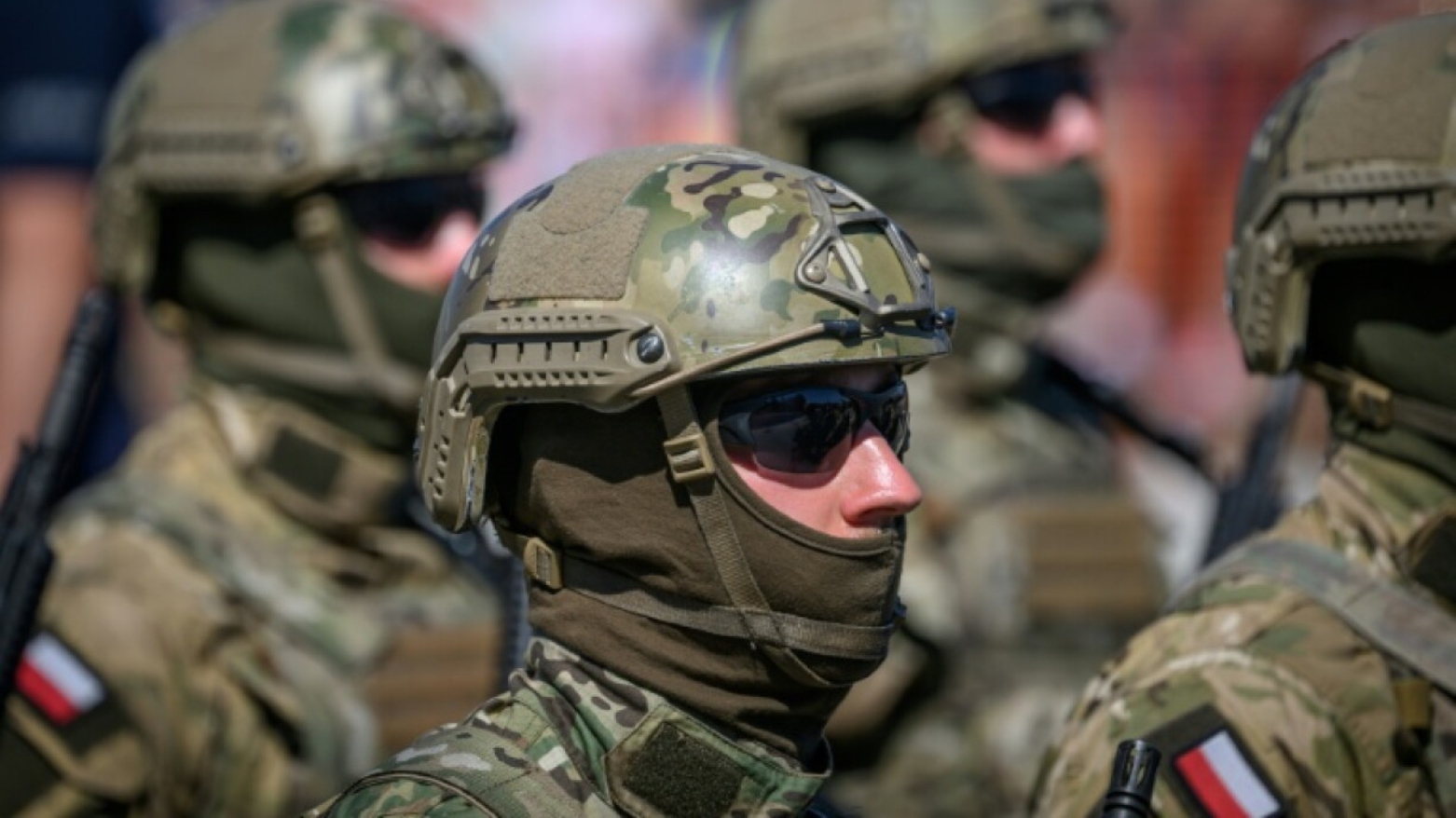
ERBIL (Kurdistan 24) - Some 2,800 troops from 10 European countries will hold the first exercise of a new multinational force for Ukraine in Poland this month, France and the UK said on Tuesday.
The Multinational Force Ukraine (MNF-U), led by Paris and London, has no offensive mission and is meant to deploy only once a ceasefire ends the war that began with Russia’s full-scale invasion in 2022.
The force was set up in September 2025 as the military arm of the “Coalition of the Willing” of Ukraine’s allies, and it already has an operational headquarters in Paris. It is not a NATO operation and has little US involvement. According to the UK Ministry of Defence, it could enter Ukraine only after hostilities end and at the Ukrainian government’s request. Its aims are to support Ukraine’s armed forces, help secure Ukrainian skies and allow economic activity to resume in the Black Sea. UK Defence Secretary Wes Streeting called it a real force, not a hypothetical plan.
The exercise, named Koalicja, the Polish word for “Coalition,” will run from November 9 to 22 around the town of Nowa Deba in southeast Poland, about 62 miles (100 kilometers) west of the Ukrainian border.
France is sending the largest contingent, 1,100 troops, and the UK 300. The other participants in the land and air operations are Belgium, Estonia, Germany, Lithuania, the Netherlands, Poland, Spain and Sweden. Türkiye will lead a separate maritime simulation from Istanbul to test preparedness for mine-clearing in the Black Sea, but its troops will not take part in Poland, the joint statement said.
The UK counts 11 nations in all, including Türkiye. Only light equipment, such as drones for anti-drone and self-defense drills, is expected, with no tanks. The exercise will test the speed of deployment, coordination, the movement of personnel, equipment and supplies, and whether the different components can work as one force.
French General Armel Dirou, who co-leads the exercise with British Lieutenant General Tom Bateman, called it a key milestone showing the force can deploy as soon as hostilities end.
This is not a show of force,
he said.
Bateman stressed that the force is not a peacekeeping or ceasefire monitoring mission and is not designed for offensive operations, but to provide reassurance and support the rebuilding of Ukraine’s armed forces so they can deter and, if necessary, defend against future Russian aggression.
The plan has been politically charged since leaders of 26 nations signed the Paris Declaration on January 6, in which the UK and France pledged to deploy troops after a ceasefire, alongside a US-led ceasefire monitoring mechanism. The US is not a formal party to the declaration, and a commitment to support the force if it is attacked was dropped from an earlier draft, according to European media.
Russia answered two days later, with Foreign Ministry spokeswoman Maria Zakharova warning that any Western units in Ukraine would be “legitimate combat targets” and calling the allies an “axis of war.” She repeated that position on July 15, after the coalition met in Paris and said exercises would follow in coming months. Although 26 countries have said they would contribute troops or equipment, only 11 are taking part in this exercise.
Moscow has shown little appetite for a settlement. The Institute for the Study of War says the Kremlin’s position against ceasefire proposals remains unchanged ahead of US-Russia-Ukraine talks scheduled for November 10 in Abu Dhabi, a day after the exercise begins. The war has now lasted longer than World War I and is nearing its fifth year with neither side close to a breakthrough.