Khamenei: Concessions Won’t Change US Behavior
In a message for the National Day of Fighting Global Arrogance, Iran’s Supreme Leader says Hormuz management and strikes on US bases were a response that could widen if attacks are repeated
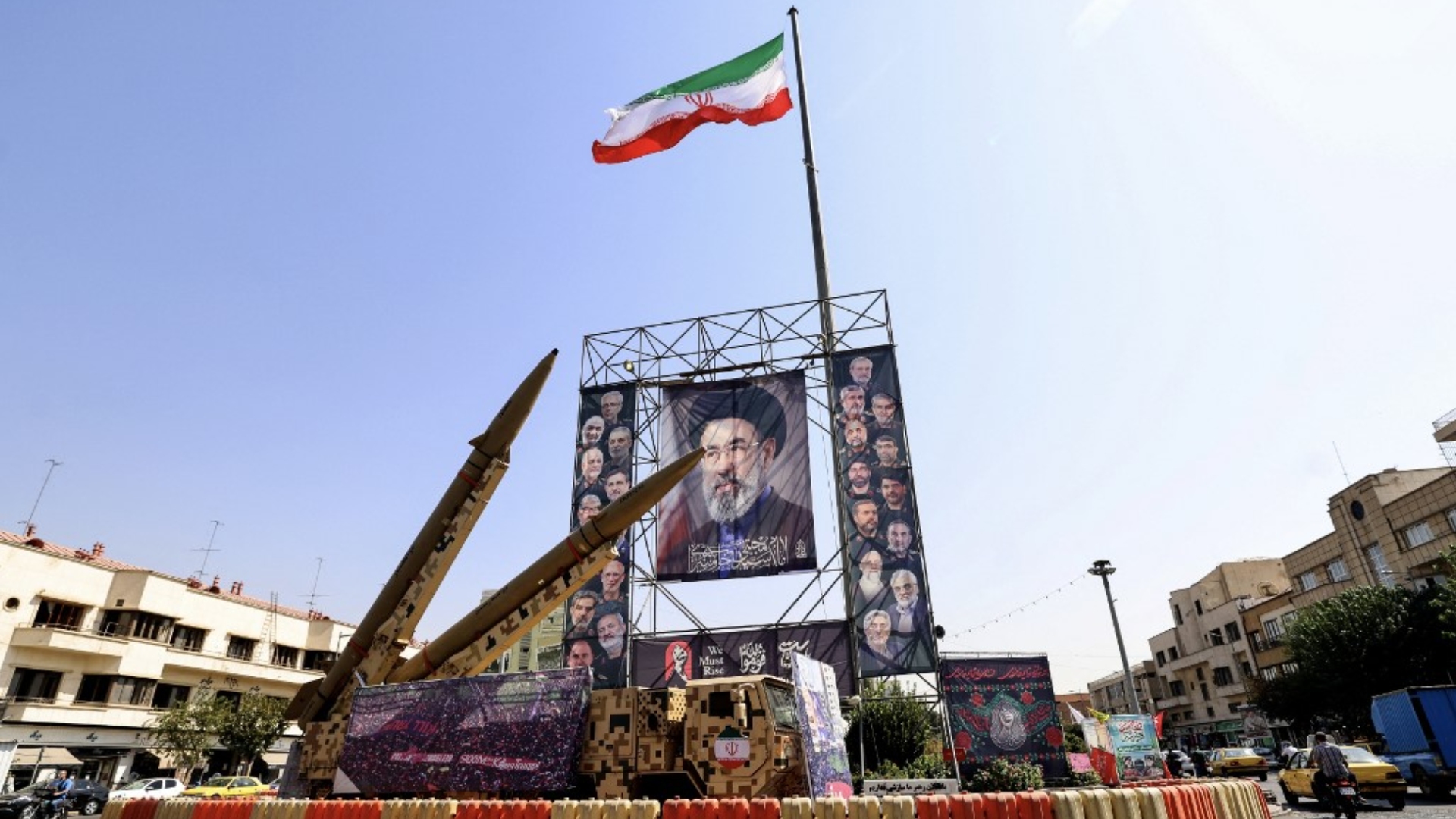
ERBIL (Kurdistan 24) - Iran’s Supreme Leader Mojtaba Khamenei said in a message marking the National Day of Fighting Global Arrogance on Wednesday that anyone who believes concessions to the United States will dissuade it from hostility toward Iran, or who hopes for a change in behavior or in party and factional shifts inside the US system, is gravely mistaken. He said the only way to reach absolute deterrence is to continue the strategy of “a stronger Iran,” with unity and social cohesion at its core.
The message, which circulated in Persian, said Iran’s management of the Strait of Hormuz and the destruction of US military bases in regional countries were a reaction to US aggression in what he called the “third imposed war.”
He described them at the same time as a first step in a struggle against arrogance on a regional scale, one that would take on far wider dimensions if the aggression is repeated. He pointed to the Gulf, and especially Hormuz, as the arena that had disproved the myth of US invincibility, and said the show of strength, together with the actions of the resistance front from Palestine and Lebanon to Iraq and Yemen, was a sign of a new world order. He said US power was in a state of irreversible decline.
He listed what he described as a long record of anti-Iranian actions, including support for separatist and armed opposition groups, support for Iraq’s Baath government in the 1980s war, the shooting down of a passenger plane, long-running sanctions, backing for unrest, the assassination of Gen. Qassem Soleimani, the seizure of Iranian assets abroad, and direct military attacks in the second and third wars, which he said killed commanders, scientists and civilians, among them his father and predecessor, Ali Khamenei. He said the latest US aim is to break up the country, bring down the system and destroy Iran’s civilization, and that it had run into the reality on the ground and the will of the Iranian people.
He called on the public and officials alike to keep national unity and urged officials to serve people with dedication and look after their livelihoods and dignity. He described young people, students and schoolchildren as the vanguard for building the country’s future, and urged them to replace despair with hope.
Rallies were held in more than 900 locations across Iran on Wednesday, with the central slogan “Pledge to the Martyrs; Struggle Against Global Arrogance,” according to the Iranian-linked AhlulBayt News Agency. The date, November 4 or Aban 13, marks the 1979 takeover of the US embassy in Tehran, the 1964 exile of Ayatollah Ruhollah Khomeini and the killing of students in 1978. The armed forces chief, Maj. Gen. Ali Abdollahi, issued a message the same day saying Iran would respond to every threat immediately and without geographic limitation.
The message came a day after the US carried out limited strikes on Iran’s Qeshm Island, and Trump said he was “not looking to kill lots of people” in Iran, but would if necessary. A senior Iranian official told Reuters on Tuesday that Iran would not accept Washington’s “excessive demands.” Qatari mediators are in contact with Tehran over a draft deal, and Iran says it could reopen Hormuz within two days if the US lifts its blockade and meets its demands.