Iraq Court Sentences MP Alya Nsaif and Former Salahaddin Governor to Prison
The rulings concern the abuse of public office for personal gain, with both defendants ordered to return 10 billion Iraqi dinars, amid a wider anti-corruption campaign targeting senior political figures
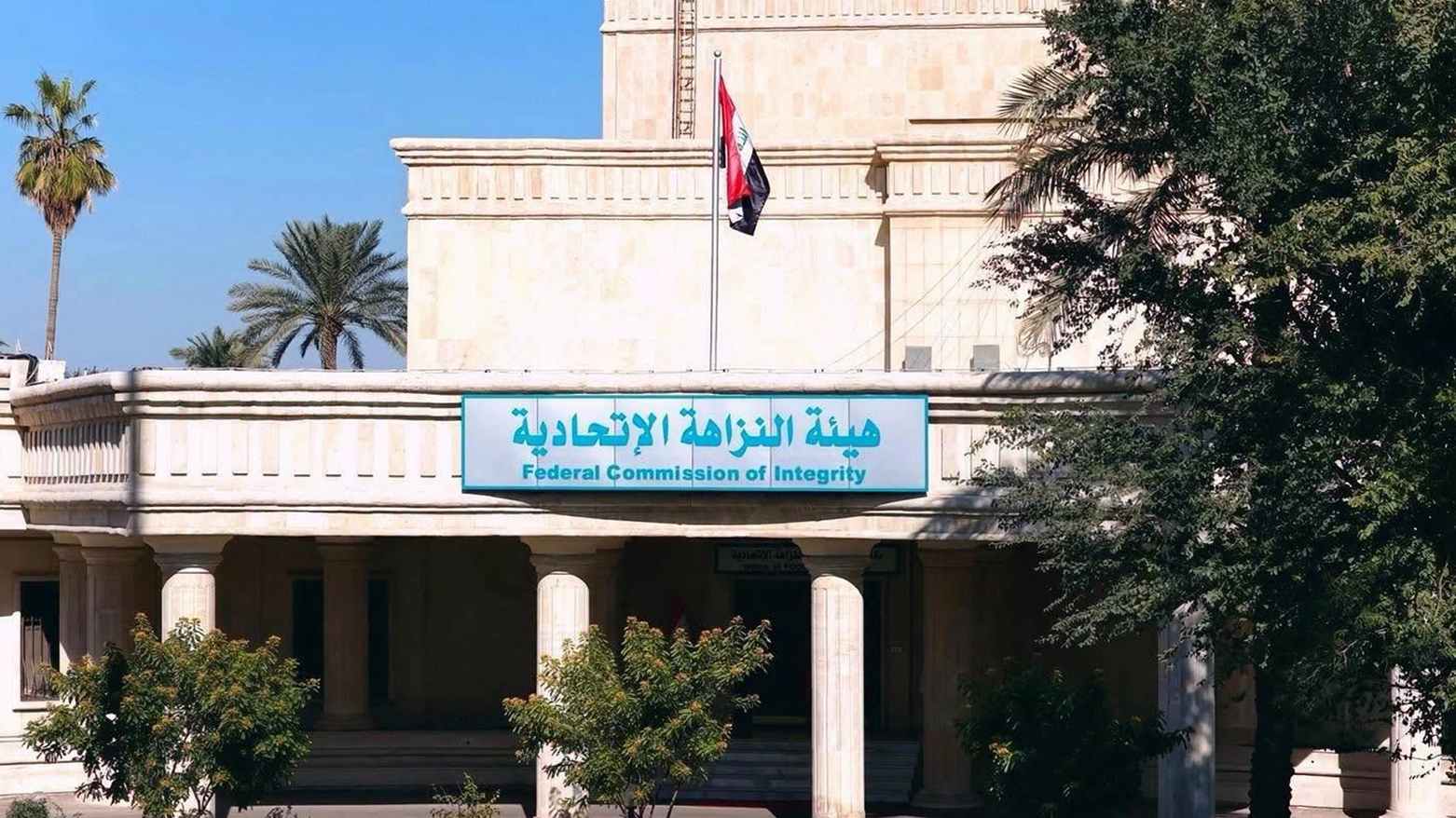
ERBIL (Kurdistan24) — Iraq's Federal Commission of Integrity announced that a court has handed prison sentences to Iraqi lawmaker Alya Nsaif Jasim and former Salahaddin Governor Raed al-Jubouri for exploiting their public positions for personal benefit, ordering both to return a combined 10 billion Iraqi dinars in funds linked to the cases.
The commission said the court imposed what it described as severe imprisonment sentences on Nsaif and al-Jubouri for abusing their official positions and using public office for private interests. It also ordered them to repay the financial gains, estimated at 10 billion dinars.
The commission specified that the Central Criminal Court for Combating Corruption sentenced Nsaif to two years in prison and al-Jubouri to five years. The two were also ordered to jointly and severally repay 10 billion dinars, which the authorities identified as financial benefits obtained through their positions.
The case concerns alleged interference in contracts, construction works, and procurement deals involving the North Refineries Company, with the defendants accused of influencing the awarding and disbursement of contracts to companies and individuals linked to them in order to obtain financial benefits.
The ruling is part of a wider corruption investigation linked to former Deputy Oil Minister Adnan al-Jumaili. In June 2026, Iraqi security forces arrested al-Jubouri following statements made by al-Jumaili during questioning.
The investigation focused on alleged financial irregularities and the misuse of public funds in projects involving oil-sector companies.
Nsaif has also faced a separate corruption conviction. In September 2026, Iraq's Federal Commission of Integrity announced that a court had sentenced her to seven years in prison for illicit enrichment and ordered her to return funds valued at more than 61 billion dinars, in addition to a financial penalty. That ruling was separate from the latest case involving the 10 billion dinars.
In another development, the Central Bank of Iraq ordered the precautionary freezing of the movable and immovable assets of 12 prominent political figures in August, including Nsaif, as part of ongoing corruption investigations.
The latest convictions come amid a broader anti-corruption campaign targeting current and former Iraqi officials, lawmakers, and individuals suspected of exploiting public positions and government contracts for financial gain.
The investigations have placed renewed attention on corruption risks in Iraq's public procurement system, particularly in the oil sector, where government contracts involve substantial public resources.