Senior KRG Official Links Kurdistan Parliament Reactivation to UN Review
KRG Coordinator for International Advocacy, Dindar Zebari said Kurdistan Parliament’s Reactivation on Nov. 4 strengthens the Region’s international standing, democratic governance and UN human rights follow-up.
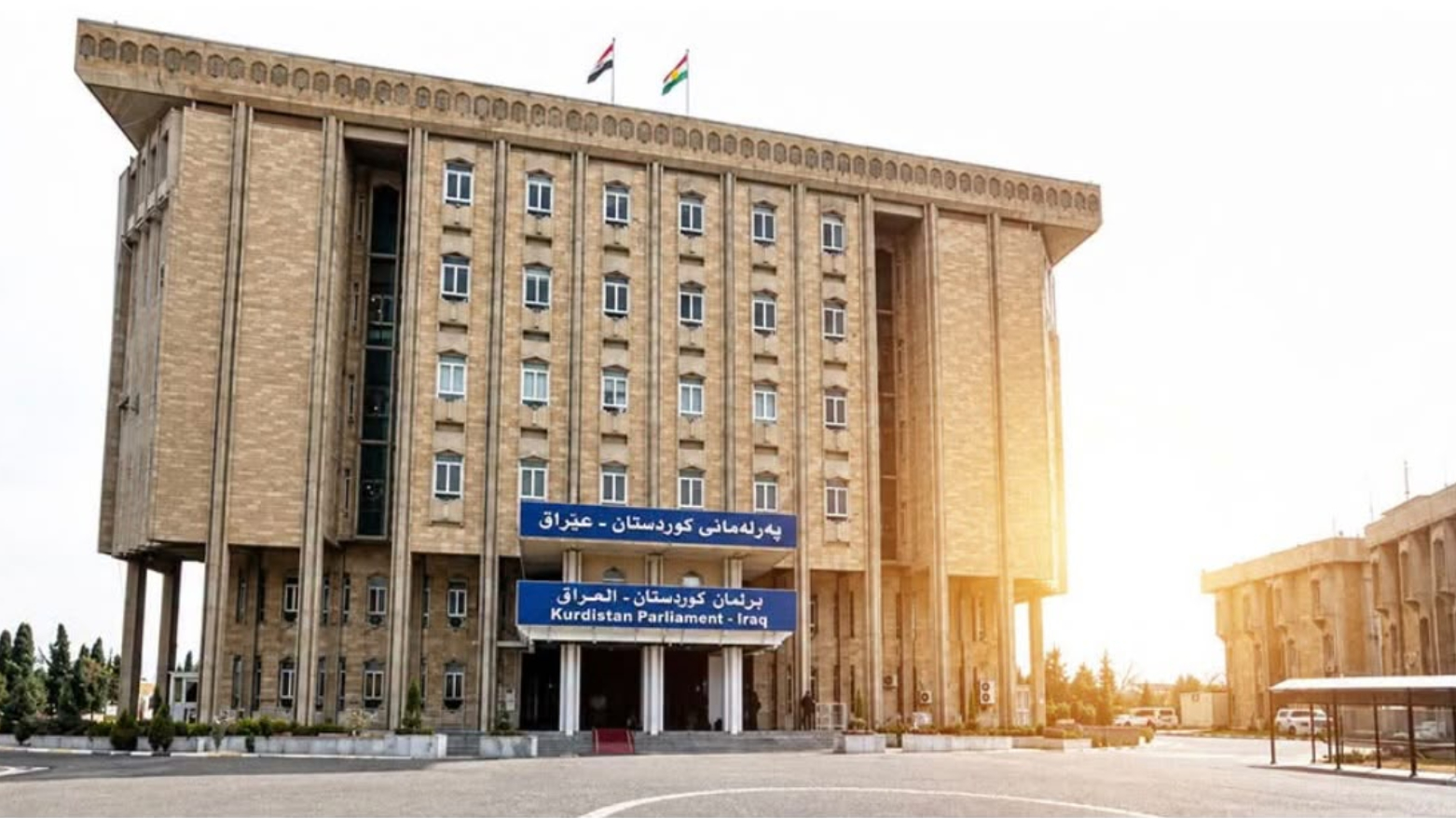
ERBIL (Kurdistan24) - Dr. Dindar Zebari, Coordinator for International Advocacy in the Kurdistan Regional Government (KRG), said the Reactivation of the Kurdistan Parliament is an important constitutional and institutional development and a significant step toward strengthening the Region’s international standing, advancing democratic governance, and enhancing its engagement with the international community, according to a press statement issued on Wednesday.
Zebari noted that the Reactivation of Parliament, within the framework of Articles 117 and 121 of the Iraqi Constitution, reinforces the constitutional and legal dimensions of the Kurdistan Region’s powers.
He said it also highlights the institution’s essential role in legislation, oversight of government performance, and strengthening democratic representation.
Zebari linked the significance of the development to Iraq’s international obligations, particularly the implementation of recommendations accepted during the fourth cycle of the United Nations Universal Periodic Review (UPR), held on Jan. 27, 2025.
He clarified that Iraq, as a UN Member State, retains primary responsibility for implementing the accepted recommendations and fulfilling its international obligations.
At the same time, federal and regional institutions are expected to contribute to their implementation, each within its respective constitutional mandates and responsibilities.
In this regard, the Kurdistan Parliament can play an important role by reviewing and developing legislation, overseeing the performance of ministries and government institutions, monitoring the implementation of relevant human rights recommendations, and holding responsible institutions accountable through parliamentary oversight.
Zebari said this role is particularly important in areas including women’s rights, the protection of component communities, freedom of expression, fundamental freedoms, the rule of law, and institutional accountability.
He added that the Reactivation of Parliament provides an opportunity to strengthen cooperation between the legislative authority and the KRG in developing and implementing human rights action plans, collecting relevant information and data, and demonstrating progress in international reporting, particularly in relation to the follow-up and implementation of UPR recommendations.
Concluding his statement, Zebari stressed that the Reactivation of the Kurdistan Parliament is not merely an internal political development.
It is also, he said, an important opportunity to reinforce constitutional federalism, advance democratic governance, and demonstrate the Kurdistan Region’s role and contribution to fulfilling Iraq’s international obligations and engaging with the United Nations human rights mechanisms.