UN Chief Warns Climate Extremes Are Becoming the New Global Reality
Guterres urges COP31 leaders to accelerate emissions cuts and fossil fuel transition as WMO warns 2026 is among the hottest years on record
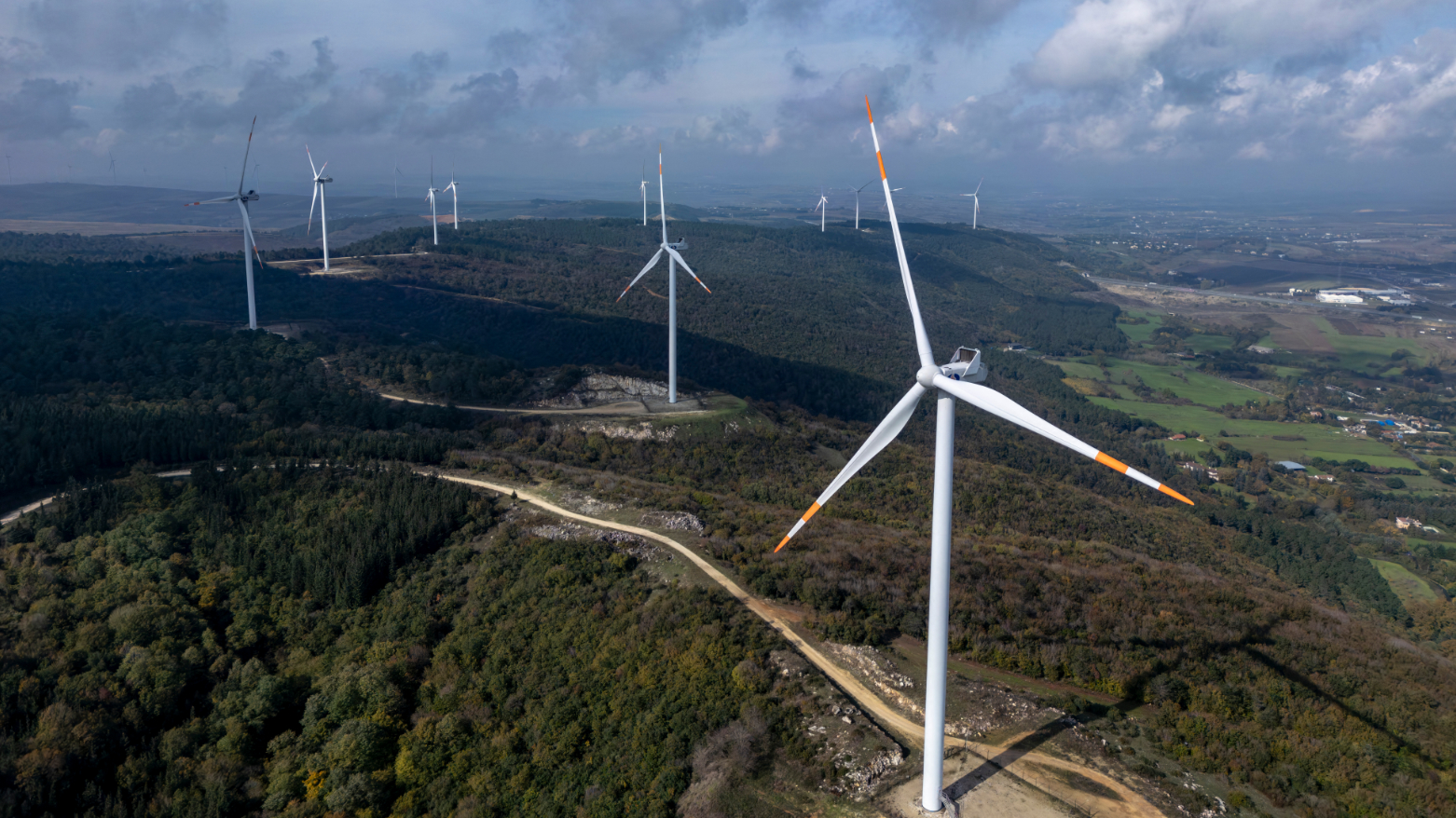
ERBIL (Kurdistan24) — United Nations Secretary-General Antonio Guterres warned on Monday that the world has entered a new era of extreme weather driven by human-induced climate change and an exceptionally strong El Nino phenomenon, urging world leaders at the COP31 climate conference in Türkiye to take more decisive action.
"A supersized El Nino is colliding with a planet already superheated by manmade climate change," Guterres said in a statement as world leaders gathered in Antalya for the UN climate summit.
"We have entered a new age of climate extremes," he warned, calling on governments to "get serious" by accelerating emissions reductions, advancing a just transition away from fossil fuels, and providing vulnerable countries with the financing and protection they need.
His remarks coincided with the release of a new report by the UN's World Meteorological Organization (WMO), which found that 2026 has continued a prolonged period of exceptional global temperatures, melting ice, and rising sea levels.
According to the agency, each of the past 12 years has ranked among the 12 warmest years ever recorded, with 2026 expected to be among the hottest on record.
Global Temperatures Reach Exceptional Levels
WMO Secretary-General Celeste Saulo described the latest climate indicators as unprecedented, saying the situation gave new meaning to the phrase "off the charts."
She warned that the exceptionally strong El Nino currently developing could intensify global heating and extreme weather events well into 2027.
"We should prepare for another record-breaking year in 2027," Saulo told reporters in Geneva.
The WMO reported that the global average surface temperature between January and September 2026 was approximately 1.47 degrees Celsius above the pre-industrial average.
The agency said the developing El Nino could push temperatures even higher before the end of the year. Preliminary data placed 2026 among the four warmest years on record, although the final ranking remains uncertain.
El Nino is a naturally occurring climate phenomenon characterized by unusually warm sea surface temperatures in the tropical Pacific Ocean. Saulo said the current event could be among the strongest recorded since at least 1950, with temperatures in parts of the tropical Pacific potentially reaching 3.8 degrees Celsius above average between now and January.
The phenomenon releases additional heat from the ocean into the atmosphere, potentially amplifying the effects of human-driven global warming.
Rising Seas and Accelerating Extreme Weather
The WMO also reported that global sea levels had reached a record high, freshwater resources were declining, and glaciers continued their long-term retreat.
In 2025, the annual loss of glacier ice was equivalent to filling five Olympic-sized swimming pools every second, according to the agency.
Saulo warned that the combination of global warming and El Nino was intensifying weather-related risks, including heatwaves, tropical cyclones, and heavy rainfall.
"We are supercharging our weather and El Nino will be a risk multiplier," she said, adding that extreme weather events were intensifying faster than historical climate models and preparedness systems had anticipated.
Despite the worsening indicators, the WMO highlighted progress in the expansion of early-warning systems designed to protect communities from multiple weather-related hazards.
The number of countries with essential multi-hazard early-warning systems increased from 55 in 2015 to 136 in 2025, according to the agency.
However, it stressed that further investment was needed in global observation networks, climate data collection, and forecasting capabilities to ensure vulnerable populations receive timely warnings.
"We cannot afford to fly blind," Saulo said, urging COP31 participants to strengthen international cooperation and investment in climate monitoring and early-warning infrastructure.
The warnings place renewed pressure on governments attending COP31 to translate climate commitments into concrete action, particularly on emissions reductions, energy transition, climate financing, and adaptation measures for countries most exposed to the effects of global warming.