Kurdistan's Honey Harvest Soars From 400 to Over 1,000 Tons in One Year
Kurdistan's honey production exceeds 1,000 tons in 2026, up from 400 tons last year, as 15,000 beekeepers celebrate an exceptional harvest and quality.
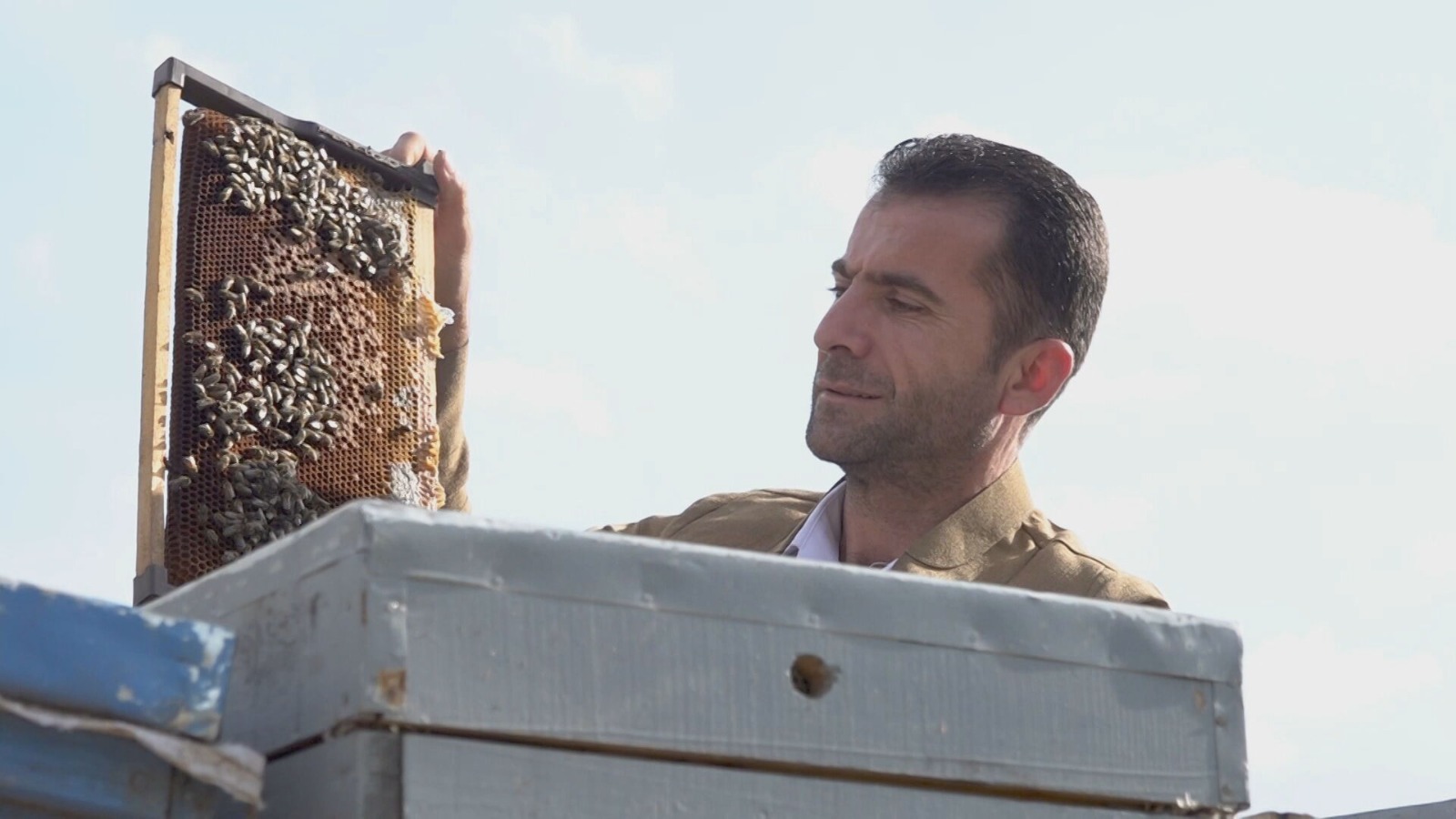
ERBIL (Kurdistan24) - After months of tending his bees, Sarwan Kamal has good reason to smile. This year's honey harvest has been so plentiful that the beekeeper is already looking ahead to next spring, carefully insulating his hives against the winter cold.
For Kamal, the work does not end when the honey is collected. Protecting the colonies through the colder months is essential if the next harvest is to match the success of this one.
"We can say that production this year has increased by around ten times compared with previous years," he told Kurdistan24 correspondent Abubakr Suleiman in the Soran Independent Administration.
His experience is part of a wider surge in honey production across the Kurdistan Region. According to the Kurdistan Beekeepers Network, output has climbed from approximately 400 tons last year to more than 1,000 tons in 2026.
The network estimates that roughly 15,000 beekeepers work across the Region, managing around 800,000 hives.
The figures show the scale of an activity sustained by people who must care for their colonies long before honey reaches shops and market stalls.
Preparing for Spring Before Winter Begins
Kamal's attention has already turned to the season ahead. He begins preparations in September and October, when protecting bees from disease and threats such as Varroa mites becomes an important part of managing the hives.
Insulation is another priority. As temperatures fall, he covers the hives to help the colonies endure harsh weather. During particularly cold periods, he moves them to warmer locations and brings them back when spring returns.
"To ensure an excellent season next year, our preparations begin early, in September and October," Kamal said, explaining that the work includes protecting the bees and insulating their hives using carefully planned methods.
The cycle demands patience. A successful harvest may bring welcome satisfaction, but it also leaves beekeepers responsible for keeping their colonies healthy until flowers and warmer weather return.
For Kamal, celebrating a strong season and preparing for the next are not separate tasks.
Each year's production depends on the care given to the bees in the months between harvests.

A Richer Selection in the Markets
The abundance is evident to honey sellers as well. Nafiz Nabi said this year's supply stands out for both its quality and the range of varieties available to customers.
"This year's honey is the finest and best we have seen in many years, and it has been supplied to the markets in abundance," Nabi told Kurdistan24.
He identified four main types currently sold: honey produced in modern box hives, honey from traditional hives known as "khalif," filtered liquid honey, and honey collected from wild tree-trunk hives.
The last variety has been especially plentiful this year, Nabi said. With different production methods come differences in appearance, flavor and price, giving buyers a choice that reflects how and where the honey is gathered.
Nabi did not provide specific prices, but explained that the cost varies by type. He welcomed the increased supply as good news for beekeepers and for customers seeking natural honey.
The range of products gives the season a character beyond its total tonnage. Honey from a traditional hive and honey from a modern box may reach the same marketplace, yet they arrive through different methods of beekeeping.

Local Harvest, Wider Recognition
Kurdistan's landscape and biodiversity are central to the reputation of its honey, providing bees with a variety of sources of nectar. The Region's honey has also gained recognition at international exhibitions and markets, extending its reputation beyond local buyers.
For the thousands of people involved in beekeeping, however, this year's remarkable figures are the result of work carried out close to home: tending colonies, managing threats to their health and protecting them through winter.
Production surpassing 1,000 tons marks a sharp increase from last year, although Kamal's reported tenfold rise refers to his own experience rather than the Region's overall growth.
Back among his hives, the beekeeper is already preparing for colder days. The honey may have been harvested, but the work of making another good year possible has begun.
Report by Abubakr Suleiman, Kurdistan24, Soran Independent Administration.