Thousands Return to School as Kurdistan Region Expands Education Campaign
Kurdistan Region's Education Ministry says 8,836 students returned to school in 2025-2026, bringing total re-enrollments under the ninth cabinet to 42,107.
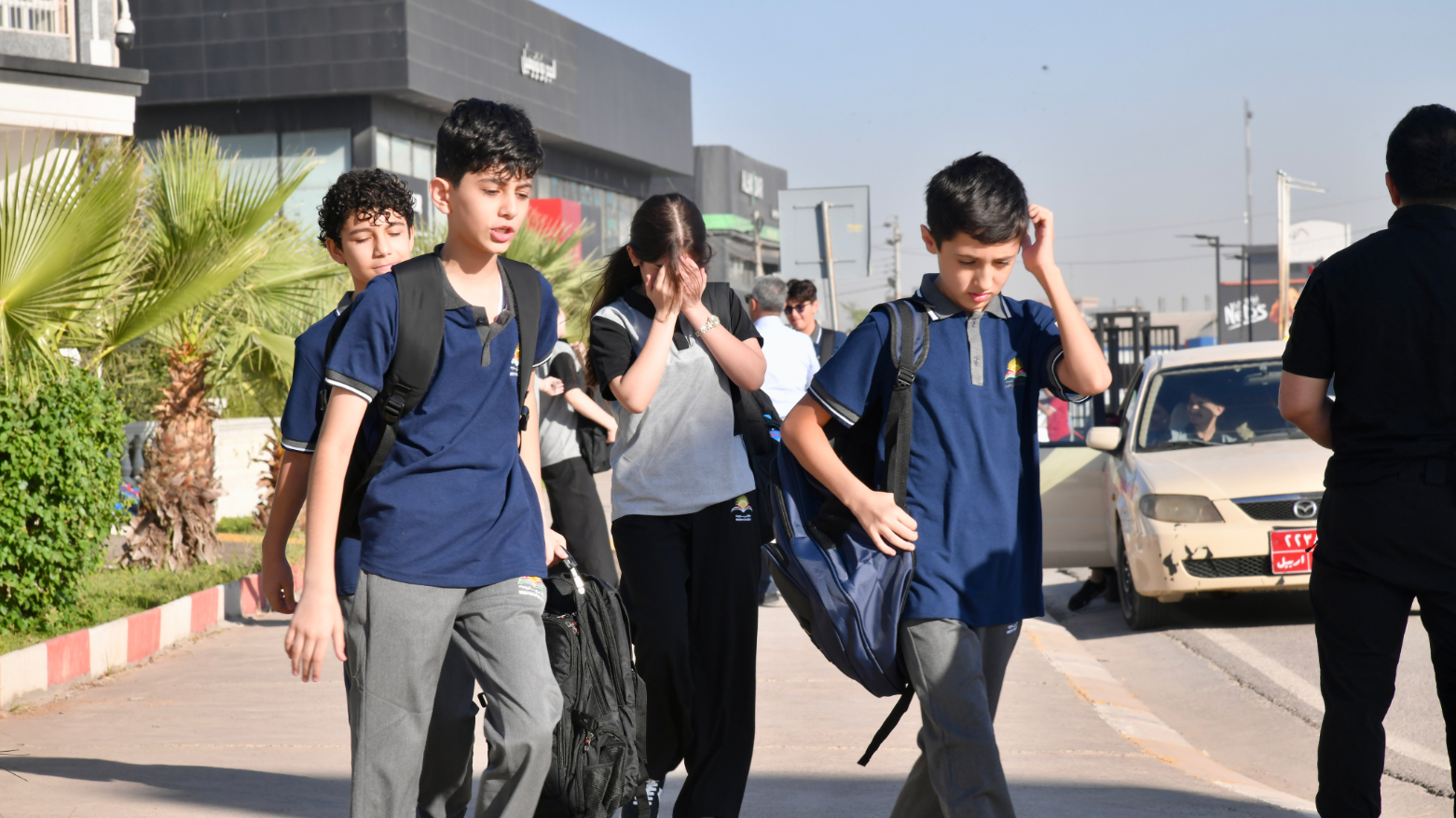
ERBIL (Kurdistan24) - A total of 8,836 students who had previously dropped out of school returned to classrooms across the Kurdistan Region during the 2025-2026 academic year, according to the Kurdistan Regional Government's Ministry of Education, as authorities intensify efforts to prevent children from abandoning their studies.
The figure brings the number of students returned to education during the KRG's ninth cabinet to 42,107, reflecting a sustained campaign by the ministry in coordination with relevant authorities and the United Nations Children's Fund (UNICEF).
Hassan Sartip, Director General of Educational Programs, told Kurdistan24 that leaving school before completing an education has consequences beyond the classroom, affecting both individual prospects and society.
"Dropping out of or abandoning education is one of the problems that negatively affects the future of both individuals and society, particularly students who are enrolled in school but leave before completing their stages of education," Sartip said.
Why Students Leave School
Sartip identified a combination of financial, family, health and educational pressures that can push students out of the school system.
"The reasons include economic hardship and poverty, health problems, social and family circumstances, distance from schools, poor academic performance, and a lack of supervision and follow-up," he explained.
The range of factors means a student's decision or inability to continue attending classes cannot be attributed to one cause alone.
Some barriers arise outside the classroom, while others relate directly to academic progress and whether students receive sufficient attention when difficulties emerge.
By identifying those circumstances, education officials aim to intervene before an absence becomes a permanent departure from school.
Accelerated Learning
The Ministry of Education is pursuing measures intended both to bring former students back and to keep those currently enrolled from dropping out.
"Continuous monitoring of students, maintaining contact with families, expanding literacy eradication programs, and accelerated learning are among the measures being implemented," Sartip said.
Regular follow-up and communication with parents are intended to help schools recognize attendance problems and respond to circumstances affecting a student's education.
Accelerated learning and literacy programs are also part of the ministry's approach to reaching people whose schooling has been interrupted.
Ministry statistics put the illiteracy rate among people older than 10 in the Kurdistan Region at 16.23%.
That figure describes a wider literacy challenge and is separate from the number of children and young people who have returned to school.
The ministry's return-to-school efforts are therefore part of a broader educational agenda that includes improving access to learning and addressing gaps in basic literacy.
Annual Campaign With UNICEF
Each year, the Ministry of Education works with UNICEF on a back-to-school campaign launched on Sept. 8, International Literacy Day.
The initiative seeks to reconnect children and students with education and has helped thousands return to learning.
The campaign combines the work of government institutions and other relevant parties, reflecting the ministry's position that dropout prevention cannot rest on teachers and school administrators alone.
"This is not only an educational problem, but also a social problem, and addressing it is the responsibility of all parties," Sartip said.
With 8,836 students returning during the latest reported academic year, education officials are emphasizing both the recovery of interrupted schooling and the need for continued attention to the circumstances that cause students to leave in the first place.