Iran Bars IAEA Access to Bombed Nuclear Sites Until War Ends, US Meets Conditions
Tehran says inspections will remain suspended until the conflict is permanently over and Washington fulfils its demands, as military tensions rise and diplomatic efforts continue
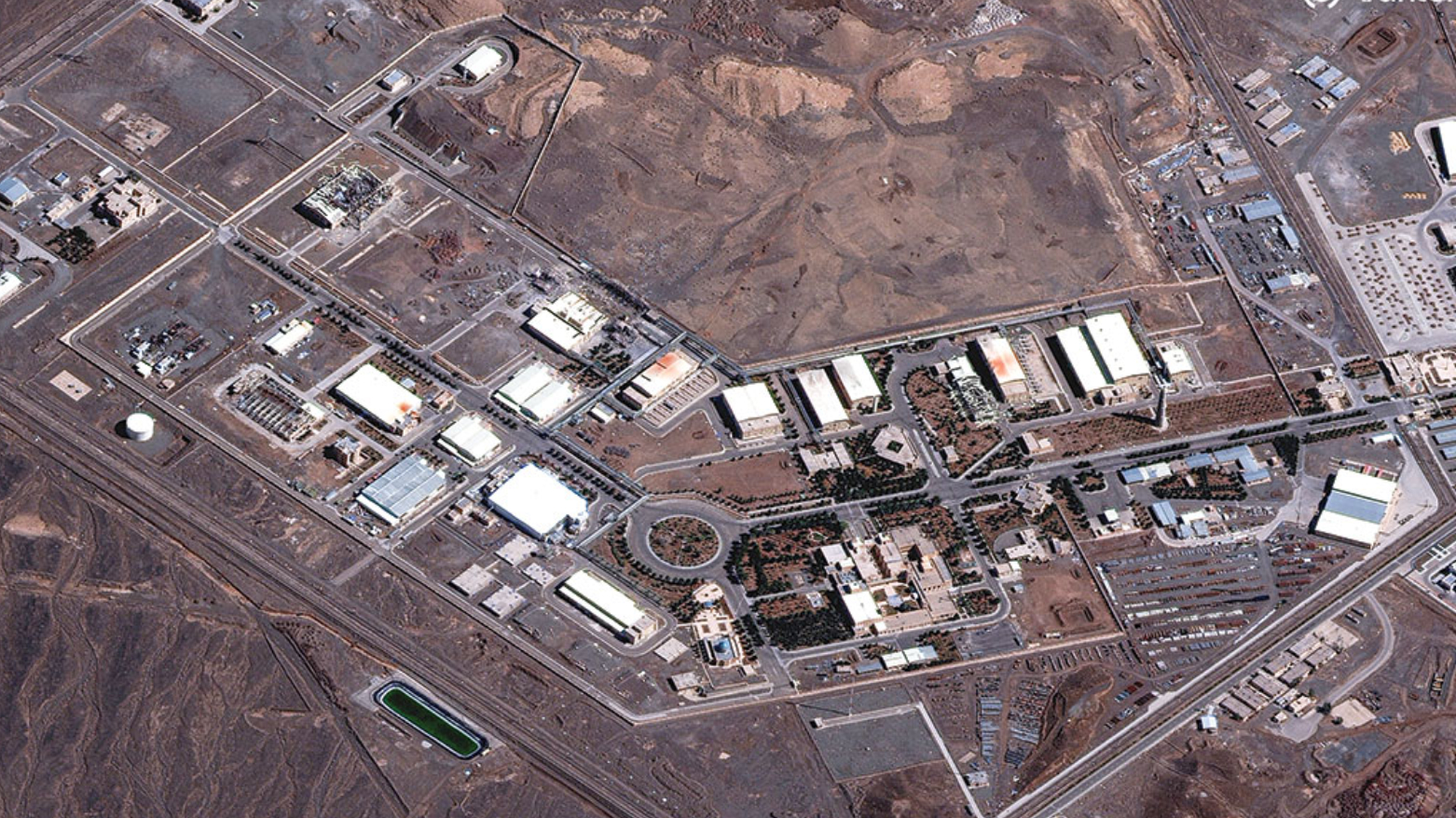
ERBIL (Kurdistan24) — Iran will not allow international nuclear inspectors to access its damaged nuclear facilities until the Middle East war has permanently ended and the United States meets Tehran’s conditions, a senior Iranian official said, further complicating efforts to revive international monitoring of the country’s nuclear program.
Deputy Foreign Minister Kazem Gharibabadi made the remarks in a televised interview late Sunday, days after the International Atomic Energy Agency (IAEA) urged Iran to take steps towards resuming inspections suspended following last year’s 12-day war with Israel, during which the United States also struck Iranian nuclear sites.
“We will not grant the IAEA access to the facilities until Iran's conditions are met and the war has permanently ended,” Gharibabadi said.
Iranian nuclear facilities were struck again during the wider Middle East conflict, which began on February 28 with joint US-Israeli attacks that killed Supreme Leader Ayatollah Ali Khamenei.
Although IAEA inspectors visited the Bushehr nuclear power plant in September, they have not been granted access to other damaged facilities, including Natanz, Fordow and Isfahan.
Gharibabadi questioned the agency’s request to inspect the sites, suggesting that it was “likely aimed at assessing the effectiveness of American weaponry” rather than solely verifying Iran’s nuclear activities.
The dispute underscores the growing challenge facing international efforts to monitor Iran’s nuclear program as the conflict continues and diplomatic negotiations remain stalled.
Tehran has said discussions over its nuclear program would take place at a later stage, while prioritising demands that Washington unfreeze Iranian assets and lift sanctions.
Iran has also linked the reopening of the Strait of Hormuz, a critical route for global energy shipments that it has blockaded during the conflict, to the fulfilment of its demands.
Meanwhile, military tensions have continued across the Gulf. The USS Theodore Roosevelt aircraft carrier arrived in the Middle East on Sunday, bringing the number of US aircraft carrier strike groups operating within the US Central Command’s area of responsibility to three.
The carrier’s arrival followed an Iranian drone attack on Sunday against a base in Bahrain that hosts US military assets. The Islamic Revolutionary Guard Corps (IRGC) said it had launched drones towards the site, marking Tehran’s first reported strike on a Gulf state in several weeks.
Iranian state television also reported that five ships had struck mines and caught fire over the previous 48 hours, without identifying the vessels.
Separately, the UK Maritime Trade Operations said Indian shipping authorities had reported an attack on a tanker in the Gulf. The crew were safe, although the extent of the damage remained unclear.
The IRGC also claimed on Friday that it had destroyed a US early-warning radar system in Bahrain. US Central Command, however, said it had intercepted two Iranian drones launched towards the area.
Diplomatic efforts to end the conflict have so far failed to produce a breakthrough. Iranian Foreign Minister Abbas Araghchi is scheduled to visit Muscat on Tuesday for talks with his Omani counterpart, as regional and international actors continue to seek a way to contain the war.
The diplomatic activity comes ahead of an expected meeting between US President Donald Trump, Russian President Vladimir Putin and Chinese President Xi Jinping in Asia this week, placing the conflict and its wider international implications against a backdrop of high-level geopolitical discussions.