Iraqi Analysts: Jurf al-Sakhar Operation Aims to Strengthen State Authority, Not Spark Conflict
Both analysts dismissed the possibility of a confrontation between federal forces and armed groups, saying efforts were underway to contain tensions and prevent escalation.
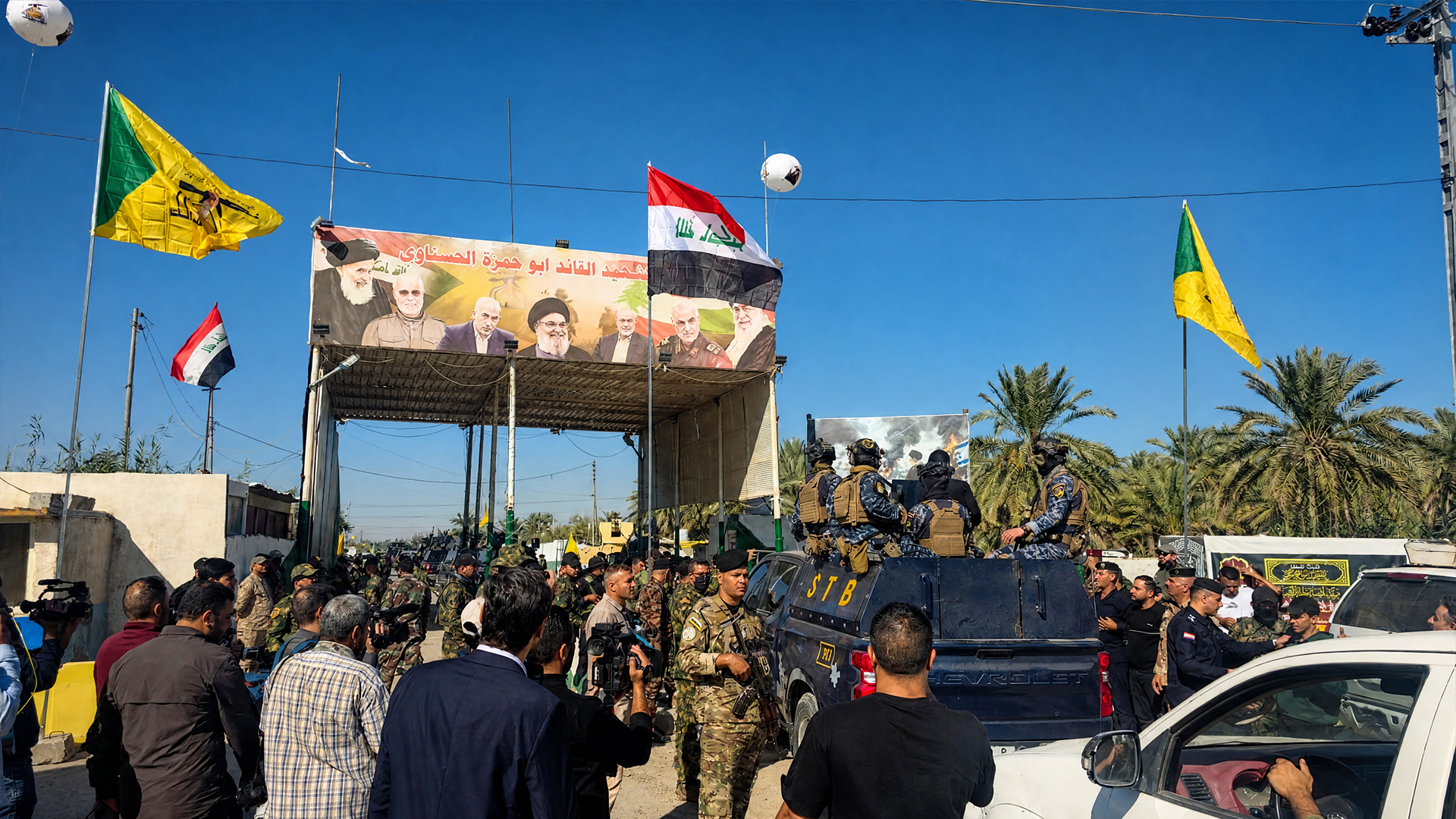
ERBIL (Kurdistan24) – Two Iraqi political analysts have said that the ongoing security operation in Jurf al-Sakhar is part of the federal government's reform agenda and efforts to bring all weapons under state control, dismissing concerns that the developments could trigger a civil war.
Haider Barznji, a political analyst and president of the Baghdad-based Naram-Sin Foundation for Dialogue and Community Development, and Manaf Mousawi, head of the Baghdad Center for Strategic Studies, made the remarks in separate statements to Kurdistan24, discussing the deployment of federal security forces to the area and its broader implications.
Barznji rejected claims that the operation was carried out under direct US pressure, describing it as an Iraqi decision based on reports from security agencies concerning oil smuggling and other violations in the area.
He said the move was consistent with the government's program and broader efforts to consolidate armed forces and ensure that weapons remain exclusively under state control.
Mousawi also linked the developments to Prime Minister Ali al-Zaidi's government program, emphasizing that extending state authority across all areas and addressing security concerns through established mechanisms were among the administration's main priorities.
Regarding possible foreign pressure, Mousawi said he did not have sufficient information to confirm such claims. However, he stressed that the decision had been made by the Commander-in-Chief of the Armed Forces and was in line with the government's agenda.
No Risk of Civil War
Both analysts dismissed the possibility of a confrontation between federal forces and armed groups, saying efforts were underway to contain tensions and prevent escalation.
"No force is stronger than the state's forces, and neither the religious authority nor political parties would accept a war," Barznji said.
He added that Kata'ib Hezbollah had explicitly stated it would not initiate a conflict, explaining that the current process involved the rotation and replacement of security forces, with legal action to be taken against anyone violating the law.
Mousawi similarly said that responsible political voices had worked to contain the situation, adding that developments were moving toward stability.
Government Plans Rehabilitation and Return of Displaced Residents
Barznji said the Iraqi government had prepared a plan to rehabilitate Jurf al-Sakhar, including clearing landmines and remnants of the war against ISIS, restoring public services, and facilitating the return of the area's original residents and displaced families.
He said further details of the plan were expected to be announced once the process of replacing security forces had been completed.
Iran's Mediation and the PMF's Role
Addressing Iran's involvement, Barznji said Tehran's role had been limited to mediation efforts requested by certain Iraqi political forces.
He explained that Iran had used its relations with armed groups to help prevent tensions from escalating into a confrontation.
Barznji also stressed that the developments should not be interpreted as an attempt to weaken the Popular Mobilization Forces (PMF).
He described the PMF as an official force operating under the authority of the Commander-in-Chief of the Armed Forces, characterizing the current developments as a routine military reorganization and rotation within the broader framework of Iraq's security reforms.