Mossad Chief Pressed Washington For Renewed Strikes On Iran
Israel’s spy chief presented intelligence and urged a multiday air campaign as Gulf states push for a deal, and Republicans pause the Pentagon’s extra funding request after Democrats’ midterm gains
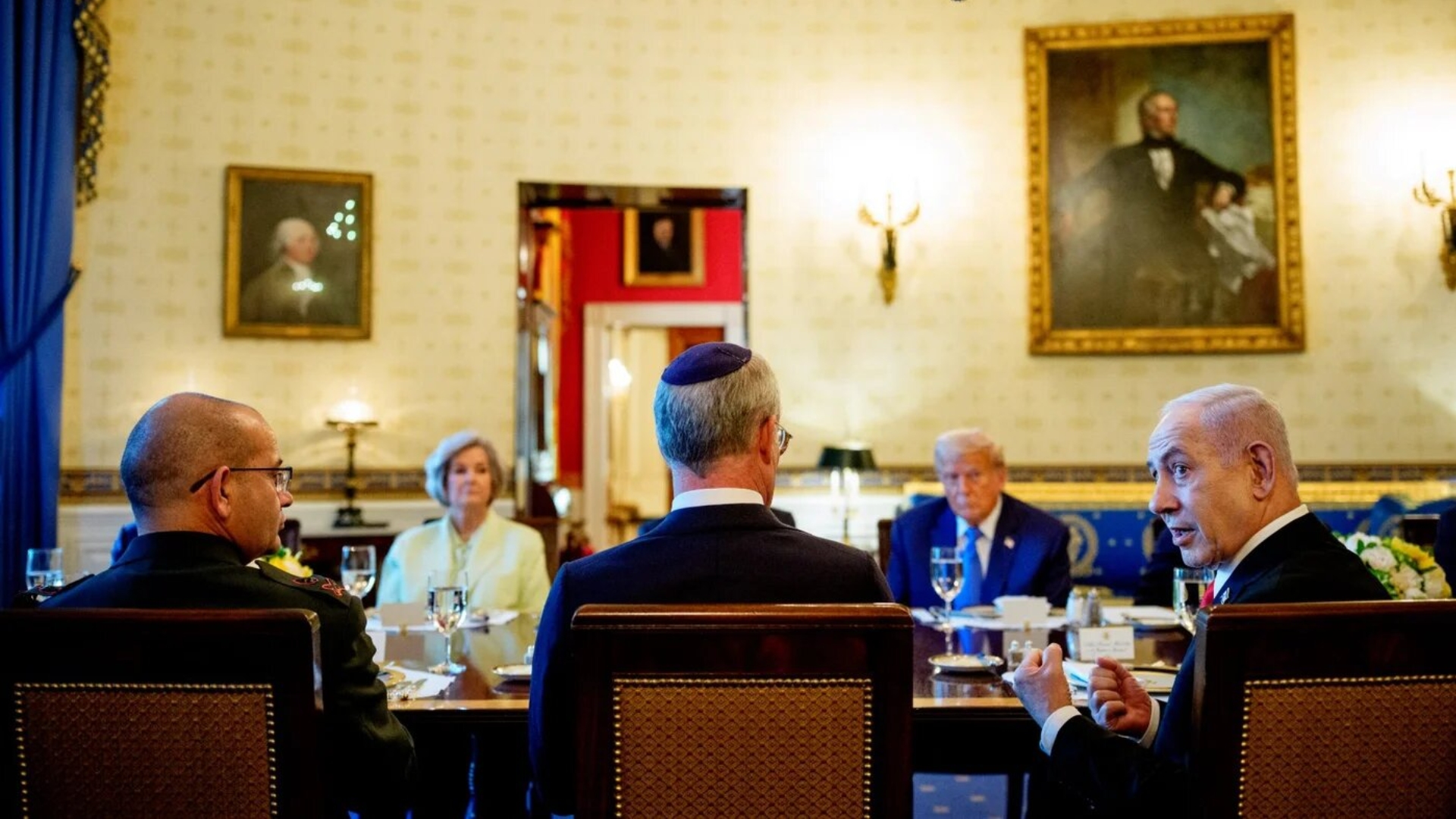
ERBIL (Kurdistan 24) - The head of Israel’s Mossad, Roman Gofman, pressed senior Trump administration officials in Washington last Friday for renewed US-Israeli strikes on Iran, according to people familiar with the matter cited by The Wall Street Journal.
Gofman, a close confidant of Prime Minister Benjamin Netanyahu, met CIA Director John Ratcliffe and other officials, presented Israeli intelligence on Iran’s nuclear program, and advocated a new multiday air campaign, the people said.
Reuters reported on Wednesday that he also met US envoy Steve Witkoff, and that Netanyahu’s close ally Ron Dermer was lobbying in Washington at the same time.
Netanyahu has pushed for renewed attacks for months and says Israel’s goal remains toppling the Iranian regime, while Gulf countries led by Qatar, worried about Iranian retaliation against their infrastructure, are pushing for negotiations and a deal, efforts that remain stuck.
A US official told the Journal that economic pressure has been so effective that Trump does not need major combat operations, though the US retains all its options to stop Iran getting a nuclear weapon, and the decision rests with Trump, who has swung between threats of intensive strikes and a wish for a deal.
Many analysts doubt that new strikes would push Iran to a deal or topple the regime. Iran and the US continue to exchange fire at a lower intensity, with Iran firing at ships in the Strait of Hormuz and the US quietly striking Qeshm Island, and the US now has three aircraft carriers in the region and has moved many assets to Israel, which is considered safer after Iranian attacks damaged US bases and radars.
The prime minister’s office did not respond to a request for comment and the CIA declined to comment.
Netanyahu is a caretaker prime minister, having lost his majority in last month’s election, and the opposition, led by former general Gadi Eisenkot, is working to build an alternative coalition, after electing a new Knesset speaker this week. Opposition leaders have said they fear Netanyahu could start military operations to stay in power, which he rejects, and some current and former Israeli security officials told the Journal they share the concern.
Netanyahu had earlier pushed for renewed operations before the election and met opposition from the army chief of staff, Eyal Zamir, who worried about timing and escalation, according to people familiar with the matter.
In Washington, Senate Republicans are suspending their effort to pass $350 billion in additional military spending to pay for the Iran war and other priorities before their party loses control of Congress in January, the Journal reported, weeks after Democrats won large majorities in the House and Senate amid a backlash to the war and high prices.
The Pentagon asked in April for the package, which included money for a missile shield, ships, aircraft, satellites and replacement munitions, on top of a base budget of $1.1 trillion.
Republicans, who hold 53 Senate seats, would have had to use budget reconciliation, which needs only a simple majority but demands near unanimity and a long amendment process in which Democrats can force politically painful votes.
Senator Thom Tillis said he does not think “we have the votes yet,” and House Armed Services Committee Chairman Mike Rogers said the package “is not going to happen” and would need to shrink to about $100 billion, while Defense Secretary Pete Hegseth said the Pentagon needs $350 billion at a minimum.
Senator Rand Paul called it a tone-deaf move after the midterms, in which more than six in 10 voters said the US was wrong to take military action against Iran, according to a poll for the Associated Press and television networks.
Republican senators decided after private talks on Tuesday to try to pass military spending with Democrats before going the one-party route, with government funding due to lapse after December 11.
Some Democrats have discussed making a ban on war spending a condition of funding the government, Senator Chris Van Hollen said Democrats should at least get an amendment vote, and Senate Democratic leader Chuck Schumer said they do not want a shutdown and that Republicans must work with them.
Deputy Defense Secretary Steve Feinberg made a last pitch to Republicans and offered Democrats a classified briefing, and the Pentagon is looking at moving multiyear programs such as munitions, aircraft and Trump’s Golden Dome missile shield into its base budget.