Historic Koya House to Become International Arts and Cultural Center
Historic 'Hawshi Gawra' in Koya is planned as an international arts center, bringing Kurdish and foreign artists together while preserving the city's heritage.
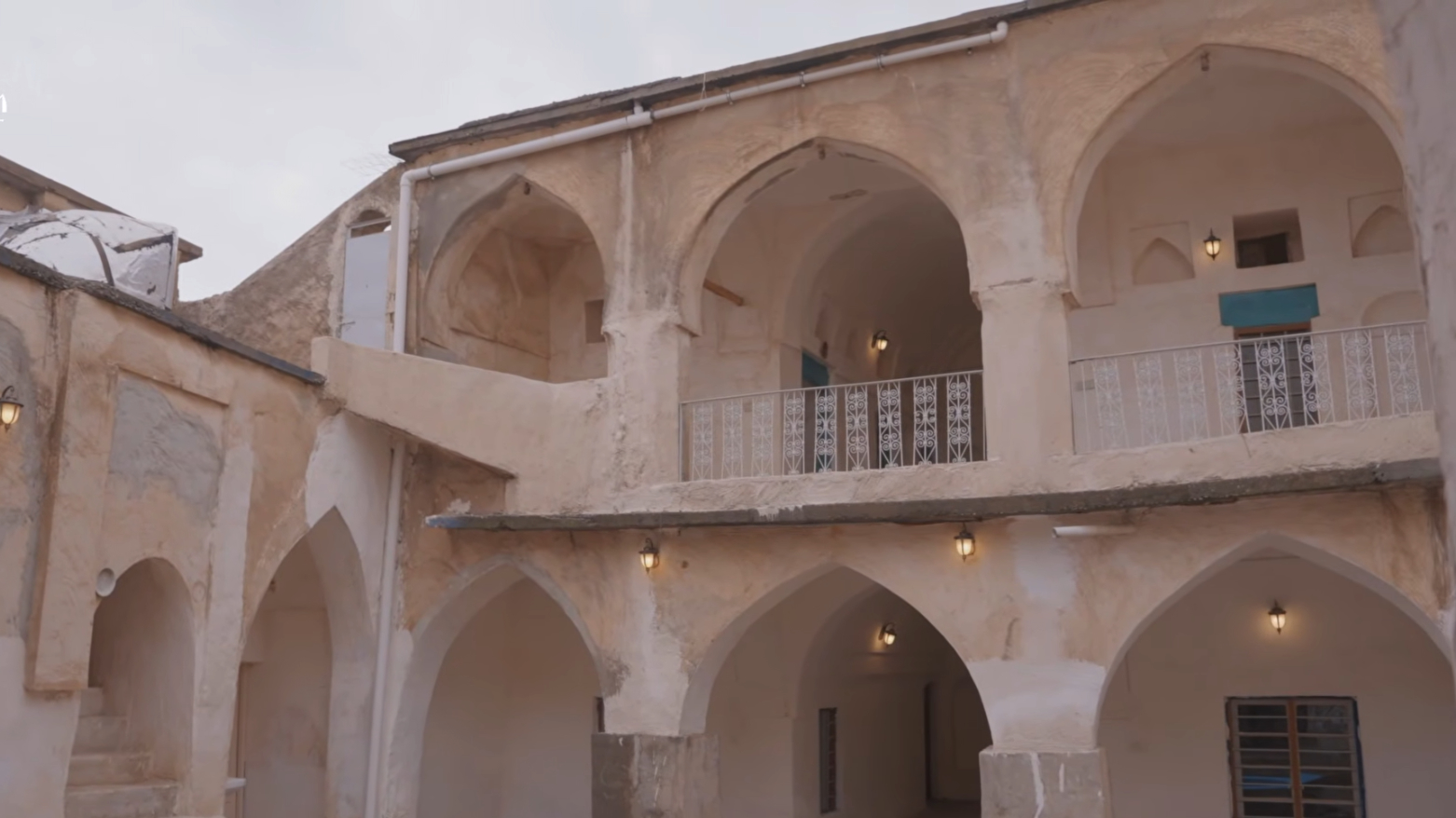
ERBIL (Kurdistan24) - A historic building in Koya that once served as a family home before becoming a school is set to begin a new chapter as an international arts center, under an initiative aimed at preserving the city's architectural heritage while creating opportunities for cultural exchange between Kurdistan and the wider world.
Karokh Hama Saeed, a prominent resident of Koya and an advocate for preserving the city's history, hopes to transform the building, known as Hawshi Gawra, or "Great Yard," into a destination for artists from Kurdistan and abroad.
According to an inscription on the building, it dates to 1209 AH, making it more than two centuries old.
"At first, this place was built as a house, called Haji Taha's house," Saeed told Kurdistan24. "Later, it became a school in Koya, called Hawshi Gawra."
The building's transition from a private residence to an educational institution reflects its changing place in the city's life. Saeed now envisions another transformation, one that would preserve its historical identity while introducing a new cultural purpose.
His plans involve establishing an international center for fine arts and other artistic disciplines, where visiting artists could present their work and interact with local audiences.
"This will become an international fine arts and diverse arts center," he said, explaining his ambition to invite artists from Germany, elsewhere in Europe and other countries to exhibit their creations in Koya.

The objective, he explained, is reciprocal cultural exchange: introducing local audiences to artistic developments abroad while providing international visitors with opportunities to discover the work of Kurdish artists.
For Saeed, however, the project is about considerably more than organizing exhibitions. It is rooted in his personal attachment to Koya and his belief that protecting historic buildings is essential to preserving Kurdish identity.
"I was born in this city," he said, expressing concern that neglecting its architectural and cultural heritage would gradually erase important parts of Kurdistan's history.
"If any nation does not protect its history, it cannot protect its future," he added.
Saeed also appealed to investors and members of the Kurdish diaspora with the financial means to support heritage preservation initiatives.
His appeal extends beyond Koya. He specifically mentioned Kifri, another town with historic buildings that he believes deserve similar attention and protection.
Rather than allowing such places to deteriorate or disappear, he wants those with resources to invest in safeguarding them for future generations.
The proposed transformation of Hawshi Gawra reflects that ambition: retaining a building associated with Koya's past while giving it a purpose connected to the city's cultural future.
For Saeed, the underlying principle remains straightforward: protecting Kurdistan's history is inseparable from protecting what future generations will inherit.