UN Calls for Probe into Drone Attacks on Ships off Libya
Two vessels, including a Russian ship and a Maltese-flagged vessel, were targeted by explosive-laden sea drones off Benghazi, raising concerns over the spillover of the Russia-Ukraine war into the Mediterranean
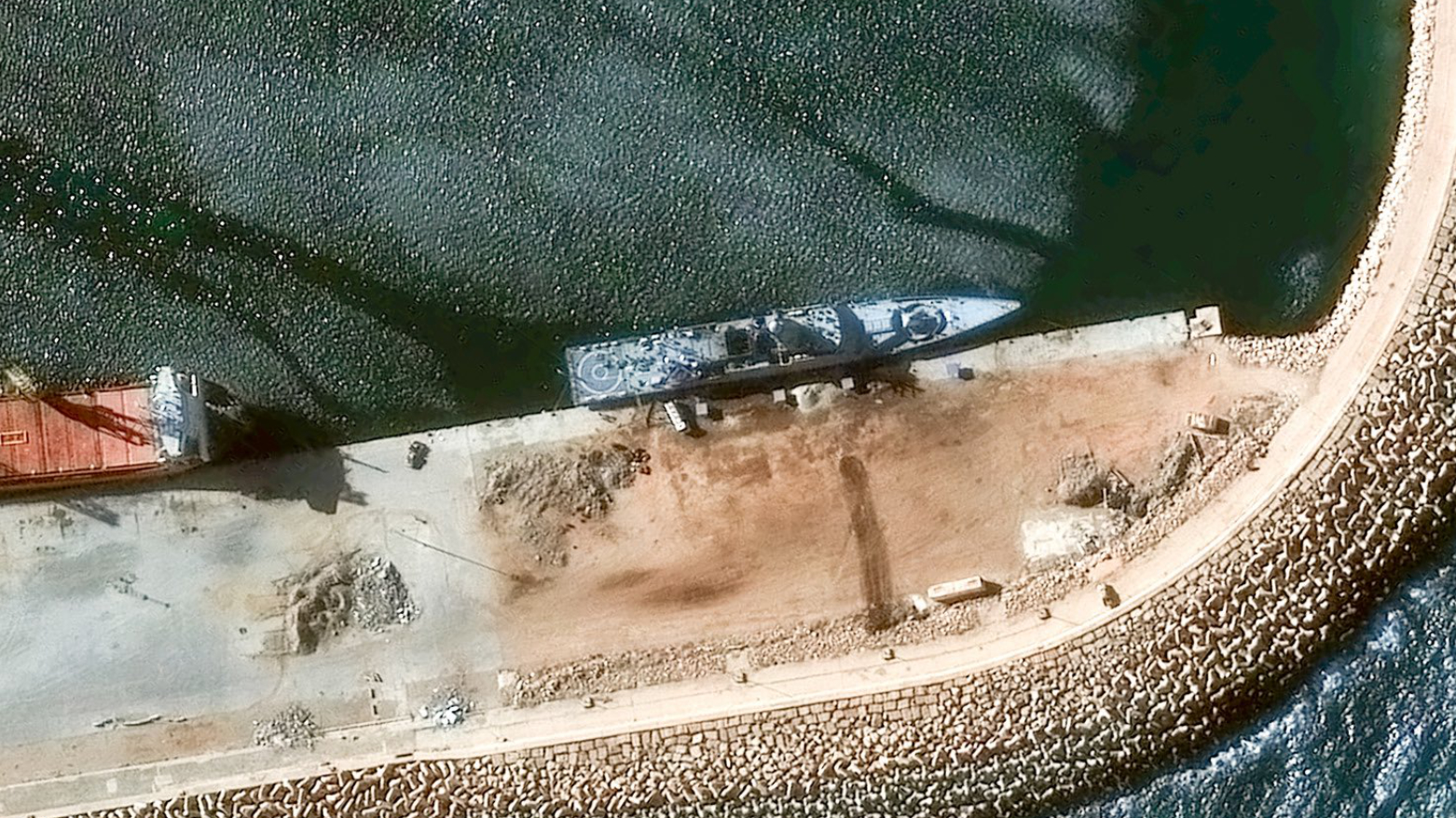
ERBIL (Kurdistan24) — The United Nations on Monday called for an independent investigation into drone attacks on two vessels off Libya's eastern coast, including a Russian ship, warning that the country must not become an arena for foreign conflicts as tensions linked to the Russia-Ukraine war extend beyond the battlefield.
The attacks occurred on Sunday off the port city of Benghazi, where explosive-laden sea drones struck the vessels. No group immediately claimed responsibility for the attacks, and the identities of those behind them remained unclear.
Libyan authorities said all crew members had been rescued and were receiving medical treatment for minor injuries. Reports identified the second vessel as sailing under the Maltese flag.
The United Nations Support Mission in Libya (UNSMIL) expressed "serious concern" over the incidents, calling for an "immediate, independent and transparent investigation."
"Libya cannot afford, and must not become a battleground for foreign conflicts," the mission said in a statement published on X.
Libya's eastern administration said the targeted Russian vessel had been heading back to Russia and had stopped at the port for refuelling and resupply. It added that a joint investigation with Russia would be launched to establish the circumstances of the incident.
Libya Alhadath television subsequently reported that naval and air force units had intercepted more than 12 explosive-laden sea drones off Benghazi.
Earlier reports had indicated that an explosion and fire occurred at a naval facility, but eastern authorities later clarified that the explosion had taken place aboard the Russian vessel while it was docked at the port.
The rival, UN-recognized government in Tripoli also expressed alarm over the incidents, warning of the risks associated with involving civilian ports and facilities in activities connected to external conflicts.
It rejected any attempt to turn Libya into an arena for international confrontations or use its territory for military and logistical activities that could threaten its security and sovereignty.
The attacks came amid an escalation in Ukrainian operations targeting Russian assets far beyond the front lines. On Saturday, a drone struck a Russian cargo ship in the eastern Baltic Sea, near Finnish waters, with Finland's Border Guard identifying Ukraine as responsible for the incident.
In March, a Russian liquefied natural gas carrier sank off the Libyan coast following an attack that Russian President Vladimir Putin blamed on Ukraine. The vessel was reportedly part of Russia's so-called "shadow fleet," a network of ships used to transport Russian oil and gas while circumventing Western sanctions and restrictions.
Ukraine has previously acknowledged attacks on vessels associated with the fleet, including in the Mediterranean in December.
Meanwhile, Ukraine said on Monday that Russian strikes had killed at least 12 people in the Kyiv region, including in attacks on a residential apartment building and a supermarket, underscoring the continuing intensity of the war.
The conflict began with Russia's full-scale military operations in Ukraine in February 2022 and has since killed hundreds of thousands of people and displaced millions. The growing use of drones and attacks on maritime assets have increasingly extended the conflict's security implications beyond the immediate war zone.
Libya's vulnerability to such developments is compounded by more than a decade of political division and instability following the 2011 overthrow of longtime leader Muammar Gaddafi.
The country remains split between the UN-recognized government in Tripoli, led by Prime Minister Abdulhamid Dbeibah, and a rival eastern administration backed by military commander Khalifa Haftar, complicating efforts to maintain unified national security and prevent the country from being drawn into external conflicts.