Kurdish Unity Is Crucial to Protecting the Region’s Constitutional Rights, Article 140 Representative Says
Dzhwar Faiq welcomes KDP-PUK unity, urging Baghdad to resolve disputes with the Kurdistan Region through the Constitution and dialogue
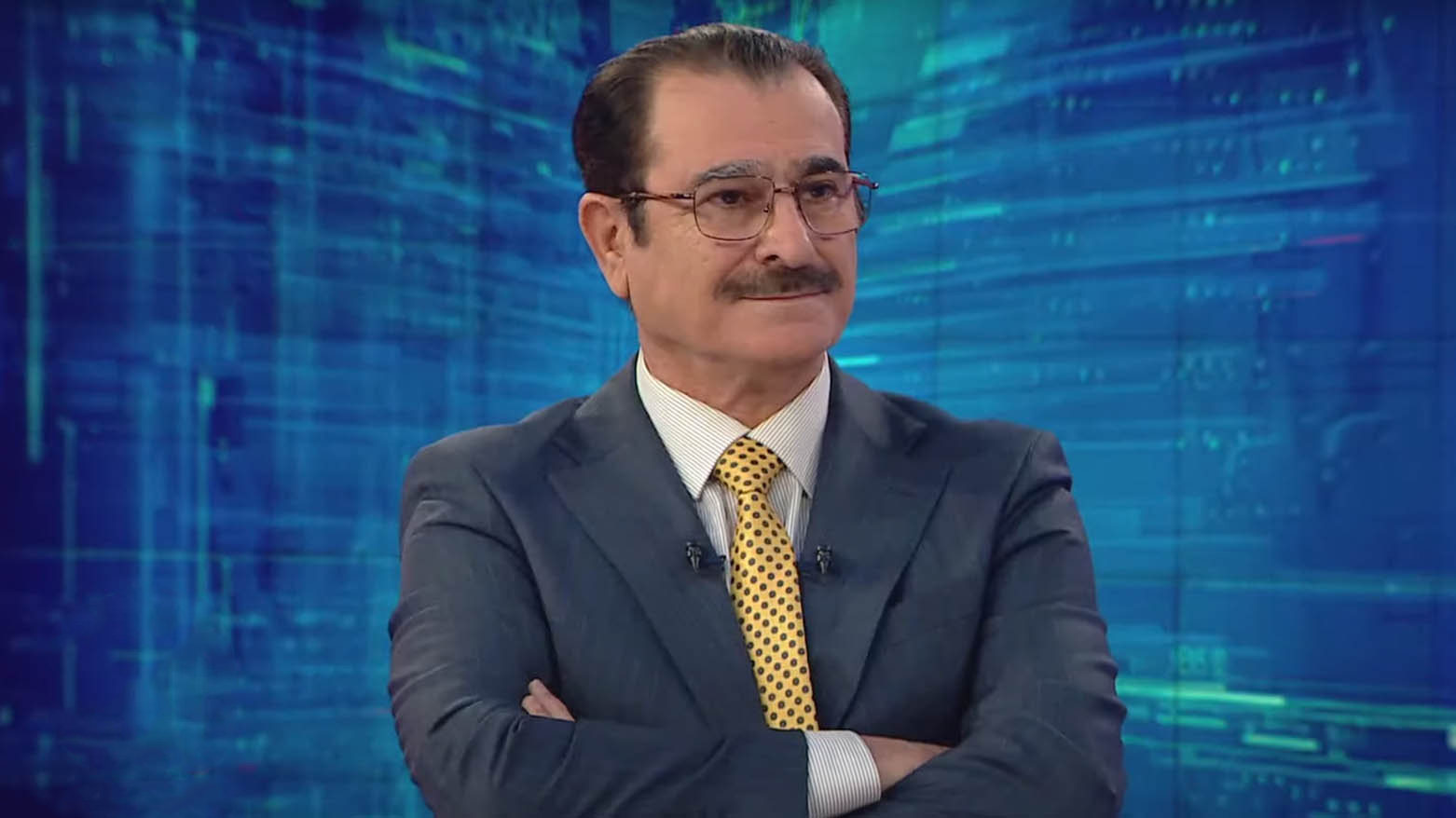
ERBIL (Kurdistan24) — The recent meeting between the Kurdistan Democratic Party (KDP) and the Patriotic Union of Kurdistan (PUK) in Sulaimani is a positive development for the people of the Kurdistan Region, a representative of the Region on Iraq’s Article 140 Committee said on Saturday, stressing that Kurdish unity is essential to defending constitutional rights.
Speaking to Kurdistan24, Dzhwar Faiq said history had repeatedly shown that Kurdish political unity, particularly between the KDP and PUK, had helped secure major achievements, including the establishment of the Kurdistan Front, the 1991 uprising, the overthrow of the former Iraqi regime in 2003, and the drafting of Iraq’s Constitution.
He described the recent threats and pressure from Baghdad, including remarks about possible military movements and cuts to salaries and the budget, as unconstitutional.
He said the Kurdistan Region’s response—backed by public support and the KRG’s position—should be based on dialogue, the Constitution, and Iraq’s federal system.
Faiq cited several constitutional provisions, including Articles 1 and 117, which establish Iraq as a federal state and recognize the Kurdistan Region as a federal entity.
He also referred to Articles 110, 112, 114, 115, and 121, arguing that they define federal and shared powers, provide for joint management of oil and gas, protect the Region’s legislative and executive authority, and guarantee its share of national revenues.
He accused successive federal governments of selectively implementing the Constitution, saying around 55 provisions related to the Kurdistan Region’s rights remained unimplemented. Among them, he highlighted Article 140, concerning disputed territories, which he said the Federal Supreme Court had confirmed remained in force in 2019.
Faiq also criticized what he described as the Federal Supreme Court’s inconsistent pace in handling cases, arguing that some decisions affecting the Kurdistan Region had been issued within 24 hours, while other constitutional and legislative matters had remained unresolved for months or years.
He attributed Baghdad’s recent actions to political pressure and what he described as the federal government’s failure to meet commitments made to Washington, including controlling weapons outside state authority and addressing smuggling.
Rejecting claims that the Kurdistan Region had caused Iraq losses of $100 billion since 2008, Faiq said the Region began independent oil sales only after Baghdad suspended its budget and salaries in 2014. He said earlier oil exports in 2009 had been conducted in cooperation with the federal government and the State Organization for Marketing of Oil (SOMO).
Looking ahead to the planned meeting between a high-level Kurdistan Region delegation and Iraq’s three presidencies on Tuesday, Dec. 1, Faiq said the Kurdish delegation should present legal and constitutional evidence in defense of the Region’s rights, including those concerning the Peshmerga, salaries, the budget, oil, customs, Article 140, and the division of powers.
He said the longstanding disputes could not be resolved in a single meeting, calling instead for a joint committee of Iraqi and Kurdistan Region experts and international consultation or mediation involving European countries, the United States, and the United Nations.