Erbil Flood Damage Exceeds Approx. $24.2 Million as Authorities Brace for New Rainfall
Presenting the final assessment of the November 7–8 floods, Khoshnaw said two people had lost their lives and 708 others had been rescued.
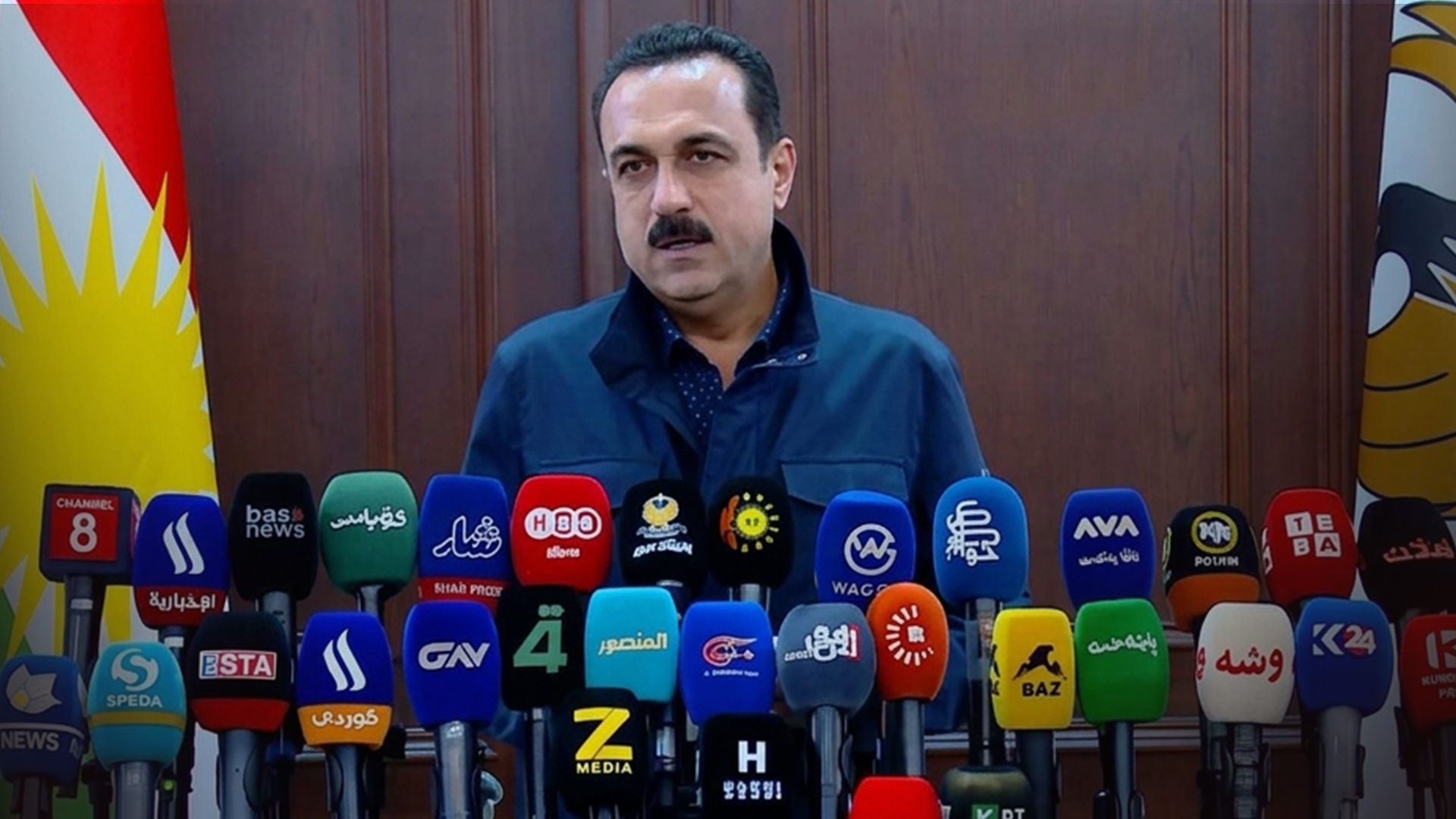
ERBIL (Kurdistan24) – Damage caused by last month's devastating floods in Erbil has exceeded 31.7 billion Iraqi dinars (approximately $24.2 million), Governor Omed Khoshnaw announced on Sunday, as authorities stepped up preparations for another wave of heavy rainfall expected this week.
Speaking at a press conference at the Erbil Governorate building, Khoshnaw said a coordination meeting had been held with the Operations Room, the Joint Crisis Coordination Center, district and subdistrict officials, and relevant service and security departments to review emergency preparations.
According to the latest meteorological forecasts, heavy rainfall is expected from Tuesday afternoon through Wednesday morning. Khoshnaw said weather conditions would remain normal on Tuesday morning and that no decision had been made to declare a public holiday.
He added that any changes in the forecasts would be followed by the necessary decisions, which would be announced to the public.
The governor said natural waterways, manholes, and previously identified vulnerable areas had been cleaned and maintained over the past eight months. He added that, following an order from Kurdistan Region Prime Minister Masrour Barzani, all government and security teams had been placed on full alert.
Khoshnaw urged residents to limit unnecessary movement from Tuesday afternoon until Wednesday morning and follow traffic police instructions, particularly in areas where roads or bridges might be temporarily closed.
Floods Kill Two, Damage More Than 3,200 Properties
Presenting the final assessment of the November 7–8 floods, Khoshnaw said two people had lost their lives and 708 others had been rescued.
Of those rescued, 500 were assisted by Civil Defense teams and 208 by medical teams. Six people were hospitalized following the disaster, but all have since recovered.
The floods damaged 1,341 houses, 807 shops, 756 vehicles, 192 generators, 108 warehouses, 12 supermarkets and shopping malls, six mosques, nine medical centers, one hospital, and three hotels.
Additional damage affected three pharmacies, seven farms, seven offices belonging to organizations and political parties, two institutes, two beauty salons, one cafeteria, one playground, and one public building.
"The total damage suffered by citizens is estimated at 31 billion, 727 million, 515 thousand and 700 dinars," Khoshnaw said.
He clarified that the figure covered losses suffered by residents and businesses but excluded damage to public infrastructure, including roads, electricity networks, and bridges.
The governor also highlighted humanitarian assistance provided to flood-affected families, reporting that 9,211 aid distributions had been carried out by charitable organizations and institutions.
The Barzani Charity Foundation was among the leading contributors, providing 4,350 meals and essential supplies to 1,280 families. Other organizations and institutions involved included the Iraqi Red Crescent Society, Rawanga Foundation, Haji Yahya and Haji Idris Surchi foundations, Islamic Relief organizations, Hasar Organization, the Lebanese French University, and Talabat.
Khoshnaw called on the Iraqi federal government to release Erbil's share of the emergency relief budget, saying the governorate had been excluded from it since 2004. He also urged the Kurdistan Regional Government (KRG) to allocate additional funding to help compensate residents for part of their losses.
Authorities Step Up Emergency Preparations
Separately, Erbil's Operations Room for Crisis and Disaster Management held a meeting on Sunday to assess preparations for the expected rainfall.
The meeting was attended by Khoshnaw, Srwa Rasoul, Director General of the Joint Crisis Coordination Centre, Fazil Ibrahim, Director General of the Kurdistan Region's Meteorology and Seismology Directorate, and representatives of relevant service departments.
Participants reviewed preliminary weather assessments and discussed the measures needed to manage the expected rainfall, prevent water accumulation, and reduce the risk of flooding across Erbil and its surrounding areas.
The meeting also stressed the need to maintain the readiness of emergency response and Civil Defense teams, ensure the availability of necessary equipment and resources, and respond promptly to potential emergencies.
Officials further emphasized the importance of continuing to clear waterways, canals, manholes, and sewage systems to ensure the smooth drainage of rainwater and minimize the risk of flooding in streets and residential neighborhoods.
The meeting concluded with a commitment to strengthen coordination among the governorate, the Joint Crisis Coordination Center, service institutions, and emergency response teams to protect residents' lives and property.