Kawa Abban
Author
Halabja: The Crime That Shook the Conscience of Humanity
On March 16, 1988, Iraqi forces launched a chemical attack on Halabja, killing over 5,000 civilians and injuring 10,000 more. The assault, later recognized as genocide, remains a global symbol of the dangers of chemical weapons and the need for accountability.
By Kawa Abban
Ambassador at Large at IIMSAM-United Nation
On March 16 each year, the world pauses to remember one of the most horrific atrocities of the late twentieth century: the chemical attack on the Kurdish city of Halabja in 1988. Occurring in the final phase of the Iran–Iraq War, the tragedy transcended the context of armed conflict and became a global symbol of genocide and the devastating use of weapons of mass destruction against civilians.
At the time, Halabja, located in what is now the Kurdistan Region of Iraq, was home to nearly 80,000 residents. On the morning of March 16, 1988, the city’s fate was irrevocably altered when the Iraqi regime launched a large-scale chemical assault on the civilian population an attack that would later be recognized as one of the deadliest chemical strikes against civilians in modern history.
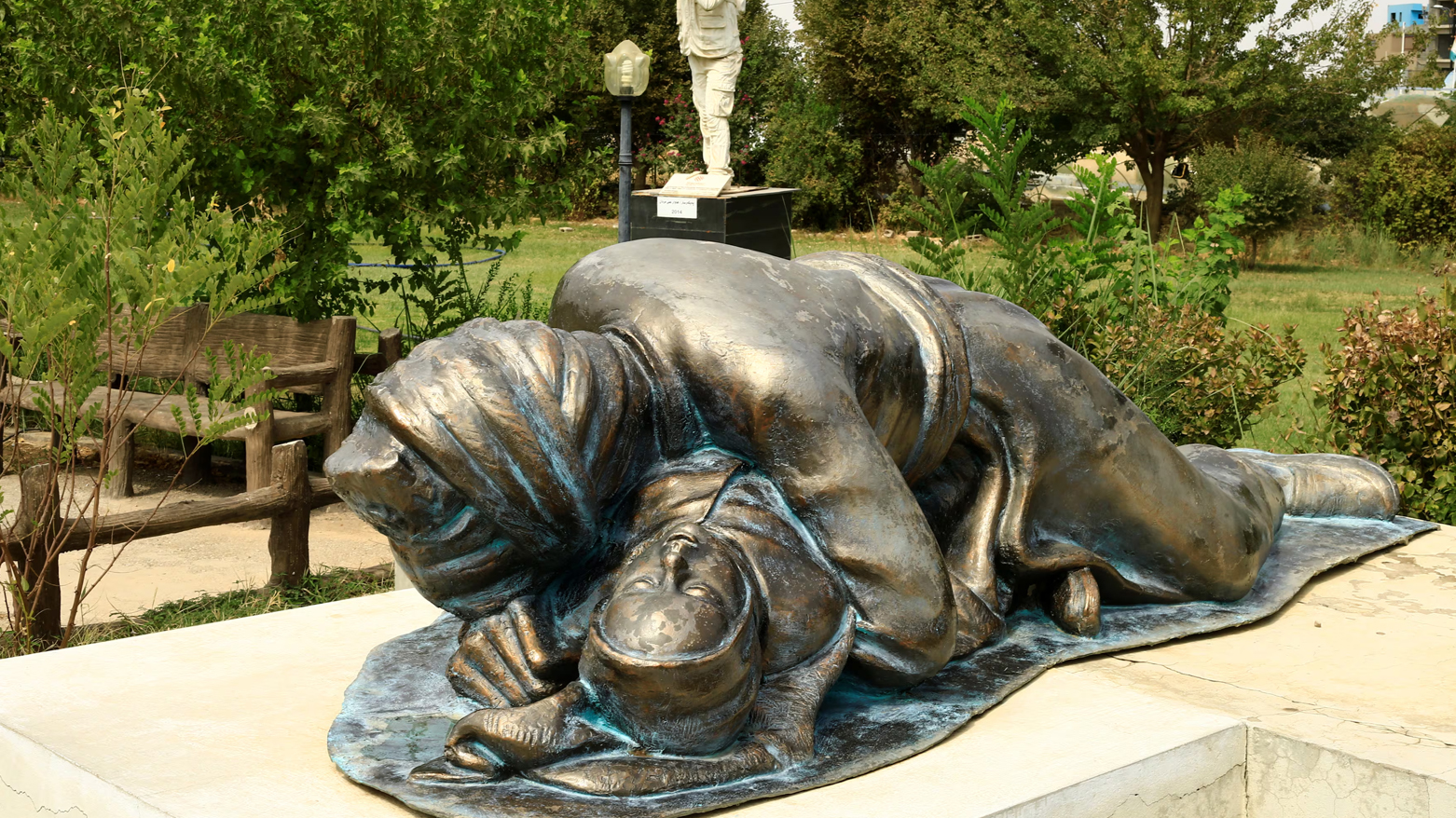
Acting under orders from the leadership of the Ba’athist regime, Iraqi military aircraft carried out waves of aerial bombardment over the city using toxic agents including mustard gas and the nerve agent sarin. Within hours, Halabja was transformed into a scene of unimaginable devastation. Entire families were found lifeless in their homes and along the streets, victims of weapons whose effects were both invisible and indiscriminate.
The attack killed more than 5,000 civilians, the vast majority of whom were women, children, and the elderly, while over 10,000 others were injured by chemical exposure. Yet the tragedy did not end with the bombardment itself. In the years that followed, thousands more died from long term complications, including chronic respiratory diseases, cancers, and severe congenital disorders linked to exposure to toxic chemical agents.
The humanitarian consequences of the attack continue to reverberate today. Many families still seek the remains of loved ones who disappeared during the assault, while survivors continue to live with profound physical and psychological scars. For the Kurdish people, Halabja remains one of the most painful chapters in their modern history.
Internationally, the attack on Halabja has been widely regarded as the largest chemical assault ever carried out against a civilian population of a single ethnic group in contemporary history. Under the principles of international law, the deliberate targeting of a specific ethnic community in this manner constitutes an act of genocide, a designation recognized by multiple legal and human rights institutions.
Subsequent investigations also exposed the international networks that enabled the Iraqi regime’s chemical weapons program. In 2005, a Dutch court sentenced businessman Frans van Anraat to 15 years in prison for supplying chemical materials to Iraq that were later used in the production of these weapons. In its ruling, the court affirmed that the attacks carried out by Saddam Hussein’s regime against Halabja constituted acts of genocide.
Within Iraq, the Iraqi High Criminal Court prosecuted crimes linked to the Anfal Campaign, the military operations conducted against the Kurdish population during the late 1980s. Charges were brought against Saddam Hussein and his cousin Ali Hassan al-Majid, who oversaw military operations in Kurdistan at the time. Following extensive trials, Saddam Hussein was executed on December 30, 2006, while Ali Hassan al-Majid widely known as “Chemical Ali” was executed on January 25, 2010, after being convicted for his role in these atrocities.
Today, Halabja stands not merely as a city marked by tragedy, but as a global symbol of the dangers posed by chemical weapons and the urgent need to protect civilian populations during armed conflict. The memory of Halabja also underscores the importance of strengthening international justice mechanisms and ensuring accountability for crimes against humanity.
Remembering Halabja is not simply an act of commemorating the past; it is a moral and legal call to the international community to ensure that such crimes are never repeated anywhere in the world. History does not forget, and the memory of Halabja endures as a powerful reminder that justice however delayed remains essential to safeguarding human dignity and preventing future atrocities.
The views expressed in this article are those of the author and do not necessarily reflect the views of Kurdistan24.