Kawa Abban
Author
Anfal: The Pain of the Missing, the Dignity of the Martyrs and the Urgency of Justice
The Anfal campaign is considered one of the most heinous crimes committed by the former Iraqi Baath regime against the Kurds and the people of Kurdistan as it was not limited to mass killing only, but also included forced exile, arrest disappearance and burial in mass graves.
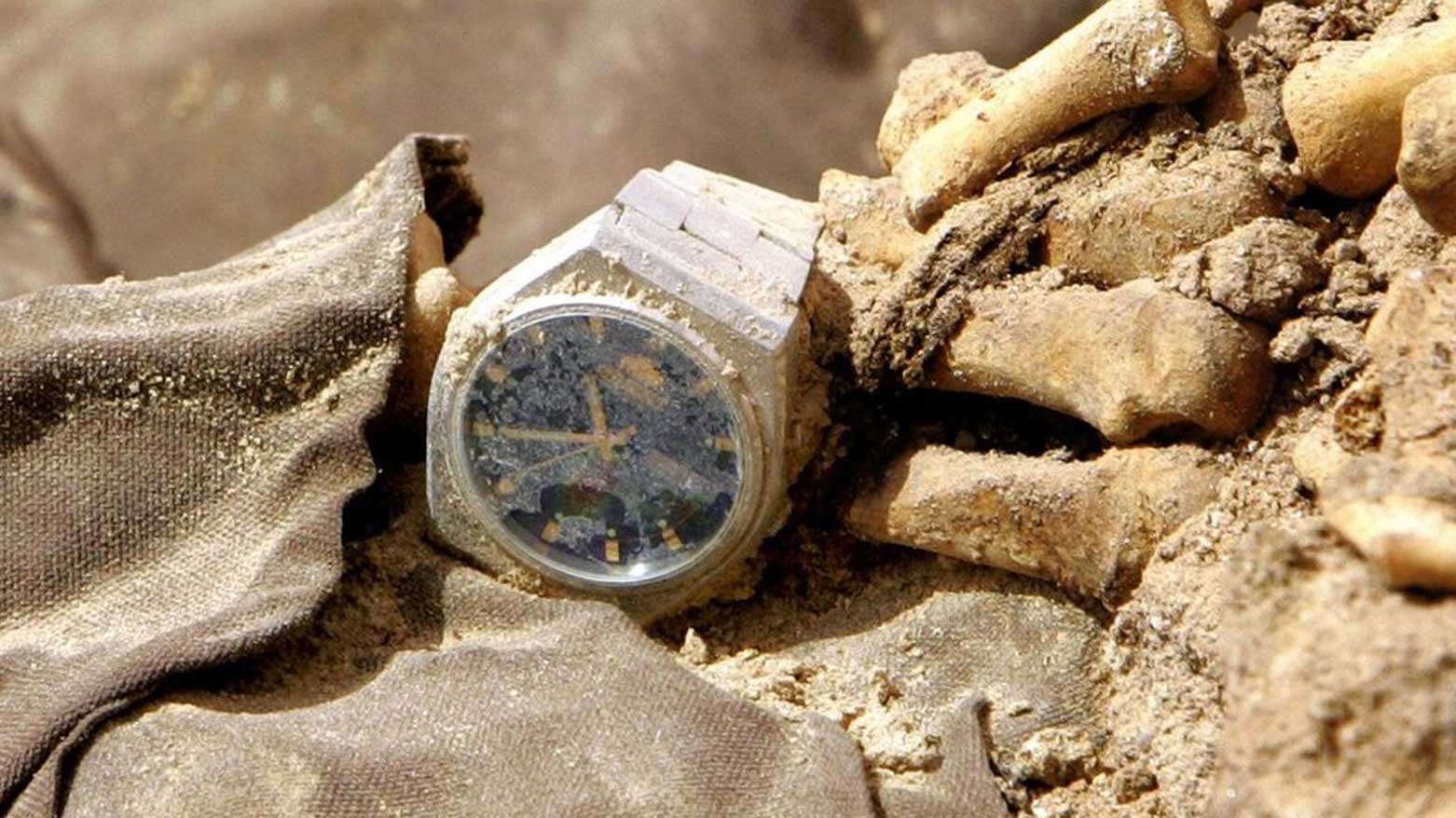
On April 14 of every year, the Kurdistan Region of Iraq commemorates the martyrs and victims of the Anfal campaign that was committed by the former regime in 1988 against innocent unarmed civilians in various areas and villages of Kurdistan and tens of thousands of people from different age groups fell victim to this crime only because they rejected injustice and oppression and did not accept submission to policies of repression and tyranny.
The Anfal campaign is considered one of the most heinous crimes committed by the former Iraqi Baath regime against the Kurds and the people of Kurdistan as it was not limited to mass killing only, but also included forced exile, arrest disappearance and burial in mass graves and even the burial of many victims while they were alive in the deserts of central and southern Iraq and until today a large number of victims are still among the missing, and their fate is still unknown in a scene that reflects the scale of the tragedy that this people were subjected to.
Eight stages of killing and destruction:
The Anfal campaign included eight major operations carried out in eight stages each of which lasted about two weeks and planning for this campaign began in 1987, only two weeks after Saddam Hussein appointed his cousin Ali Hassan al-Majid as head of the Northern Affairs Office in the Revolutionary Command Council where he was assigned to regain control of the region through the use of various methods of repression and intimidation.
During those stages wide areas of Kurdistan were subjected to shelling and destruction including the use of chemical weapons against villages and populated areas and the campaign also included mass executions and widespread displacement, and resulted in the evacuation of more than 4000 Kurdish villages and areas and the complete erasure of a large number of them from the map.
The affected areas included many villages towns and regions, including: Sargalo, Barkalo, Sordashi, Qaradagh, Khurmatu, Kalar, Kifri, Darbandikhan, Chamchamal, the Little River area, Aghjalar, Kobtepe, Askar, Sheikh Bizeni, Koya, Khalkan, Dukan, Balisan, Shaqlawa, Hiran, Naznin, Smaqoli, Doli Alan, Rawanduz, Joman, the Qandil mountain range, Ranya, Chwarqurna, Hzob, the Bawaji mountains, in addition to parts of the villages of Koya, Dibaga, Perde, Amedi, Duhok, Zakho, Sheikhan, Akre and Barzan. Some of these villages were completely wiped out of existence, in a clear attempt to uproot the Kurdish person from his land his history and his memory.
A judicial recognition confirming the brutality of the crime:
At the beginning of 2010, the Iraqi High Criminal Court considered the Anfal campaign a crime against humanity and genocide in an important step on the path of establishing the truth and doing justice to the victims and it also convicted Ali Hassan al-Majid of supervising the chemical attack that targeted the Kurdish city of Halabja and a death sentence was issued against him which was carried out on January 25 2010.
This judicial decision represented an official recognition of the scale of the crime that was committed but it was not the end of the matter because true justice is only complete by doing justice to the victims and their families revealing the fate of the missing compensating those affected and safeguarding the national memory from forgetting or marginalization.
Redress is a constitutional and human right:
On this painful occasion the Prime Minister of the Kurdistan Region Mr. Masrour Barzani stressed that what raises regret and concern is the failure to implement Article 132 of the Iraqi Constitution until now, which is the article that relates to compensating and doing justice to those harmed by the former regime including the families of the victims of the Anfal campaigns and the other crimes committed by the Baath regime.
The implementation of this article is considered a constitutional and moral entitlement that does not tolerate delay because doing justice to the victims is not a favor from anyone, but rather a fixed right guaranteed by laws and imposed by justice. Also compensating those affected and the families of the victims with fair and equitable compensation befitting the pain and suffering they endured represents an essential step in consolidating transitional justice strengthening confidence in state institutions and ensuring that such genocides are not repeated in the future.
The Kurdistan Regional Government affirms the continuation of its diligent efforts in cooperation with the Iraqi Parliament and the federal government to implement Article 132 of the Iraqi Constitution, in a way that guarantees fair and deserved compensation for those harmed by the Anfal campaigns and the other crimes committed by the former regime that preserves their dignity and safeguards their rights.
Living memory is a guarantee against repetition:
The Anfal campaign is not merely a painful memory from the past, but rather an open wound in the human conscience and a stark proof of what tyranny can do when it strips itself of all values, and from here reviving this memory should not be limited to annual ceremonies, but should rather turn into a permanent commitment to documentation awareness and informing the new generations of the truth of what happened so that such crimes are not repeated under any circumstance or pretext.
The peoples who preserve their memory and confront their past with courage are more capable of building a future based on justice dignity and human rights and true loyalty to the martyrs of Anfal is not only by mourning them but by serious work for doing them justice and defending the rights of their families and consolidating a culture of peace and coexistence and rejecting all forms of genocide racism and oppression.
Conclusion
After 38 years, the Anfal campaign still remains one of the most painful and darkest pages in the modern history of Iraq but at the same time it remains a witness to the steadfastness of a people that faced genocide with strength faith and attachment to life and reviving this memory today is not merely a recollection of a painful past but rather a renewed affirmation that the blood of the victims will not be forgotten and that their rights and the rights of their families will remain a legitimate demand until full redress is achieved.
Justice for the martyrs of Anfal begins with sincere recognition of the scale of the crime and proceeds through compensating those affected and revealing the fate of the missing and ends with building a future in which there is no place for injustice exclusion or discrimination and only in this way does the memory turn from deep pain into a moral and national force that protects the human being safeguards dignity and prevents the recurrence of the tragedy.
Kawa Abban
Ambassador at Large at IIMSAM-United Nations
The views expressed in this article are those of the author and do not necessarily reflect the views of Kurdistan24.