Hamas Elects Khalil al-Hayya as New Political Chief
Lead ceasefire negotiator succeeds Yahya Sinwar as the Islamist movement reshapes its leadership following its withdrawal from Gaza's civilian administration
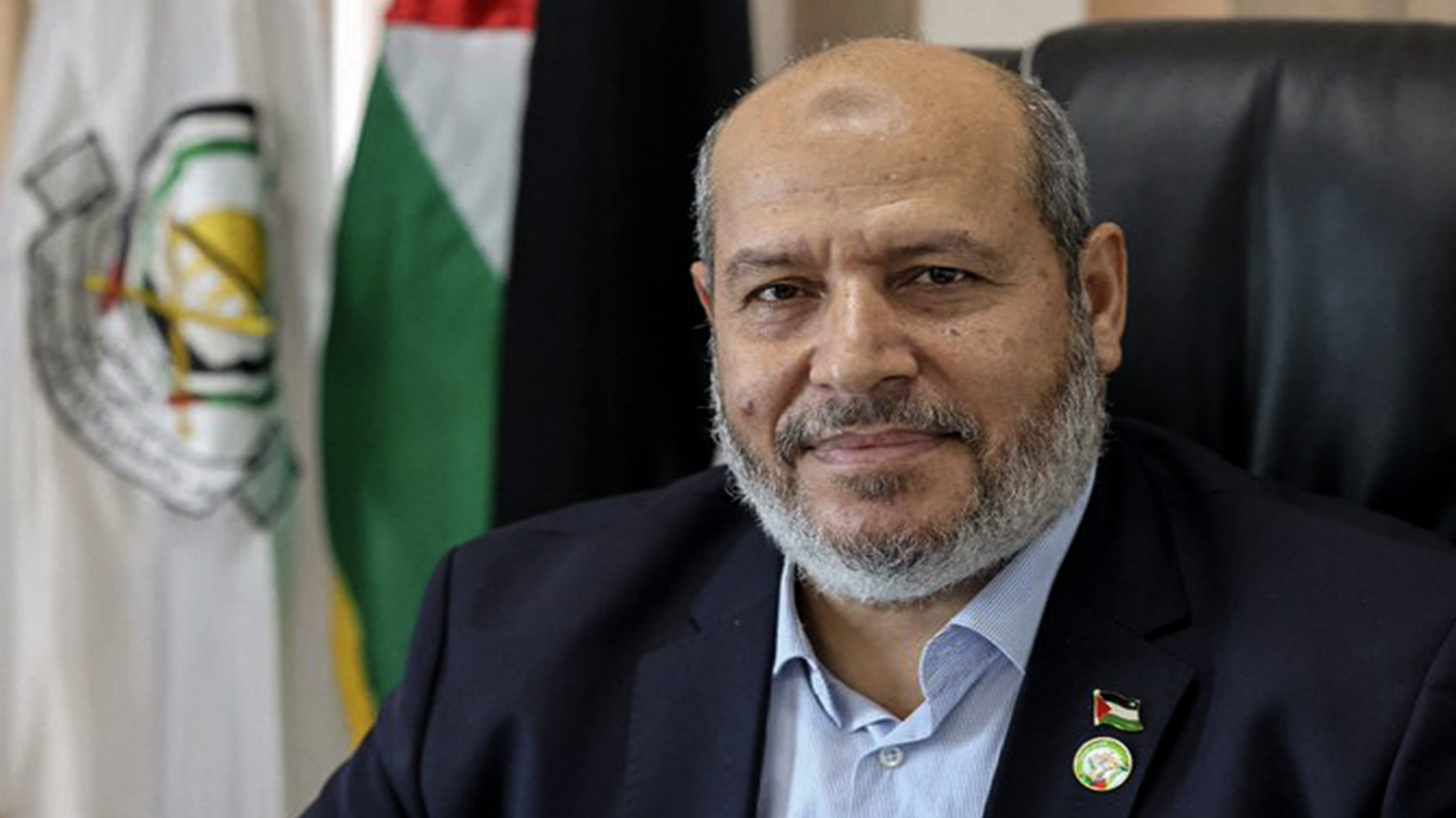
ERBIL (Kurdistan24) — Hamas announced on Monday that it has elected Khalil al-Hayya, the group's chief negotiator in indirect ceasefire talks with Israel, as the new head of its politburo, formally appointing a successor to Yahya Sinwar as the Palestinian Islamist movement continues to adapt its leadership during the ongoing war in Gaza.
"The Islamic Resistance Movement (Hamas) announces the election of brother mujahid Khalil al-Hayya as head of the movement's politburo, succeeding the martyred leader Yahya al-Sinwar," Hamas said in a statement.
Al-Hayya succeeds Sinwar, whom Israel accused of being one of the principal architects of the Oct. 7, 2023, attack on southern Israel. Sinwar was killed by Israeli forces in Gaza roughly a year later during Israel's military campaign against the group.
Since Sinwar's death, Hamas had been led collectively by a leadership council headed by veteran official Mohammed Darwish, without appointing a permanent politburo chief.
Born in 1960, al-Hayya is regarded as one of Hamas's most senior political figures and has played a central role in indirect negotiations with Israel through regional mediators aimed at securing ceasefires, hostage releases, and humanitarian arrangements in Gaza.
He survived an Israeli assassination attempt in Doha last year, although one of his sons was killed in the strike.
His appointment comes at a pivotal moment for Hamas, as the group faces mounting military pressure while negotiations over Gaza's future governance and a potential end to the war remain unresolved.
Earlier this month, Hamas announced it had dissolved the governing body that administered the Gaza Strip for nearly two decades, one of the movement's most significant political decisions since seizing control of the enclave in 2007.
According to Agence France-Presse (AFP), Hamas formally disbanded its Government Emergency Committee to facilitate the transfer of civilian administrative responsibilities to the National Committee for the Administration of Gaza (NCAG), a technocratic body established under the framework of a U.S.-brokered ceasefire initiative.
Hamas spokesperson Hazem Qassem told AFP at the time that the movement would "no longer be in charge of the Gaza Strip," expressing hope that the technocratic committee would quickly assume governmental responsibilities inside the enclave.
The move marked a significant political shift but stopped short of addressing one of the central issues in ongoing negotiations—whether Hamas is prepared to disarm or relinquish its military capabilities.
Diplomatic efforts led by the United States, Qatar, Egypt, and other mediators have largely focused on securing a lasting ceasefire while resolving disputes over Israeli military withdrawals, postwar governance, and Hamas's armed wing. However, none of the principal mediators publicly endorsed Hamas's decision to dissolve its governing body, leaving uncertainty over whether it would be viewed as a meaningful concession or a largely symbolic political gesture.
The election of al-Hayya now places one of Hamas's most experienced negotiators at the helm of the movement's political leadership, potentially strengthening the group's role in future ceasefire negotiations while signaling an effort to consolidate its leadership during one of the most consequential periods in its history.