Qatar Says Gulf Cannot Rely on US Alone for Security and Must Become Self-Sufficient
Qatari foreign ministry spokesman tells Hili Forum in Abu Dhabi that international alliances are important but not enough, as the Gulf absorbs six months of Iranian attacks while hosting the largest American military base in the Middle East
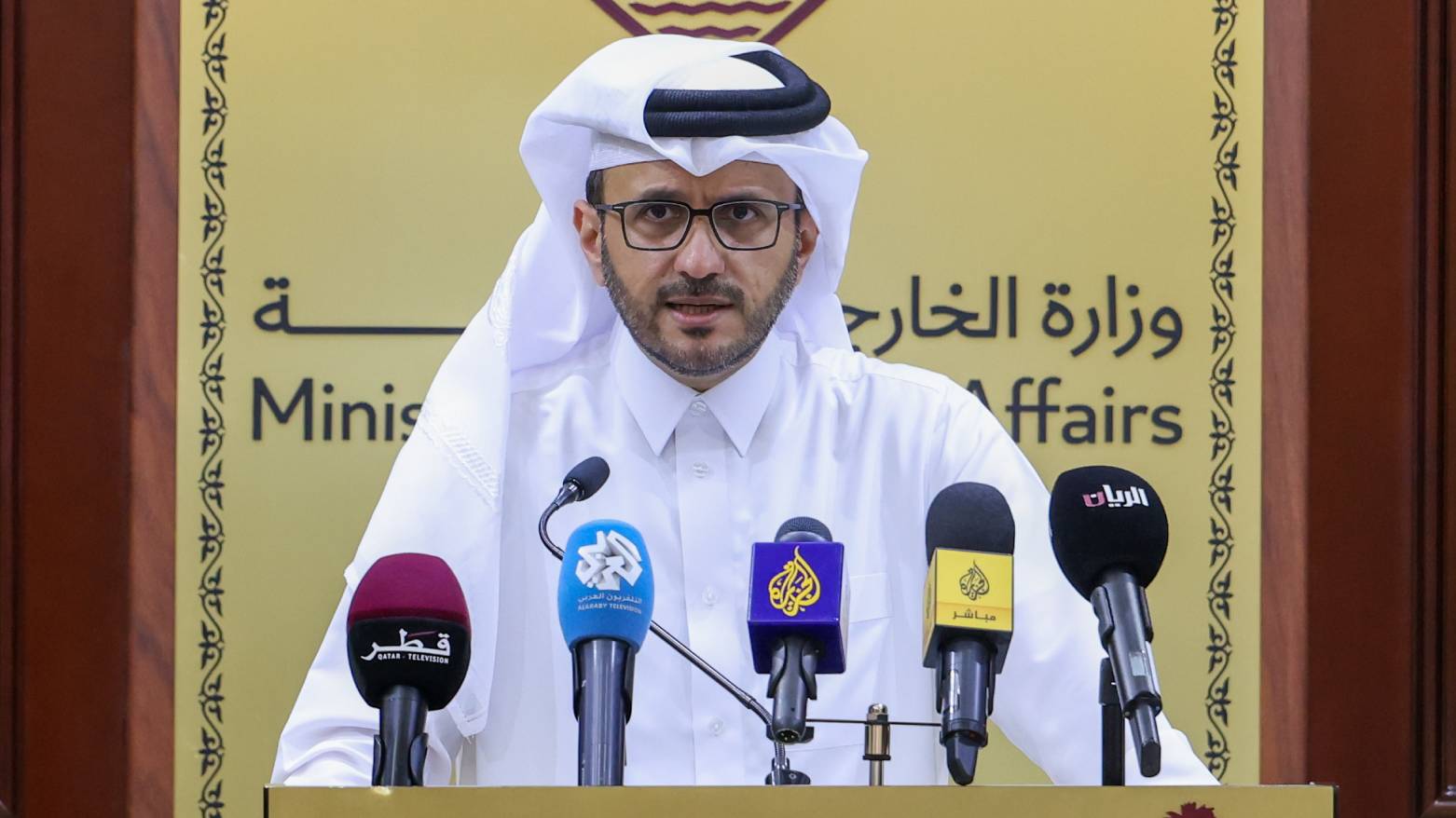
ERBIL (Kurdistan 24) - Qatar's foreign ministry spokesman declared on Monday that Gulf nations cannot rely solely on the United States and other international alliances for their security and must develop greater self-sufficiency, in a significant public statement from one of Washington's closest Gulf partners and the host of the largest American military installation in the Middle East.
"We need to realize in the Gulf that having international forces in the region, having a strategic alliance with the United States, is very important, but is not enough," the Qatari foreign ministry spokesman said at the Hili Forum in Abu Dhabi, the United Arab Emirates' capital. "Self-sufficiency when it comes to security is the only way forward. Yes, we need our partners. Yes, we need our allies. But we cannot depend on them alone for our security."
The statement carries particular weight coming from Qatar, which simultaneously hosts the US military's Al Udeid Air Base, the largest American military installation in the Middle East, serves as one of the primary mediating channels between Washington and Tehran throughout the six-month conflict, and has sustained heavy Iranian attacks on its energy infrastructure throughout the war. The combination of deep American military partnership and direct Iranian military exposure gives Qatar's call for Gulf security self-sufficiency a credibility and urgency that a less exposed state's statement would not carry.
Qatar is a key mediator in the US-Iran war, with Qatari Prime Minister Sheikh Mohammed bin Abdulrahman Al Thani having travelled to Tehran last month as part of active mediation efforts, following the announcement by Iran and Oman that they were discussing a temporary shipping corridor and mine-clearing arrangement in the Strait of Hormuz. Qatar has maintained its mediation role even as Iranian forces have attacked Qatari energy infrastructure and as Washington has pressed Gulf states to sever economic ties with Tehran under Operation Economic Outcast.
After six months of conflict, the two sides remain at a stalemate, with Iran disrupting traffic in the strategic Strait of Hormuz and the United States pressing a counter-blockade of Iranian ports. Neither the June 17, 2026, memorandum of understanding nor the subsequent diplomatic efforts have produced a durable settlement, leaving the Gulf states in a position of indefinite exposure to both Iranian military aggression and the economic consequences of a disrupted Hormuz.
The Qatari spokesman's call for Gulf security self-sufficiency arrives as the Makkah Defense Alliance, formed by Saudi Arabia, Türkiye, and Pakistan, held its first formal Strategic Political and Defense Committee meeting in Istanbul on Last Monday establishing a permanent secretariat in Riyadh and declaring the alliance open to new members. Qatar is not currently a member of the Makkah Alliance, making the Hili Forum statement a signal that Doha is actively thinking about its own security architecture beyond its existing bilateral relationship with Washington.
The statement also resonates with the broader regional reckoning that the US-Iran war has forced on Gulf states, which have collectively absorbed thousands of Iranian drone and missile strikes while simultaneously depending on American military protection that has not fully prevented those strikes from landing. The UAE halted all economic ties with Iran in August 2026 and its air force intercepted an Iranian drone entering its territorial waters on August 31. Saudi Arabia has participated in joint military strikes with the US while also absorbing Iranian attacks on its energy infrastructure. Kuwait has repeatedly activated its air defenses against incoming Iranian projectiles.