Baghdad Delegation to Visit Kurdistan Amid Mounting Pressure to End Financial Oppression
The visit of the Baghdad delegation — led by one of the most influential figures in Iraq’s post-2003 political order — is seen in Erbil as a long-overdue acknowledgment that the status quo is unsustainable; doubting that change is possible unless Baghdad stops economic pressure and honors rights.
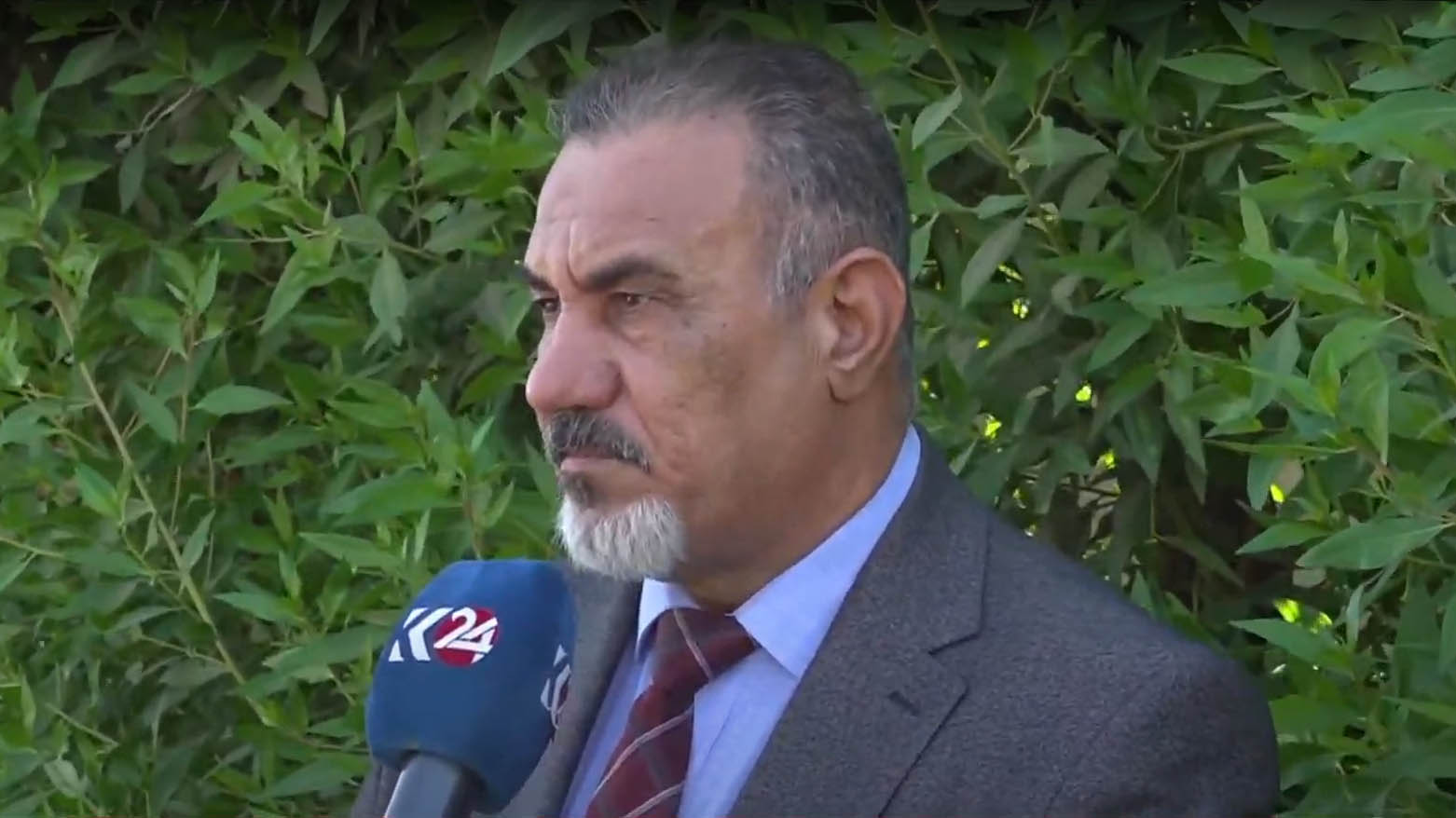
ERBIL (Kurdistan24) — A senior member of the Hikma Movement announced that a high-level delegation from Baghdad, led by Hadi al-Amiri, will arrive in the Kurdistan Region within 24 hours to meet with top Kurdish leaders and seek solutions to the deepening political and financial disputes. The delegation, operating under the Shiite Coordination Framework, is expected to engage in critical discussions with the Kurdistan Regional Government (KRG) leadership on outstanding constitutional, financial, and administrative issues.
Speaking to Kurdistan24 on Saturday, Rahim Aboudi revealed that Iraqi Prime Minister Mohammed Shia’ al-Sudani has proposed a temporary loan for the Kurdistan Region to cover public sector salaries for the month of May. According to the plan, the salaries would be released prior to the Eid al-Adha holiday.
Aboudi emphasized that following this payment, it is essential for both sides to hold a "genuine and serious" dialogue to establish a long-term resolution. He acknowledged that salary-related disputes must be settled for the coming months as well, to prevent continued hardship on public servants in the Region.
Aboudi further noted that Prime Minister Sudani has entrusted Hadi al-Amiri with the responsibility of leading this visit and holding in-depth talks with the KRG. The aim, he said, is to ease tensions between Baghdad and Erbil, which have escalated due to the federal government’s chronic failure to uphold its constitutional obligations toward the Kurdistan Region.
A Pattern of Economic Punishment
For years, the federal government in Baghdad has pursued a deliberate policy of financial coercion and constitutional violations against the Kurdistan Region. Despite the clear provisions of the 2005 Iraqi Constitution, which recognizes the Kurdistan Region as a federal entity with the right to manage its own internal affairs, Baghdad has routinely used the Region’s financial entitlements — particularly public salaries — as a political weapon.
By withholding the salaries of Kurdish public servants, Baghdad has aimed to destabilize the Region, erode its autonomy, and bring it under the political control of central authorities. These acts have not only caused immense suffering for hundreds of thousands of Kurdish families but have also exposed the deep-seated hostility of Iraq’s federal system toward Kurdish self-rule.
The Kurdistan Region, which has consistently demonstrated its commitment to peace, federalism, and partnership, has found itself punished for asserting its constitutional rights — including the right to independently manage its natural resources and finances. While Kurdish leaders have repeatedly called for respectful, lawful cooperation, Baghdad has responded with budget cuts, political marginalization, and unilateral decisions that bypass and ignore the Region’s elected institutions.
The visit of the Baghdad delegation — led by one of the most influential figures in Iraq’s post-2003 political order — is seen in Erbil as a long-overdue acknowledgment that the status quo is unsustainable. However, many in the Kurdistan Region remain skeptical that real change will come unless Baghdad ends its campaign of economic strangulation and fully honors the constitutional rights of the Kurdish people.
Until then, Kurdish leaders and citizens alike are determined to resist pressure, defend their autonomy, and seek justice within — or beyond — Iraq’s broken federal framework.