Mazloum Abdi Honors Leyla Qasim on Anniversary of Her Execution
In a post published on X, Abdi said, “Leyla Qasim, the daughter of Southern Kurdistan, stands as a proud symbol of the dignity and success of Kurdish women. Together with her comrades, she defended the honor of the Kurdish people.”
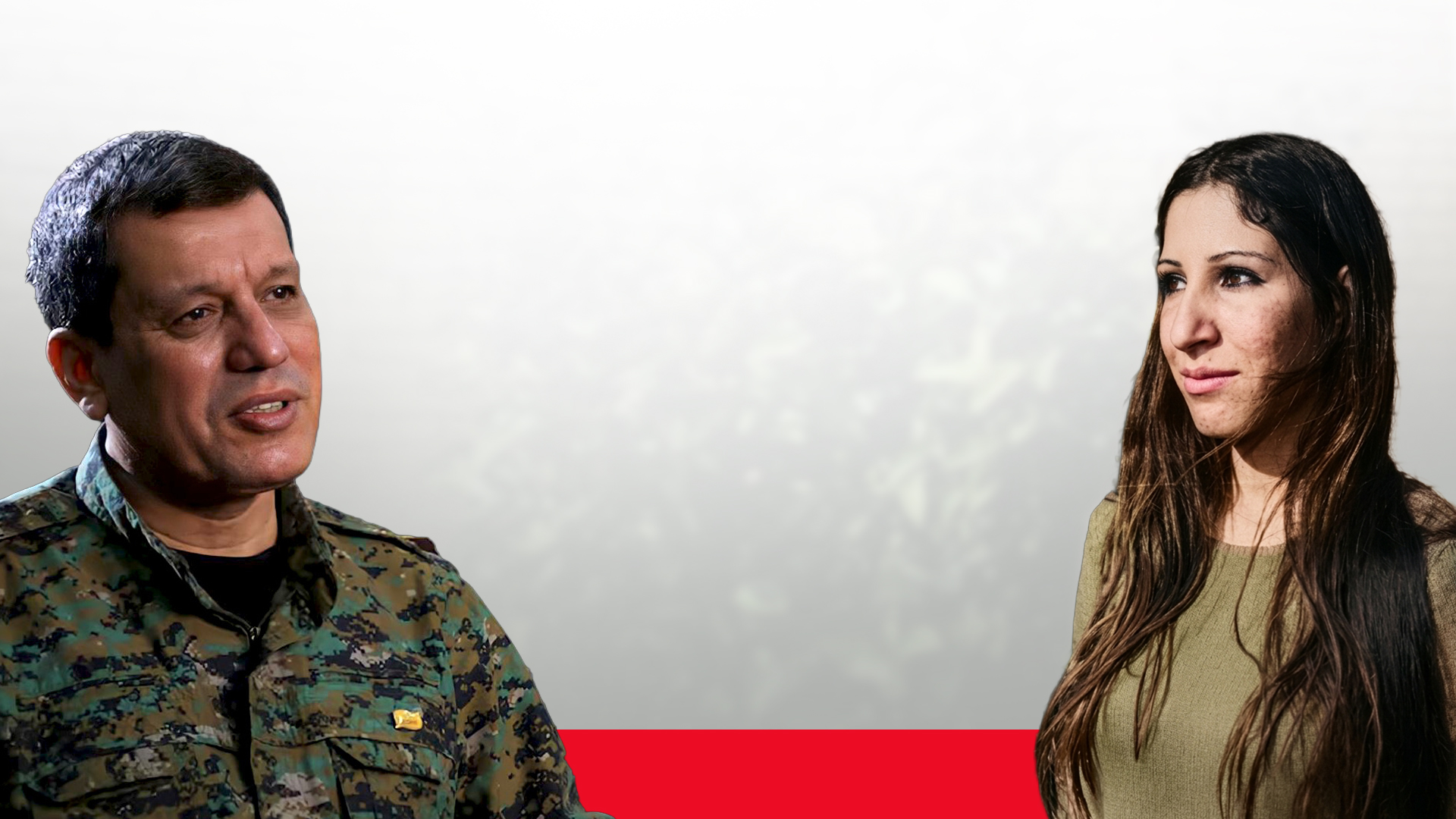
ERBIL (Kurdistan24) – Mazloum Abdi, the commander-in-chief of the Syrian Democratic Forces, on Tuesday commemorated Kurdish activist Leyla Qasim, describing her as a lasting symbol of the dignity, courage, and struggle of Kurdish women.
In a post published on X marking the anniversary of her execution, Abdi said, “Leyla Qasim, the daughter of Southern Kurdistan, stands as a proud symbol of the dignity and success of Kurdish women. Together with her comrades, she defended the honor of the Kurdish people.”
“We remember Leyla and all the women who sacrificed their lives in the pursuit of freedom,” he added, pledging to continue the struggle for freedom, following in the footsteps of the "Bûka Kurdistanê" (Bride of Kurdistan).
Qasim was born in 1952 in the city of Khanaqin to a poor farming family of Feyli Kurdish origin. Despite growing up amid widespread discrimination against Feyli Kurds, her family maintained a strong Kurdish identity.
Qasim joined the Kurdistan Democratic Party and the Kurdistan Students’ Union in 1970, where she became active in mobilizing Kurdish youth. A year later, she moved to Baghdad to study sociology at the University of Baghdad.
During the politically repressive atmosphere that followed the 1968 Ba’athist takeover, Qasim intensified her activism. Together with her brother, Çiyako, she distributed underground pamphlets criticizing the Iraqi government’s Arabization policies and accusing authorities of violating the autonomy provisions outlined in the 1970 March Manifesto.
Her political activities led to her arrest in early 1974 alongside her fiancé, Jawad al-Hamawandi, and fellow activists Nariman Fouad Misty, Azad Suleiman Miran, and Hasan Mohamed Rashid. The group was detained in Abu Ghraib Prison, where reports indicate they were subjected to severe torture.
Historians say Qasim lost an eye during her detention. She and her companions were later convicted by a revolutionary court on charges including sedition and sabotage in proceedings widely criticized for lacking due process.
Qasim and her fellow detainees were executed in Baghdad on May 12, 1974. She was buried in Wadi-us-Salaam Cemetery, one of the world’s largest cemeteries.