As Iraq Braces for Another Harsh Summer, Kurdistan’s ‘Runaki’ Project Expands 24-Hour Electricity
Kurdistan Region presents a contrasting model of energy reform amid Iraq’s continuing power crisis
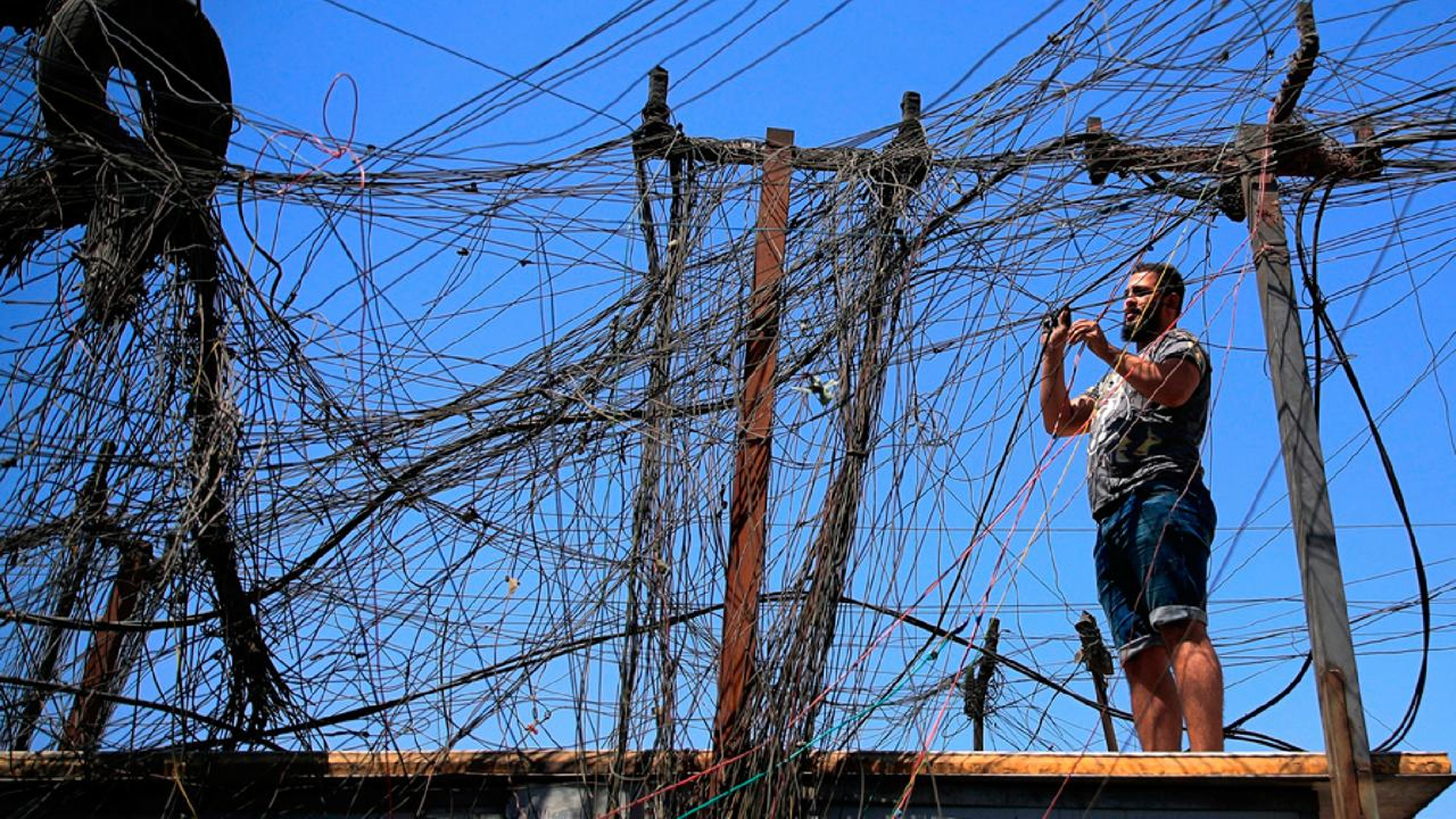
ERBIL (Kurdistan 24) - While Iraq enters another summer threatened by severe electricity shortages despite record federal budgets and massive oil revenues, the Kurdistan Region is increasingly presenting its “Runaki” electricity project as one of the most successful infrastructure and public service reforms in Iraq in recent years.
The growing contrast between Erbil and Baghdad has become especially pronounced ahead of summer 2026, as Iraqi officials have openly warned that the country may face one of its most difficult electricity seasons in years.
Ahmed Mousa, spokesperson for Iraq’s Ministry of Electricity, made those remarks in early May 2026 while discussing Iraq’s electricity preparedness for the upcoming summer season. Iraqi media outlets and regional reports published the statements during ministry briefings on expected summer electricity shortages.
Despite Iraq operating with some of the largest budgets in its history, fueled by years of high oil revenues, the country continues suffering from chronic electricity shortages more than two decades after 2003.
According to Iraqi electricity sector data and local reports, Baghdad alone currently relies on nearly 14,000 neighborhood generators, with citizens spending approximately $1.6 billion annually on privately generated electricity in the capital.
That amount alone is roughly equivalent to nearly double the Kurdistan Region’s average monthly budget share.
Meanwhile, the Kurdistan Region Government’s ninth cabinet, led by Prime Minister Masrour Barzani, launched the strategic “Runaki” project in November 2024 to gradually end dependence on neighborhood generators and establish a continuous 24-hour electricity system across the Region.
According to official Kurdistan Regional Government (KRG) figures released in April and May 2026 during updates on the Runaki project, more than 85% of Kurdistan Region residents، approximately 5.5 million people، were receiving 24-hour electricity service through the project at that time.
The project has already led to the shutdown of approximately 5,917 local generators, significantly reducing pollution, fuel consumption, noise levels, and household electricity costs in urban areas.
Cities including:
- Erbil
- Sulaimani
- Duhok
- Halabja
as well as most independent administrations have now largely transitioned into the 24-hour electricity network.
According to the KRG’s announced plan, no neighborhood generators are expected to remain operational in the Kurdistan Region by the end of 2026.
The Runaki project has become one of the flagship strategic programs of the ninth cabinet, which has increasingly focused on:
- Energy infrastructure modernization
- Highway and transportation projects
- Water and dam construction
- Digital governance
- Economic diversification
- Public service reform
The electricity system also includes:
- Smart metering technology
- Digital billing systems
- SMS notification services
- Mobile electricity management applications
- Electronic payment services
Officials say these systems are designed to increase transparency, modernize electricity distribution, reduce waste, and help citizens better manage electricity consumption and payments.
The project’s rapid expansion has also strengthened the Kurdistan Region’s image as a comparatively stable investment and infrastructure environment inside Iraq, especially at a time when Baghdad continues facing pressure from electricity shortages, aging infrastructure, population growth, and rising summer demand.
The contrast has become politically significant as financial disputes between Baghdad and Erbil continue over budget transfers, oil revenues, and constitutional financial entitlements.
Kurdish officials have repeatedly accused Baghdad of using salaries and budget allocations as political pressure tools against the Kurdistan Region, despite the federal government itself struggling to provide consistent basic services across much of Iraq.
For many observers, the comparison increasingly reflects two different administrative approaches:
- one centered on long-term infrastructure planning and modernization,
- and another still trapped in crisis management despite massive financial resources.
As temperatures rise across Iraq and the Kurdistan Region, electricity availability is once again becoming one of the most politically sensitive and socially important issues for millions of citizens.
For many residents in the Kurdistan Region, the “Runaki” project is no longer viewed simply as an electricity reform initiative, but as a broader symbol of governance, planning, and institutional effectiveness under the ninth cabinet.