Eastern Kurdistan Cultural Milestones: Bane’s National Honor and Mahabad’s Dance Celebrations
Bane's Rosewater Festival joins Iran's tourism list, while Mahabad's 3rd Dance Festival concludes, celebrating Kurdish heritage and qualifying winners for international events.
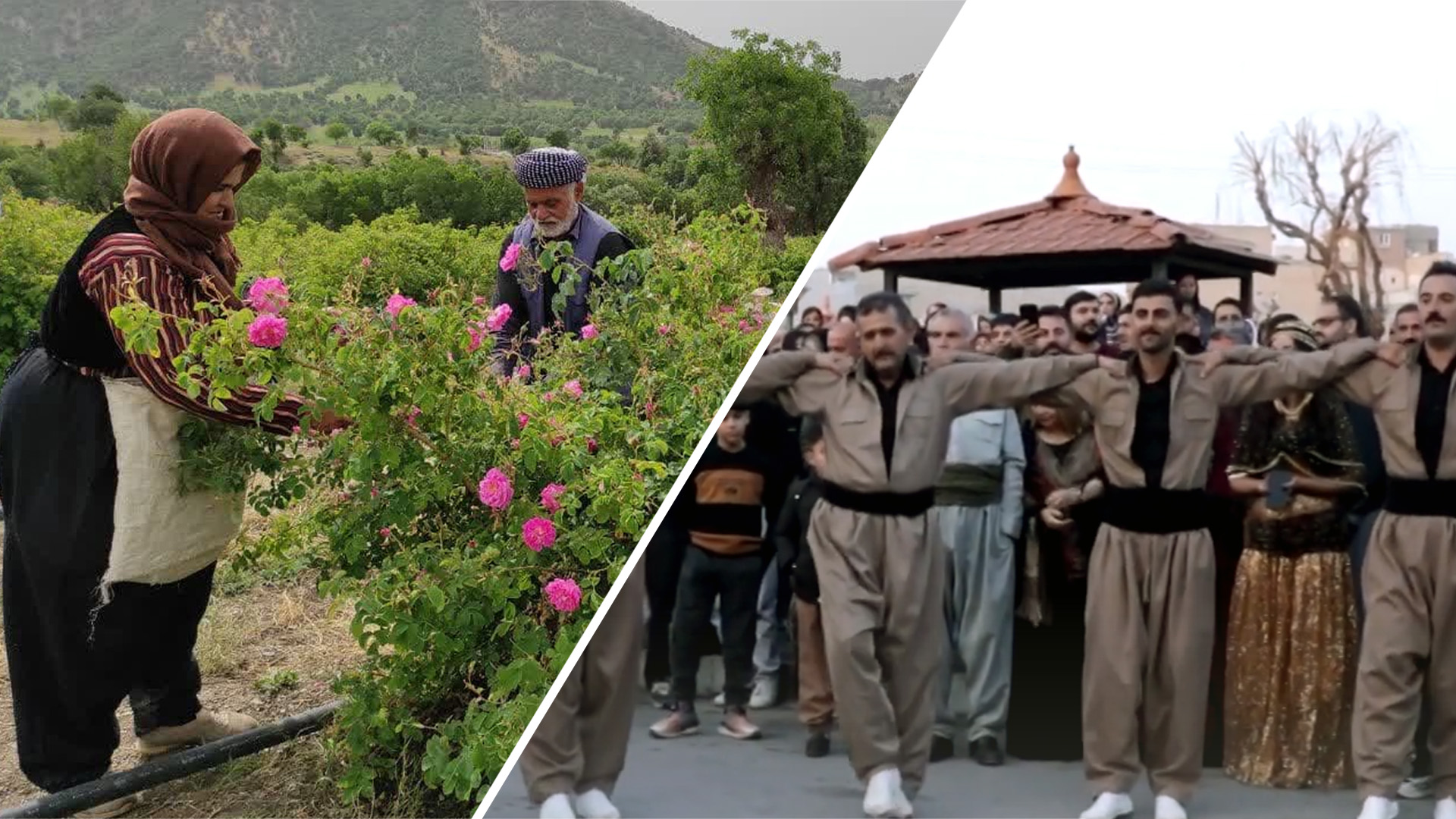
ERBIL (Kurdistan24) – In a significant week for the preservation and promotion of Kurdish heritage in Eastern Kurdistan, the cultural landscape of the region has received a dual boost of official recognition and grassroots celebration. The rich agricultural traditions of Bane have been formally enshrined on the national stage, while the artistic vitality of Mahabad has been showcased through a vibrant festival of movement and rhythm.
The Bane Rosewater Festival has been officially registered on the list of Iran’s tourism events, marking a pivotal moment for the agricultural tourism sector in Sina (Sanandaj) province, just as the city of Mahabad successfully concluded its third dance festival, an event that saw the city’s streets and halls come alive with the colors and sounds of traditional performance.
These developments signal a growing acknowledgment of the diverse cultural tapestry of the region and offer a promising horizon for the local economy through the avenues of tourism and art.
The formal elevation of the Bane Rosewater Festival represents a strategic milestone for the general directorate of tourism in Sina province. According to Puya Talibnia, the supervisor of the directorate, the Ministry of Cultural Heritage, Tourism and Handicrafts of the Islamic Republic of Iran issued the certification last Wednesday.
By registering the festival at the regional level and adding it to the prestigious list of the country's tourism events, the central government has effectively validated the cultural and economic importance of the rose harvesting season in this Kurdish city.
Talibnia, speaking to the IRNA news agency, highlighted that this inclusion marks the tenth tourism event from Sina province to achieve such status, a statistic that underscores the region's deepening footprint on the national tourism map.
The festival, which is traditionally held annually on May 31, celebrates a blossoming industry that is deeply rooted in the agrarian lifestyle of the local villages. The landscape around Bane is dotted with aromatic rose gardens, which cover an expansive area of 88 dunams.
These gardens are not merely ornamental; they are the engine of a productive local industry that yields more than 66 tons of roses every year. From this fragrant harvest, local producers extract nearly 20,000 liters of high-quality rosewater, a commodity that holds significant value in both culinary and cosmetic markets.
The registration of the festival is expected to catalyze further growth in this sector. Talibnia stressed that this official recognition will have a profound impact on introducing the wider cultural, religious, and tourism potential of Sina province to a national audience, potentially drawing greater investment and visitor numbers to the area.
The allure of Bane’s rose gardens has already proven to be a potent magnet for visitors.
To date, two festivals dedicated exclusively to rosewater have been organized in the city, drawing large numbers of tourists from other cities across Iran. These visitors travel to witness the harvesting process and partake in the cultural festivities, creating a vital economic influx for the local population.
The addition of the Rosewater Festival to the national registry places it alongside a distinguished list of other culturally significant events in the province that have previously been recognized. These include the spiritual Pir Shalyar ceremony, the Komsay festival, the grand Newroz festival of Sina, the Newroz of Tangisar, and the unique winter Newroz celebrations.
Furthermore, the agricultural diversity of the region is represented by the strawberry festival in the village of Shiyan and the Hasanawa and Wusukand grape festival, while the artistic heritage is upheld by the thousand daf ceremony and the Bane dance festival.
While Bane celebrated its agricultural heritage, the city of Mahabad was immersed in a three-day celebration of kinetic art as the third Mahabad dance festival came to a triumphant close. The event was defined by intense and continuous activities that transformed the city into a stage for traditional performance.
A total of ten dance groups participated in the festival, with nine hailing from various regions of Eastern Kurdistan, showcasing the rich diversity of Kurdish dance styles, while one group traveled from the capital, Tehran, to take part in the cross-cultural exchange.
The festival was designed to be accessible and immersive, with a significant portion of the performances taking place directly on the streets and in public places of Mahabad. This open-air format allowed folk art groups and singers to engage directly with the public, resulting in a warm and enthusiastic welcome from the citizens who gathered to watch the displays of heritage in motion.
The culmination of the festival took place in the Wahdat Hall of Mahabad, where the competition between the participating groups continued into the final day. However, the event was not limited to performance alone; it also incorporated a strong academic dimension aimed at documenting and understanding the art form.
On the third day of the festival, experts and specialists in the field convened a scientific seminar to discuss the importance of dance in Kurdish culture. This academic forum delved into the historical and social roots of Kurdish art, providing a theoretical framework for the performances witnessed by the public.
Qutbaddin Sadiqi, a renowned university professor and veteran of the arts who established a dance group in Eastern Kurdistan three decades ago, provided a glowing assessment of the event in a special statement to Kurdistan24. Having participated in world festivals, Sadiqi’s perspective carries significant weight.
He stressed that the festival was executed with a high degree of professionalism and success, noting that the organizers and participants had beautifully preserved the historical place and position of Kurdish dance. His comments underscore the festival's role not just as entertainment, but as a vital mechanism for cultural preservation in an era of rapid modernization.
The presence of international judges at the festival was hailed by participants as a major achievement, signaling the event's growing prestige and its adherence to global standards of artistic evaluation. Participants expressed a shared belief that the display of authentic Kurdish clothing, combined with the presentation of different types of traditional dance, serves a critical educational purpose.
They argued that such events ensure that future generations, as well as foreigners, will come to know and respect the customs and culture of the Kurds. The visual spectacle of the traditional attire, moving in rhythm with the music, serves as a powerful medium for storytelling and identity formation.
As the festival concluded, the competitive aspect of the event highlighted the exceptional talent present in the region. Three groups were identified as the selected winners of the festival. In a move that ties the cultural landscape of the region together, these winning groups were awarded not only prizes but also a license for direct participation in the upcoming international Bane dance festival.
This qualification creates a symbiotic link between Mahabad and Bane, ensuring that the momentum generated in one city flows into the next, fostering a continuous cycle of cultural celebration across Eastern Kurdistan.
The events of this week, from the rose gardens of Bane to the dance halls of Mahabad, illustrate a resilient and vibrant culture that is increasingly gaining the formal recognition it deserves.