Iran Unveils Major Gold Discovery as Sanctions-Driven Economic Pressures Deepen
Tehran hails a vast new gold vein in South Khorasan, touting it as a strategic boost to national reserves amid soaring inflation, currency volatility, and continued Western pressure.
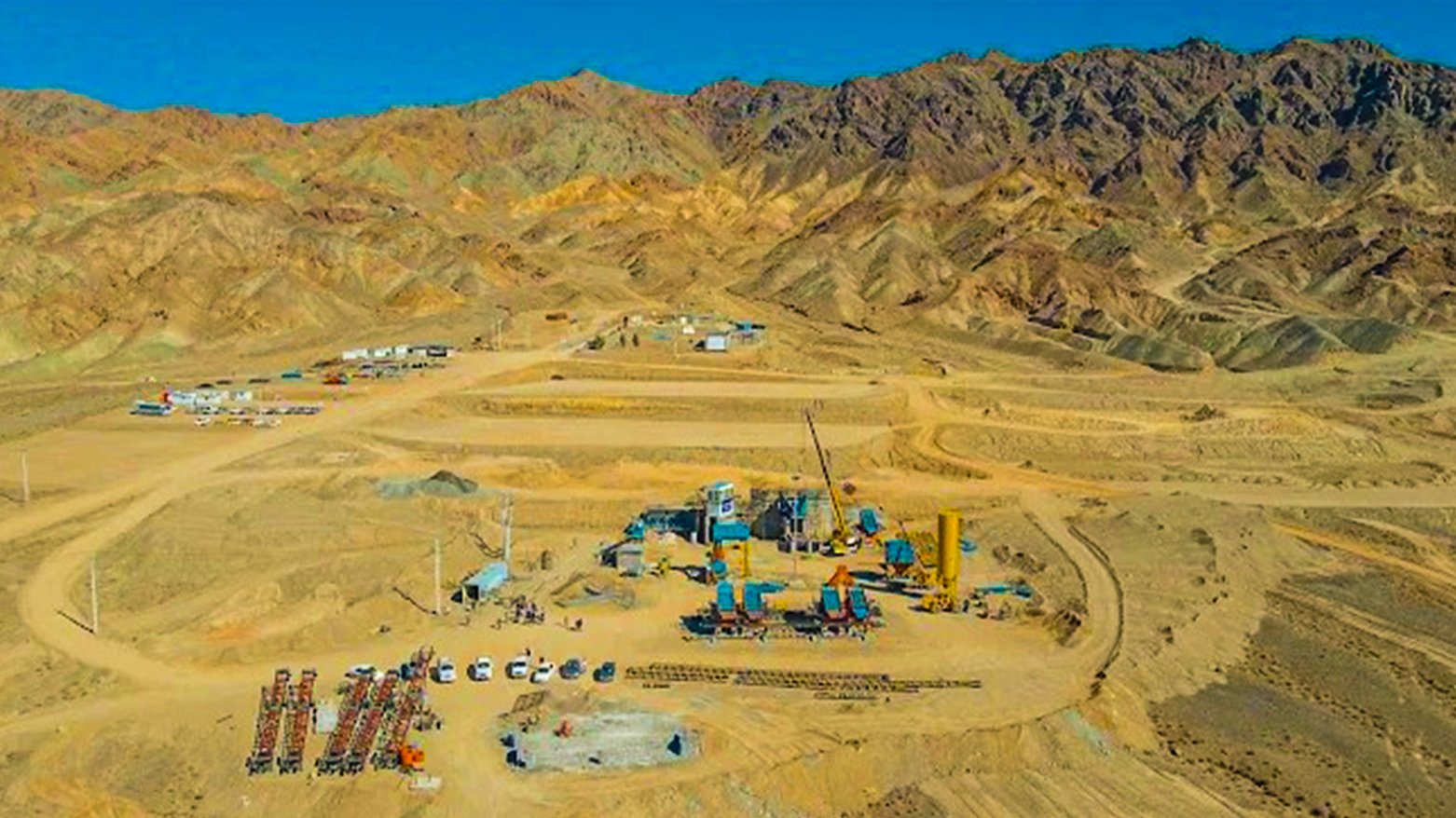
ERBIL (Kurdistan24) — Iran has announced the discovery of a significant new gold vein at one of the country’s largest precious-metal sites, a development Tehran is touting as a vital economic lifeline amid mounting financial strain. Local media reported Monday that the new vein was identified at the privately owned Shadan gold mine in South Khorasan province—described by the semi-official Fars news agency as “among the country’s most important” gold assets.
According to the report, the Ministry of Industry, Mines, and Trade has officially validated the new reserves, confirming a substantial expansion of proven resources at the site.
The newly identified structure contains an estimated 7.95 million tons of oxide gold ore—the type considered easier and cheaper to process—and 53.1 million tons of sulphide gold ore, significantly boosting the mine’s long-term production potential.
Iran has not officially disclosed the size of its national gold reserves; however, officials have repeatedly emphasized their efforts to expand them.
In September, Central Bank Governor Mohammadreza Farzin said Iran had become one of the world’s top five gold-buying central banks in 2023–2024.
Another central bank official, Yekta Ashrafi, said strengthening gold reserves was essential for bolstering economic resilience under sanctions.
The discovery comes at a critical time for Iran, whose economy has been battered by years of U.S. and Western sanctions targeting its nuclear program.
Tehran denies accusations that it seeks to weaponize its nuclear activities, but the pressure has sharply curtailed foreign investment, strained banking channels, and accelerated the depreciation of the national currency.
Those challenges intensified following the recent 12-day conflict sparked by Israel’s unprecedented attack on Iranian territory, during which the United States briefly supported Israeli strikes on Iranian nuclear facilities.
Iran currently operates 15 gold mines nationwide, including the giant Zarshouran mine in the northwest—the country’s largest. The expansion at Shadan is expected to further consolidate Iran’s push to rely on domestic mining capacity as a hedge against external economic isolation.
Gold has also become a financial refuge for ordinary Iranians grappling with soaring inflation and a chronically weakened currency.
On Monday, the U.S. dollar traded at around 1.17 million rials on the informal market, while the euro hovered at 1.36 million rials, according to rates published by tracking platforms Bonbast and AlanChand.