Iran Reports Record Inflation, Food Prices Surge 110% in February
Iran’s inflation hit record highs in February, with food prices up 110% and the Toman falling to historic lows against the U.S. dollar, deepening economic strain.
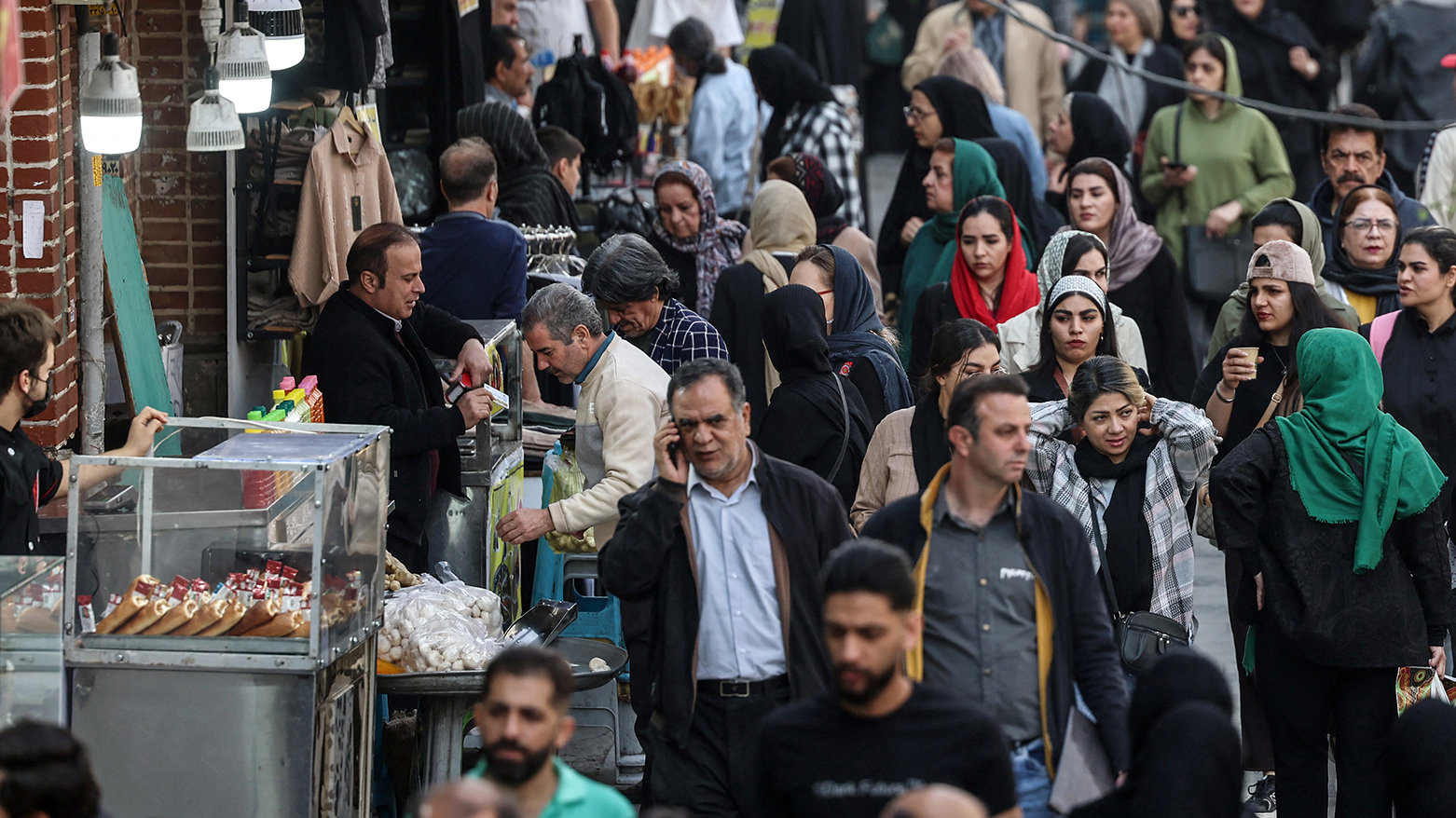
ERBIL (Kurdistan24) - Iran’s inflation rate reached record levels in February, with food prices surging by 110% and the national currency hitting historic lows against the U.S. dollar, according to official reports.
The Central Bank of Iran reported that the country’s overall inflation rate for the second month of winter 2026 rose to 62.2% compared with the same period last year. The bank noted that annual inflation over the past 12 months reached 46.3%, while monthly inflation recorded an increase of 8.4% from the previous month.
In contrast, the Statistical Center of Iran reported higher figures, estimating general inflation at 68.1% and highlighting a 110% increase in food prices. Last month, the same agency had reported general inflation of 60% and food inflation of 90%, indicating a rapid acceleration in costs of living.
The surge in inflation coincides with a sharp devaluation of Iran’s local currency, the Toman. Exchange rates against the U.S. dollar approached 166,000 Tomans, representing the lowest level in the country’s history and contributing to the erosion of citizens’ purchasing power.
Economic analysts attributed the rising inflation to multiple factors, including ongoing U.S. and international sanctions, political tensions, fears of potential armed conflict, declining domestic production, and internal economic mismanagement. The combined effect has placed extraordinary pressure on households across Iran.
Reflecting public concern, one Iranian citizen said the economic situation had become “unbearable for broad segments of society, especially those with limited income and employees; the continuous and daily rise in prices has made it difficult to secure basic needs.”
The Central Bank’s monthly report emphasized the broader trends in inflation beyond food commodities, citing significant increases across multiple sectors. Rising prices were reported in housing, transportation, and essential goods, contributing to a general sense of economic strain.
The Statistical Center’s findings underscored the disproportionate impact on food prices, which have nearly doubled compared to the previous year. The rapid escalation has intensified public concern over affordability and access to basic nutrition, particularly among low- and middle-income populations.
The convergence of record inflation, soaring food costs, and currency devaluation has amplified concerns regarding the social and humanitarian implications. Experts warn that continued price pressures could widen the poverty gap and create long-term challenges for domestic stability.
The Central Bank attributed part of the inflationary trend to external factors, specifically sanctions that limit trade and access to foreign currency reserves, which in turn increase the cost of imported goods. The bank’s report also noted internal challenges, including constrained domestic production and administrative inefficiencies, which contribute to rising prices.
Political instability and regional tensions were also cited as contributing factors. Analysts observed that ongoing concerns over armed conflict in neighboring countries have affected investor confidence and domestic economic planning, further exacerbating inflationary pressures.
Currency fluctuations have magnified the impact of rising costs. The Toman’s record low against the U.S. dollar has increased the price of imported goods, which make up a substantial portion of Iran’s consumer market. The Central Bank and Statistical Center both emphasized that the currency collapse is a significant driver of inflationary trends.
Economic observers highlighted the compounding effects of rapid inflation on households, particularly those reliant on fixed incomes. The acceleration of price increases has placed essential commodities, including foodstuffs, healthcare items, and energy, increasingly out of reach for many citizens.
The reports collectively signal that Iran’s economy is experiencing one of its most severe crises in recent decades. Analysts stressed that without coordinated economic and political interventions, including measures to stabilize the currency and address inflation, the country may face widening social and humanitarian challenges.
Authorities have yet to provide detailed mitigation plans, and public concern continues to mount. Citizens have expressed frustration over the rapid decline in purchasing power and the inability to plan for basic needs amid escalating prices.
The combined data from the Central Bank and the Statistical Center illustrate a complex economic environment characterized by high inflation, steep food price increases, and a historic currency collapse, highlighting the urgency of addressing the underlying structural and external factors driving the crisis.
Overall, the February reports confirm that Iran’s economy is under significant strain, with soaring inflation and food price surges affecting large segments of the population while the Toman remains at record lows against the U.S. dollar.
These figures underscore the scale of the economic challenge facing Iran, as officials and citizens alike confront the immediate and long-term consequences of high inflation and currency devaluation.
The situation continues to place pressure on households and markets, reflecting one of the most acute economic periods in the country’s recent history.