Saudi Arabia, Qatar Sign Landmark High-Speed Rail Pact as Gulf Rapprochement Deepens
Riyadh–Doha rail link to transform regional mobility, marking a milestone in years of steadily improving ties following the 2017 Gulf Cooperation Council (GCC) rift.
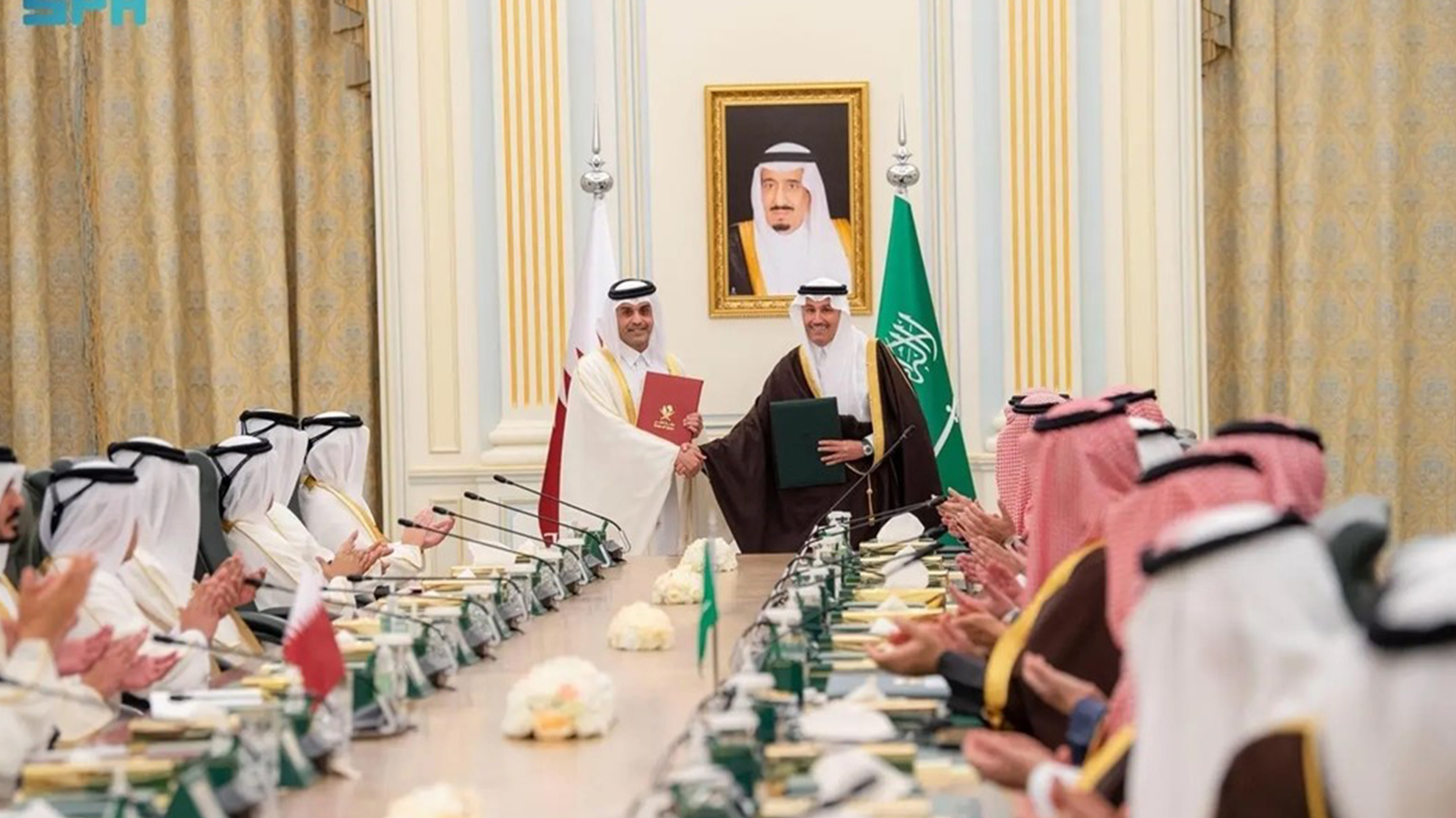
ERBIL (Kurdistan24) — Saudi Arabia and Qatar on Monday signed a landmark agreement to build a high-speed electric railway connecting Riyadh and Doha, the most ambitious joint infrastructure project undertaken since the two Gulf neighbors restored relations in 2021.
According to a statement from the official Saudi press, the new line will operate at speeds exceeding 300 km/h (186 mph), cutting travel time between the capitals to roughly two hours.
The network will also service the Saudi cities of Al-Hofuf and Dammam, creating a major new transit corridor across the Gulf. A direct flight between Riyadh and Doha currently takes around 90 minutes.
The project, expected to take six years to complete, aims to serve around 10 million passengers annually, underscoring both countries’ plans to expand regional mobility, tourism, and economic integration as part of their long-term development strategies.
The agreement was signed in Riyadh by Saudi Crown Prince Mohammed bin Salman and Qatar’s Emir Sheikh Tamim bin Hamad Al Thani during the latter’s official visit—an encounter highlighting the depth of the rapprochement that has reshaped Gulf diplomacy in recent years.
A Symbol of Repaired Relations
The rail deal is the latest marker of dramatically improved ties between the two states, which were once locked in one of the most severe political disputes in Gulf history.
In June 2017, Saudi Arabia, the UAE, Bahrain, and Egypt severed all diplomatic and transport links with Qatar, accusing Doha of backing radical Islamist groups, including the Muslim Brotherhood, and maintaining overly close relations with Iran. Qatar rejected the allegations outright.
The crisis paralyzed the Gulf Cooperation Council (GCC) for more than three years, disrupting trade flows, family connections, and regional partnerships. The turning point came in January 2021, when leaders gathered in the Saudi desert city of AlUla and formally restored ties, paving the way for a new era of cooperation.
Prince Mohammed’s visit to Doha in December 2021—his first since the diplomatic thaw—signaled that the rapprochement was not merely procedural but deeply political.
Since then, the two monarchies have engaged in frequent high-level exchanges and have moved closer diplomatically, often coordinating positions on regional hotspots.
Strategic Alignment in a Shifting Region
The Riyadh–Doha rail project reflects broader alignment between the two Gulf powers as they navigate regional turbulence and rising international scrutiny.
Both governments have backed diplomatic efforts to end the war in Gaza, and Saudi Arabia has publicly supported Qatar during periods of tension, including after Israeli strikes on Doha over the summer.
Economically, the two nations see growing opportunities in linking their markets, diversifying revenue sources beyond hydrocarbons, and strengthening connectivity ahead of major events such as Saudi Arabia’s planned mega-projects under Vision 2030 and Qatar’s continued post-World Cup development push.
For the GCC, the project also forms part of a wider vision for a Gulf-wide rail network—an initiative long discussed but slow to materialize. Observers believe the bilateral decision by Saudi Arabia and Qatar could inject new momentum into that broader plan and signal confidence in the stability of regional relations.
While technical planning is still underway, the rail agreement stands as one of the clearest signs to date that mistrust between Riyadh and Doha has been replaced with strategic cooperation.
If completed on schedule, the project will not only redefine travel across the Gulf but also symbolically close the chapter on a period of division that once cast uncertainty over the region’s future.