Erbil Governor Announces Imminent Opening of Strategic Highway to Gomaspan
Erbil Governor confirms the 16km Erbil-Gomaspan highway is complete and will open New Year's, easing traffic and boosting safety.
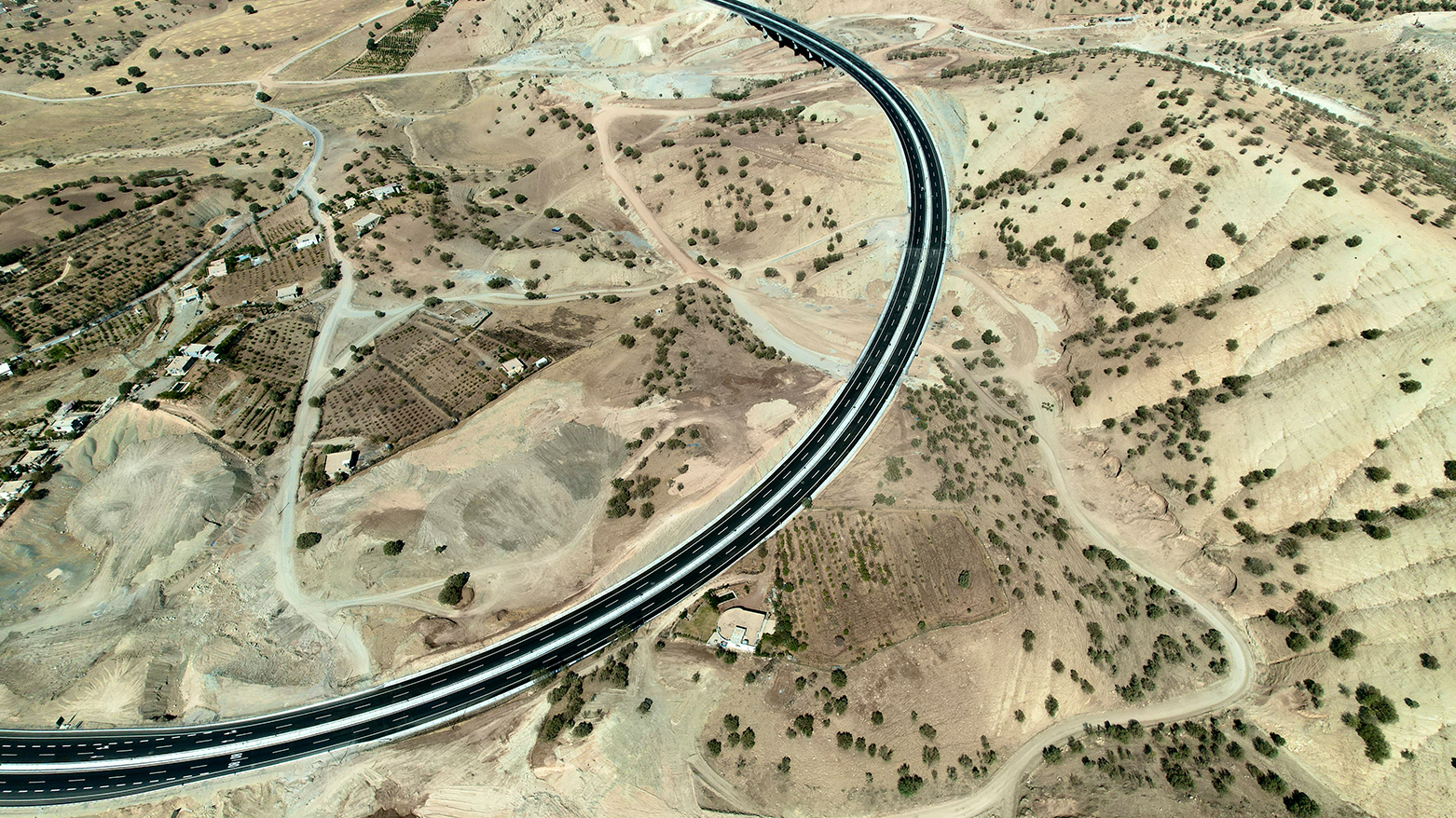
ERBIL (Kurdistan24) — The strategic highway connecting Erbil to Gomaspan has reached substantial completion and is scheduled to open to traffic at the start of the new year, Omed Khoshnaw, the Governor of Erbil, announced on Monday. The declaration marks the final phase of a significant infrastructure development designed to modernize the transportation network within the Kurdistan Region’s capital governorate.
In a formal statement issued on Monday Governor Khoshnaw confirmed that the primary construction work on the 16-kilometer highway has been finalized.
The project, which has been described by officials as one of the most critical strategic initiatives within the borders of Erbil Governorate, is now undergoing final preparations before vehicles are permitted to utilize the route.
According to the governor's office, the remaining tasks are limited to specific works at the entrance to Erbil and the completion of a portion of the bridge situated at the Gomaspan intersection.
These final structural elements are expected to be fully finished within the next 10 to 15 days, aligning with the projected opening date at the beginning of 2026.
The executive manager of the project provided further details regarding the current status of operations on the ground.
Teams are reportedly occupied with the final logistical details necessary for public safety and road maintenance, including the application of line markings and the washing of the road surface. These finishing touches are the last steps in a process that involved thousands of workers and heavy machinery.
The specifications of the newly constructed road reflect a commitment to high engineering standards. The statement from the governorate detailed that the highway spans 16 kilometers in length, with each side of the road measuring 10 meters and 75 centimeters in width.
Authorities emphasized that the construction adhered to the "best quality and global standards," a claim supported by the materials used in the paving process.
To ensure durability and longevity, particularly under the stress of commercial transportation, three distinct layers of asphalt have been applied to the road surface.
This robust paving strategy is intended to allow the highway to withstand heavy truck traffic without immediate degradation. Once operational, the road will feature a speed limit of 100 kilometers per hour, facilitating rapid transit between the connected areas.
The scope of the infrastructure development extends beyond the pavement itself.
The project includes a complex array of engineering structures designed to manage traffic flow and water drainage. The highway incorporates four new bridges, one underpass, and 40 box culverts. Additionally, the roadway is equipped with a comprehensive drainage system and protective fencing to enhance safety for motorists.
The governorate’s statement highlighted the significant economic and labor impact of the construction phase. The project was executed using a workforce that was 100 percent local, a point of pride for the administration.
Commendations were offered to the 2,000 employees who contributed to the project, supported by a fleet of 600 various machines. This reliance on local labor aligns with broader governmental goals to bolster domestic employment through public works initiatives.
The opening of the Erbil-Gomaspan road is expected to yield immediate benefits for the region's transportation dynamics. Officials stated that the project will provide "great benefit to the movement of citizens and tourists," a vital consideration for an area that attracts visitors for its natural scenery.
Furthermore, the transition from the previous single-lane road to a modern highway is projected to significantly reduce congestion. The statement noted that the old road had previously been a site of "untoward accidents" due to its limited capacity and single-lane configuration; the new infrastructure is anticipated to mitigate these safety risks substantially.
Strategically, the project serves as a crucial link in a wider network. The new road runs parallel to the Gomaspan-Smaquli highway project. By connecting these two segments, the administration effectively creates a continuous highway stretching from Erbil to Smaquli, covering a total distance of 38 kilometers. This connectivity is central to the government's plan to facilitate smoother traffic between cities and develop the region's road infrastructure.
The project’s swift completion follows its initiation just over a year ago. The foundation stone for the highway was laid on October 10 of last year by Masrour Barzani, the Prime Minister of the Kurdistan Regional Government. The governorate framed the completion of the work as the realization of the government's strategic planning, delivering on a promise to upgrade the region's critical arteries.
As the final 10 to 15 days of work commence, the focus remains on the entrance to Erbil and the final bridge segments. Once these are cleared, the road will formally open, marking a new chapter for commuters and travelers in the Erbil Governorate and fulfilling a key component of the Kurdistan Regional Government’s infrastructure development agenda.