Yemen Tensions Mount as Saudi Air Strikes Hit STC Forces in Hadramawt
Yemen's separatists accuse Saudi Arabia of air strikes on their positions in Hadramawt province after the group refused to cede recently captured territory.
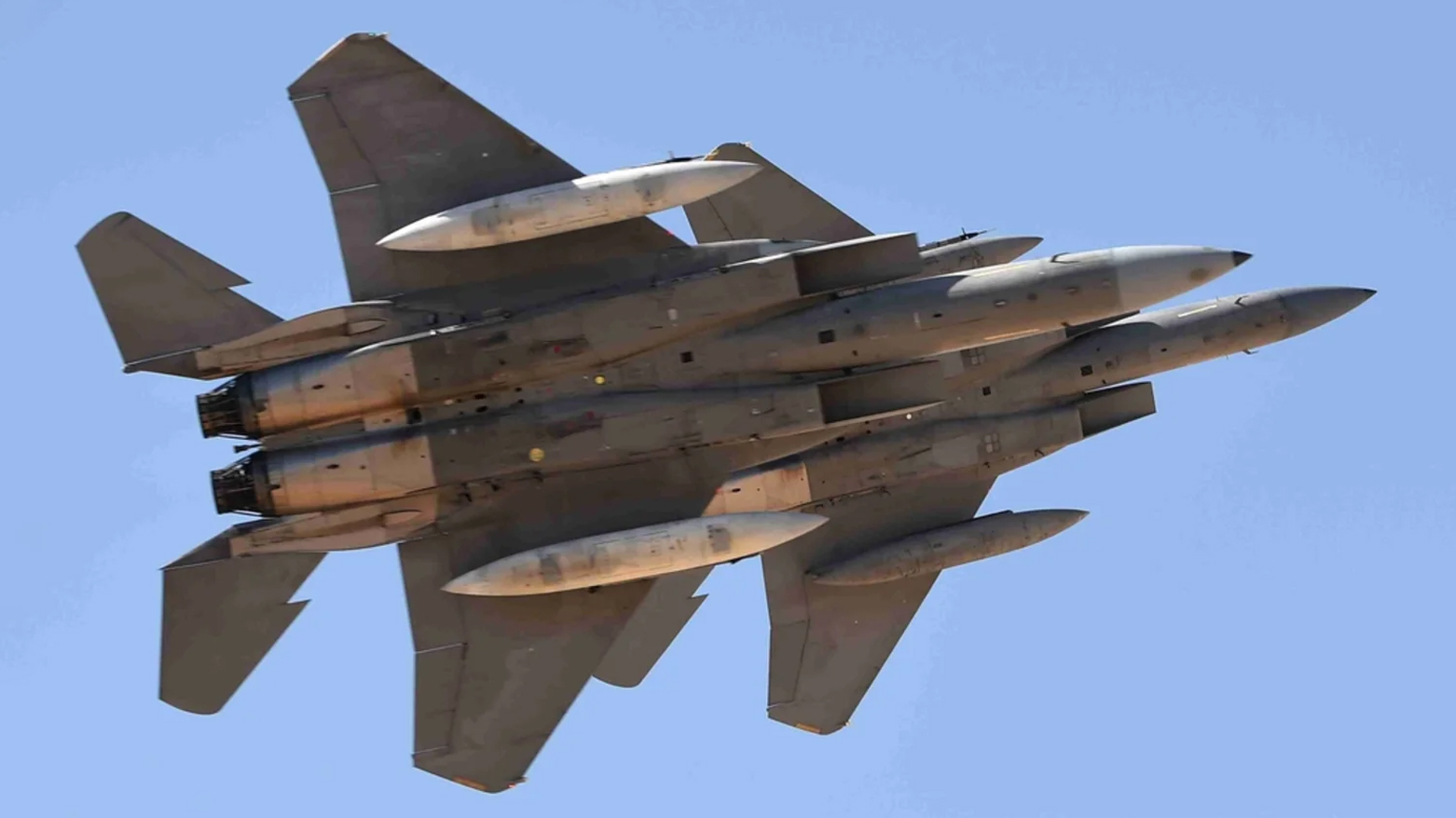
ERBIL (Kurdistan24) – Separatist forces in Yemen, backed by the United Arab Emirates, accused Saudi Arabia on Friday of conducting air strikes against their positions in the country’s vast Hadramawt province. Despite this significant escalation involving its local allies, the UAE officially signaled diplomatic support for Riyadh's role in the conflict.
The alleged strikes, reported by Agence France-Presse (AFP), occurred one day after Riyadh urged the separatists to relinquish control of territory they had recently seized, raising concerns of broader instability in a nation where a fragile truce has largely held for years.
Airstrikes and Accusations
The separatist-affiliated Aden Independent Channel stated in a social media post that the “Saudi Air Force bombed positions of the Hadrami Elite Forces in Wadi Nahb in Hadramawt,” identifying a specific unit within the separatist faction, as reported by AFP.
A spokesperson for the Southern Transitional Council (STC), the main separatist organization, later confirmed to AFP that Saudi Arabia had carried out two strikes in the area.
There were no immediate reports of casualties resulting from the alleged aerial bombardment.
The Saudi-led coalition, which officially supports Yemen’s internationally recognized government, did not immediately respond to a request from AFP to confirm the strikes.
The military action on Friday followed direct ground clashes in the same region a day earlier.
According to AFP, the fighting on Thursday pitted the separatist forces against a tribal leader described as being close to Saudi Arabia. A military official in Hadramawt confirmed that the tribal leader had departed the area after the confrontation.
UAE Issues Diplomatic Support
While its local allies on the ground reported coming under Saudi fire, the United Arab Emirates moved to project diplomatic unity with the Kingdom.
On Friday, the Emirates News Agency (WAM) released a statement confirming that the UAE "welcomed the efforts undertaken by the Kingdom of Saudi Arabia to support security and stability in the Republic of Yemen."
The statement notably avoided referencing the specific clashes in Hadramawt but commended Riyadh’s "constructive role in advancing the interests of the Yemeni people and fulfilling their legitimate aspirations for stability and prosperity."
According to WAM, the UAE reaffirmed its "steadfast commitment to supporting all endeavors aimed at strengthening stability and development in Yemen," emphasizing its desire to contribute positively to regional security.
Coalition Strain
The clashes highlight the complex rivalries within the anti-Houthi bloc. Both Saudi Arabia and the UAE are core members of the coalition backing the internationally recognized government, yet they support rival factions within that patchwork entity.
The immediate trigger for the confrontation appears to be the STC's recent territorial expansion.
On Thursday, Saudi Arabia publicly called on the separatists to withdraw from Hadramawt and Mahra provinces, which their forces had taken control of earlier in the month.
According to AFP, a joint Saudi-Emirati military delegation visited the port city of Aden earlier in the month to directly ask the STC to return the newly seized territory. However, a source close to the STC informed AFP that the separatist group refused the request.
International Concerns
The United Nations has voiced alarm over the separatist maneuvers. Last week, UN Secretary-General Antonio Guterres warned that the STC's advances raised the risk of "wider escalation and further fragmentation" in Yemen.
"A full resumption of hostilities could have serious ramifications on regional peace and security," Guterres stated.
Yemen has been fractured by war since 2014, when the Iran-backed Houthis seized the capital, Sanaa. In 2015, Saudi Arabia led a coalition to intervene. While the intensity of fighting has decreased since a UN-negotiated truce in 2022, these internal coalition fissures threaten to open a new front in the conflict.
The report was updated and statement from UAE government was added. Updated on Friday Dec. 26, 2025, at 02:37pm.