Nearly 630,000 Public Sector Beneficiaries Receive October Salaries Digitally
According to the ministry, Erbil accounts for the largest share of beneficiaries, with 319,491 individuals, followed by Duhok with 164,314, and Sulaimani with 144,027 beneficiaries, totaling 627,832 recipients.
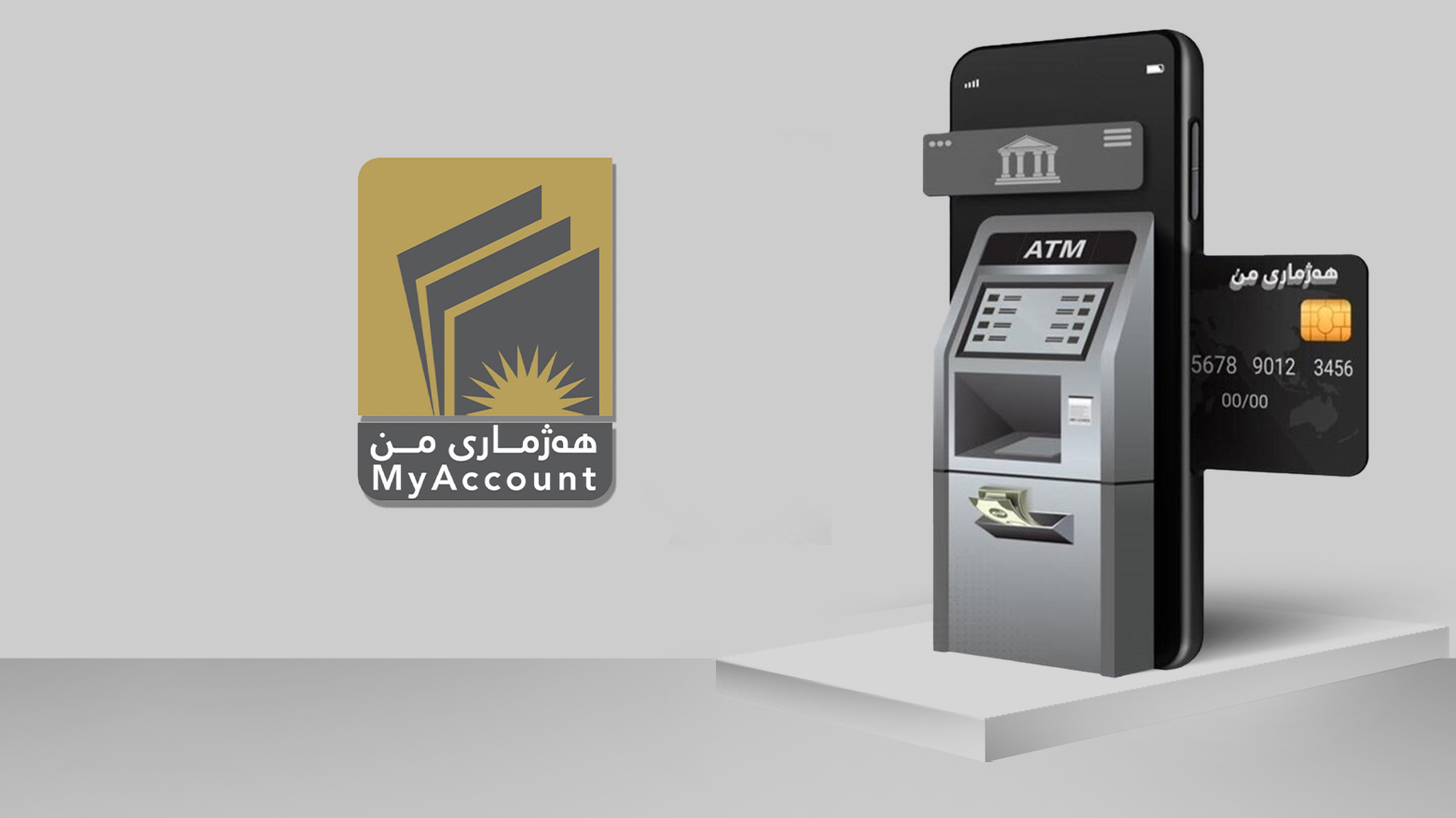
ERBIL (Kuristan24) – The Kurdistan Regional Government (KRG) announced on Sunday that nearly 630,000 civil servants, pensioners, and families of martyrs will receive their October salaries through the MyAccount digital payment system, as part of the government’s ongoing financial inclusion reforms.
In a statement, the KRG Ministry of Finance and Economy confirmed that the October salary cycle will be processed electronically, covering beneficiaries across all provinces of the Kurdistan Region.
According to the ministry, Erbil accounts for the largest share of beneficiaries, with 319,491 individuals, followed by Duhok with 164,314, and Sulaimani with 144,027 beneficiaries, totaling 627,832 recipients.
The ministry further noted that more than 900,000 public sector employees and beneficiaries have registered for bank accounts under the MyAccount initiative. To support the system, over 500 ATMs have been deployed across the Kurdistan Region, ensuring 24-hour access to cash for citizens.
The MyAccount program, announced in 2023 by Kurdistan Region Prime Minister Masrour Barzani, is a key pillar of the ninth KRG cabinet’s agenda to modernize banking services, reduce dependence on cash-based transactions, and strengthen financial inclusion across the region.
KRG officials stated that the continued expansion of digital salary payments reflects the government’s commitment to economic reform, transparency, and enhanced service delivery for public sector workers.
The successful implementation of MyAccount is a testament to KRG's strategic planning and its commitment to meeting rigorous international standards.
The project adheres to strict financial regulations, excluding any sanctioned institutions, and requires participating banks to make substantial investments in their retail infrastructure, including the deployment of ATMs and Point of Sale (POS) devices, as well as enhancing customer service to ensure a seamless transition for all beneficiaries.
The KRG aims to increase financial inclusion to more than 50% of the population by the end of 2028.
For further information, citizens are encouraged to visit the official website at this link or contact the dedicated service center at 1991.