Iran Launches Three Observation Satellites From Russia Amid Expanding Space Program
Iran successfully launched three domestically built observation satellites—Zafar-2, Paya, and Kowsar 1.5—into orbit from Russia, highlighting continued expansion of its civilian space program despite Western concerns.
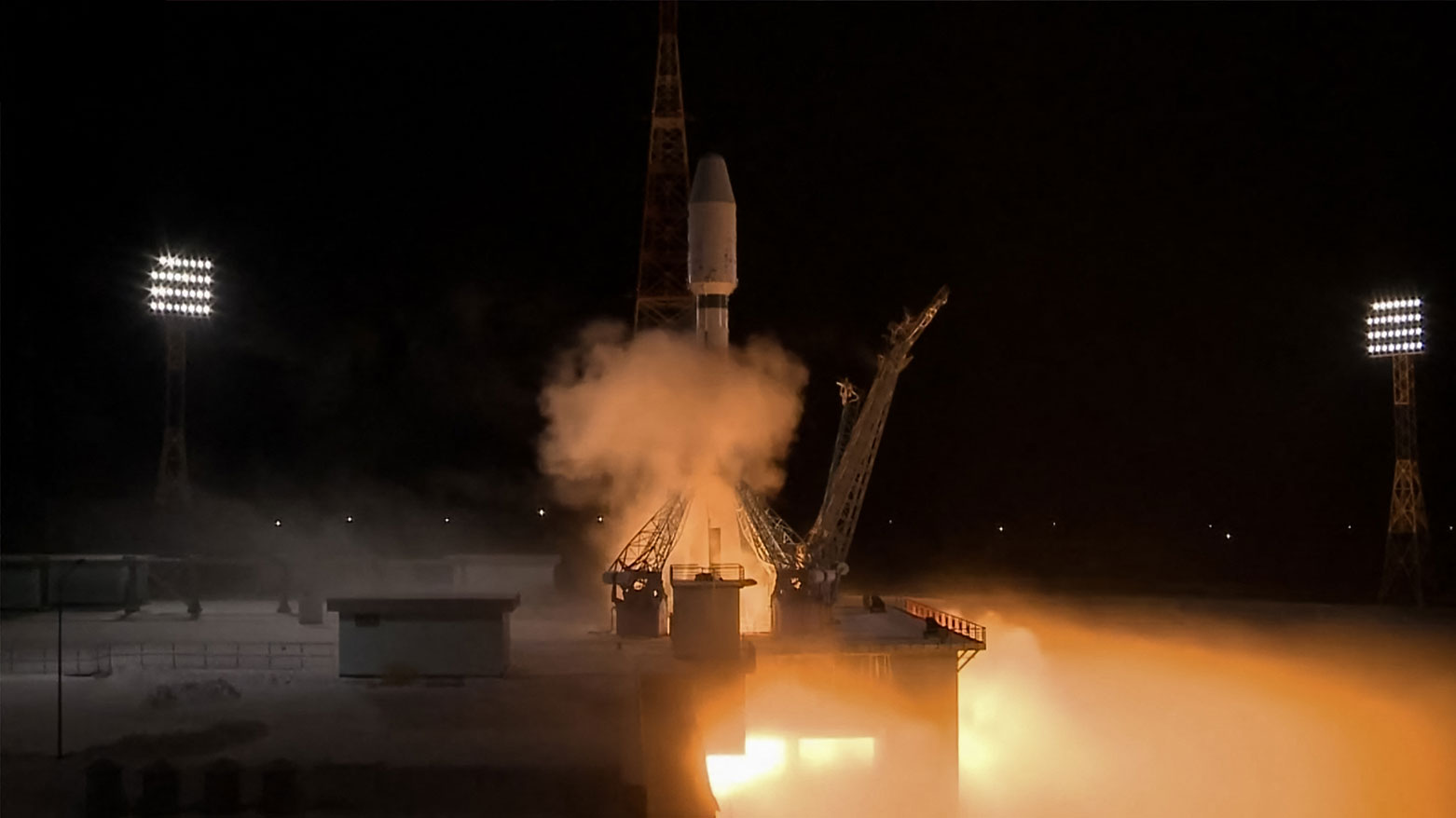
ERBIL (Kurdistan24) - A Soyuz rocket lifted off from Russia’s Vostochny Cosmodrome carrying three Iranian-made observation satellites, marking a new milestone in Tehran’s space program despite ongoing Western sanctions and scrutiny.
Iranian state television reported that the satellites—Zafar-2, Paya, and Kowsar 1.5—were successfully launched into orbit from Russian territory, underscoring growing technical cooperation between Tehran and Moscow in the aerospace field.
According to official accounts, the satellites were designed and built by Iran’s private sector and are intended strictly for civilian observation purposes. Iran has repeatedly stressed that its aerospace activities are peaceful and in line with United Nations Security Council resolutions related to its nuclear program.
The official IRNA news agency said Paya is Iran’s most advanced domestically produced imaging satellite to date. It uses artificial intelligence to enhance image resolution and is expected to support water resource management, environmental monitoring, and geographic mapping.
Iranian media reported that the Soyuz launcher was selected due to its reputation as one of the most reliable vehicles for transporting sensitive satellite payloads into space. The launch from Vostochny follows a similar Iranian satellite mission conducted from the same Russian cosmodrome in July.
State media said the launch brings the total number of Iranian satellite missions to ten over the past two years, reflecting what officials describe as rapid progress in the country’s space capabilities.
Western governments have expressed concern that satellite launch systems rely on technologies that could be adapted for ballistic missiles capable of carrying nuclear warheads. Tehran has consistently denied those claims and rejects accusations that it is pursuing nuclear weapons.
Iranian officials maintain that the space program is focused on scientific advancement and civilian applications, framing the latest launch as further evidence of technological self-reliance under sanctions.