KRG Completes 172 Road Projects in 2025 Amid Infrastructure Push
KRG completed 172 road projects worth over 92 billion dinars in 2025, spanning 640 km, while continuing work on major strategic routes across the region.
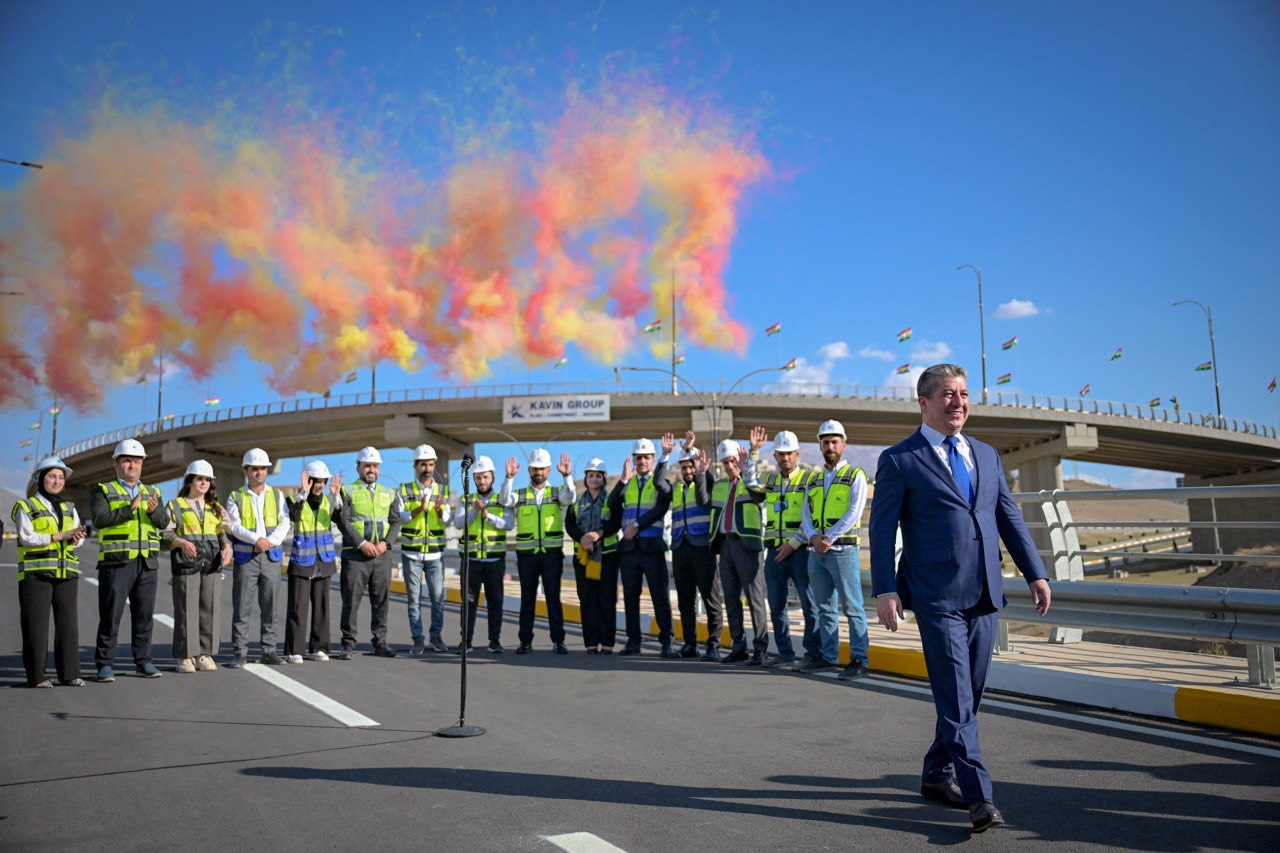
ERBIL (Kurdistan24) – The Kurdistan Regional Government (KRG) announced on Saturday that it successfully completed 172 road projects throughout the year 2025, representing a total expenditure of more than 92 billion dinars. The announcement, made by the Ministry of Construction and Housing, detailed a comprehensive infrastructure effort that spanned 640 kilometers across the region's governorates and independent administrations, funded through a combination of investment budgets, ordinary operational funds, and revenue derived from weigh stations.
Dr. Agrin Abdullah, the Deputy Minister of Construction and Housing for the Kurdistan Regional Government, provided the data in a statement to Kurdistan24 on Saturday.
Dr. Abdullah emphasized that despite various challenges facing the administration, the government managed to execute a significant volume of work aimed at advancing the region's economic infrastructure.
He noted that the completed initiatives largely focused on the construction and repair of village roads, the installation of safety guardrails, and the rehabilitation of main arterial routes critical for daily commerce and civilian transit.
The total financial outlay for these completed projects reached 92 billion and 463 million dinars.
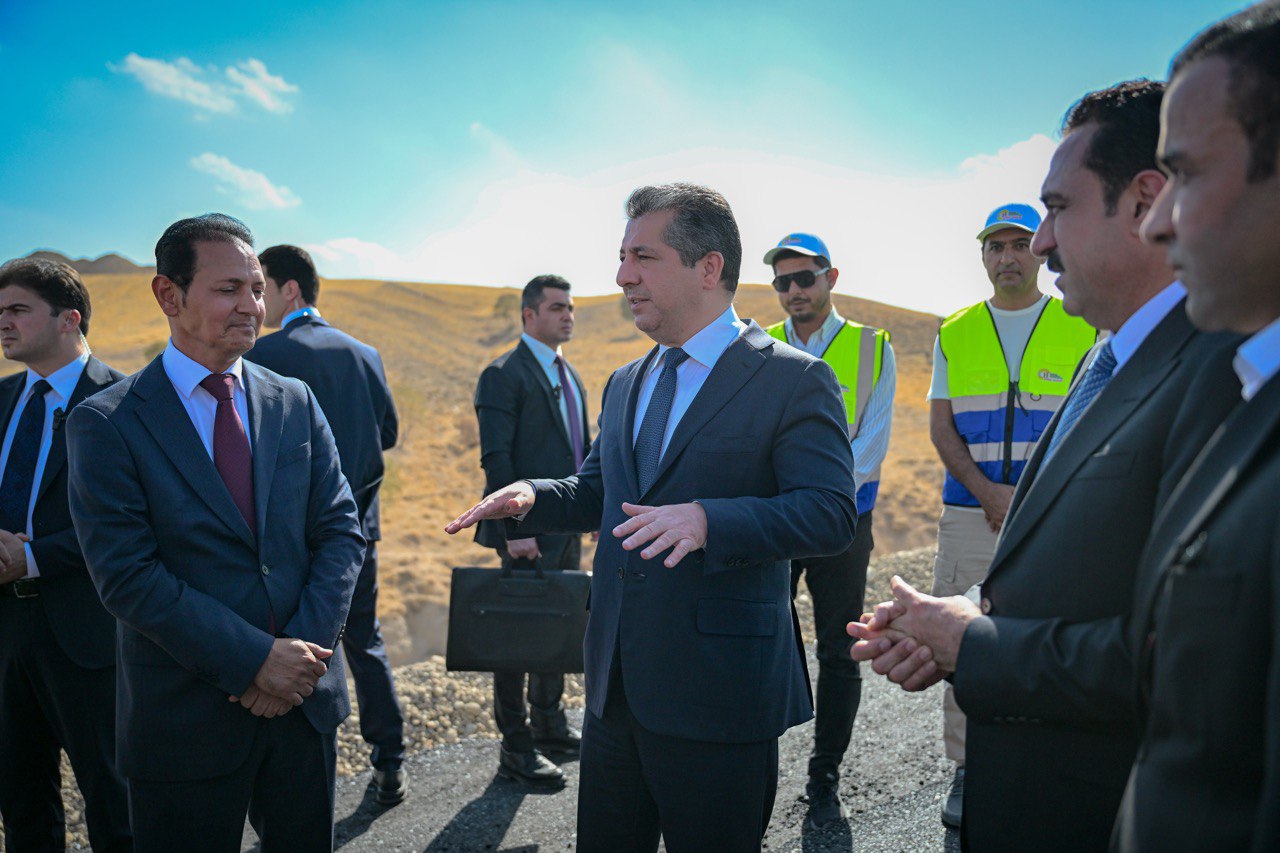
According to the Deputy Minister, the projects were executed using three distinct funding streams: the investment budget, the ordinary budget, and a specific allocation drawn from 30 percent of the revenue generated by vehicle weigh stations. This diversified funding approach allowed the ministry to address different tiers of infrastructure needs, from heavy construction to routine maintenance.
While celebrating the completion of these 172 projects, the ministry also highlighted that work is proceeding intensively on several large-scale strategic initiatives that remain under construction.
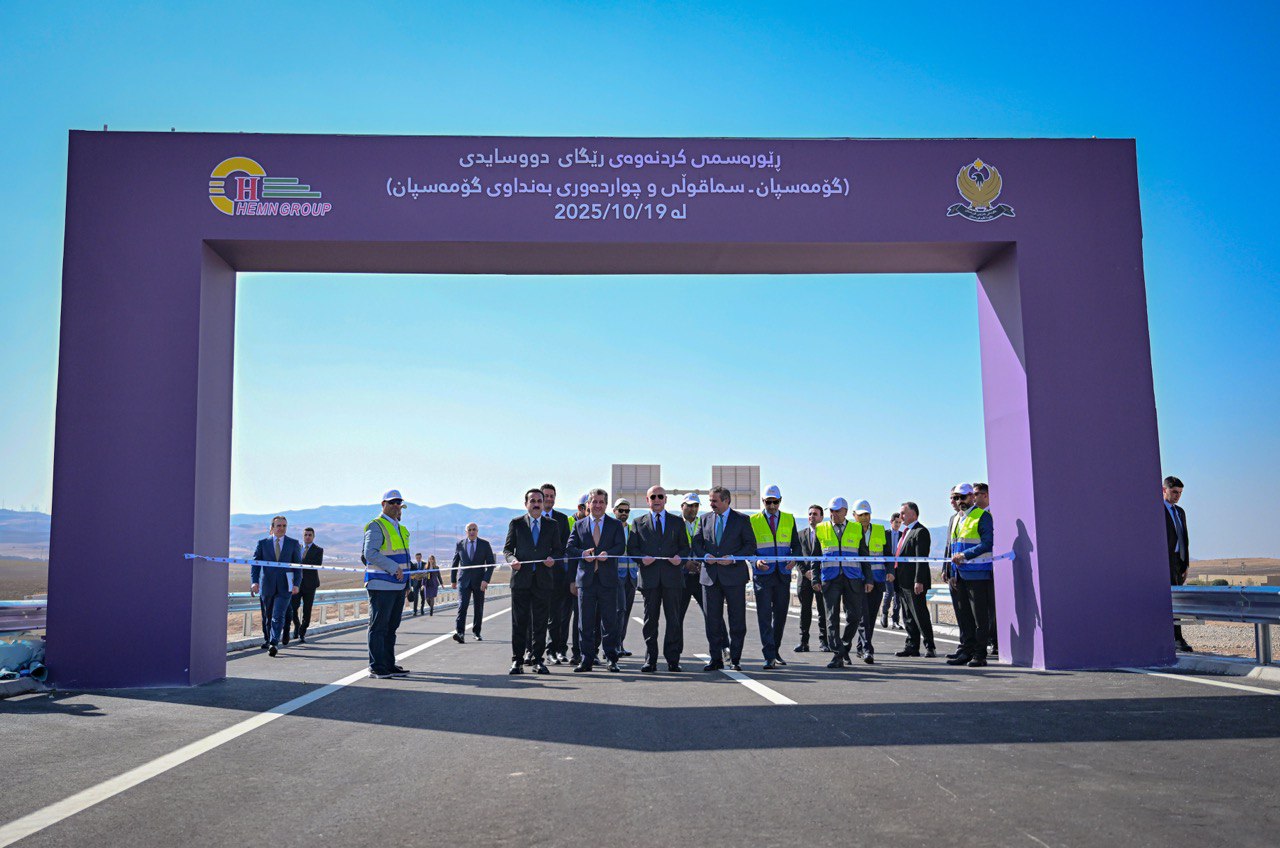
Dr. Abdullah cited specific arterial routes where development is ongoing, including the Erbil-Koya road, the Kore-Shaqlawa-Qandil road, and the Baadre road in Duhok.
Additionally, crews continue to work on the Dukan-Khalakan road and the Warmawa-Darbandikhan road. The Deputy Minister characterized these continuing strategic projects as examples of the KRG's persistent effort to facilitate traffic flow for citizens and modernize the transportation network.
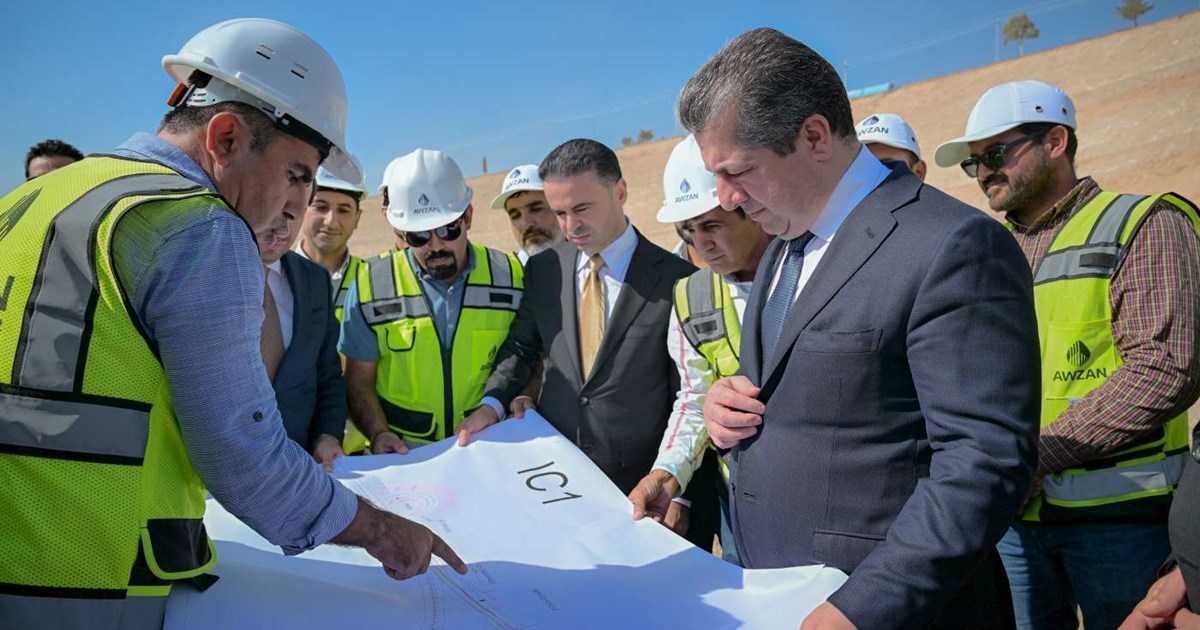
A detailed breakdown of the 2025 projects reveals that the investment budget shouldered the heaviest financial load, funding substantial construction efforts. Under this budget line, the government completed 25 projects with a total combined length of 164 kilometers.
The expenditure for this category alone stood at 68 billion and 408 million dinars. The distribution of these funds varied significantly by location, reflecting specific regional needs.
In the Duhok Governorate, the investment budget facilitated six projects covering a length of 35 kilometers. This area received the largest single allocation within this category, totaling 34 billion and 945 million dinars. The Sulaimani Governorate followed, seeing the completion of six projects spanning 40 kilometers, with a total budget of 20 billion and 127 million dinars.
Other areas also benefited from the investment budget.
The Garmian Administration saw the completion of four projects totaling 8 kilometers at a cost of 4 billion and 206 million dinars. In the capital, the Erbil Governorate finalized two projects valued at 3 billion and 656 million dinars.
The Soran Administration utilized 3 billion and 197 million dinars to complete two projects covering a significant distance of 40.50 kilometers. Meanwhile, the Halabja Governorate completed three projects spanning 39 kilometers with a budget of 1 billion and 595 million dinars, and the Raparin Administration finalized two projects covering one kilometer with a budget of 682 million dinars.
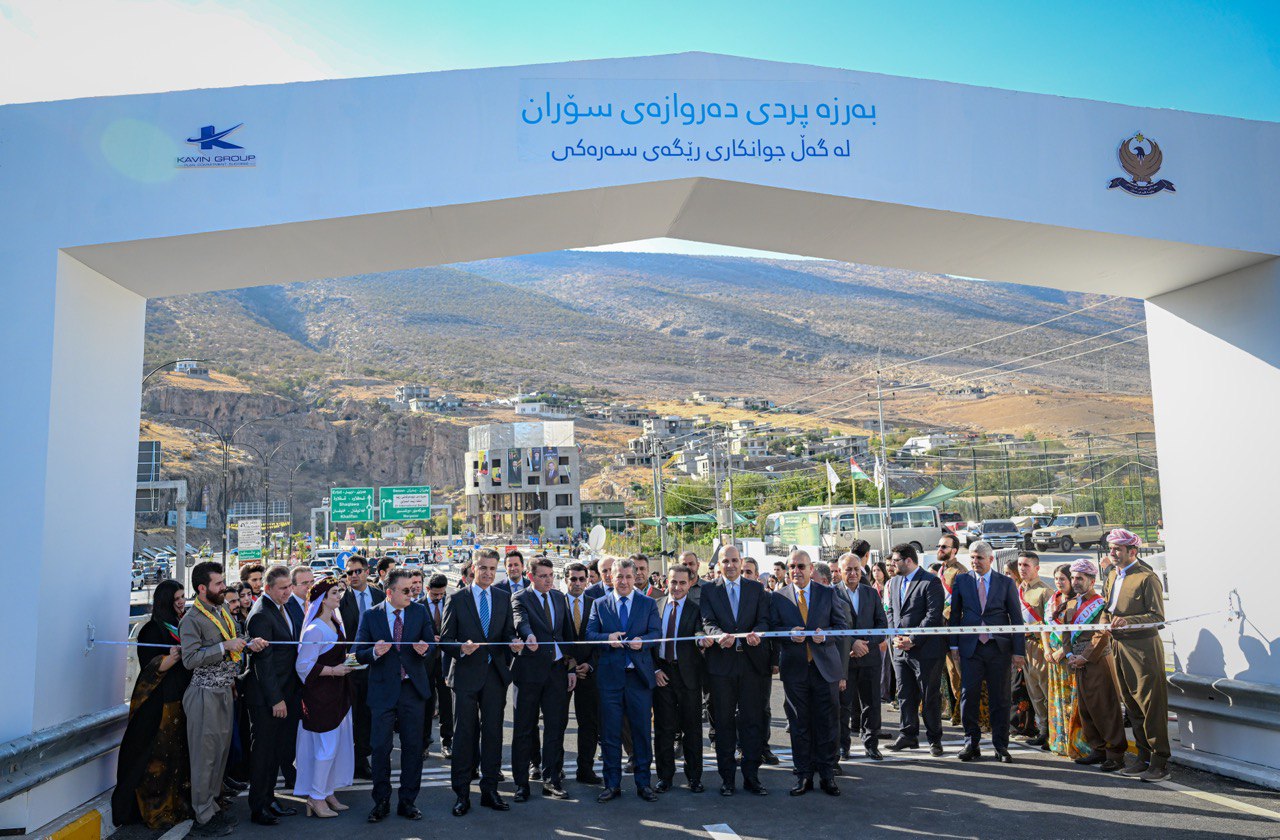
The second category of funding, the ordinary budget, was utilized primarily for road repair and paving initiatives.
This stream supported the highest number of individual contracts, with 101 projects completed across a total length of 150.044 kilometers.
The total spending for this category was 20 billion and 55 million dinars. The geographic distribution of these projects was heavily concentrated in the Sulaimani Governorate, which saw the implementation of 48 projects costing 14 billion and 71 million dinars, though the total length covered was a relatively short 7.350 kilometers, suggesting intensive localized repairs.
In contrast, the Erbil Governorate utilized the ordinary budget to cover a much larger distance. Erbil completed 11 projects under this fund, costing 1 billion and 498 million dinars but spanning 78.025 kilometers.
The Soran Administration also saw significant activity, with 10 projects covering 31.100 kilometers at a cost of 1 billion and 835 million dinars.
Other administrations included Raparin, with nine projects (849 million dinars); Duhok, with nine projects (748 million dinars); Garmian, with seven projects (390 million dinars); Zakho, with three projects (347 million dinars); and Halabja, with four projects (319 million dinars).
The third funding stream relied on reinvesting 30 percent of the revenue collected from weigh stations, a mechanism specifically allocated for road repair and paving. This source funded 46 projects with a cumulative budget of 4 billion dinars, covering the most extensive distance of the three categories at 327 kilometers.
The Erbil Governorate was the primary beneficiary of the weigh station revenue funds, executing 28 projects with a budget of 1 billion and 897 million dinars.
These projects covered a massive 276 kilometers of roadway, accounting for the vast majority of the distance improved under this specific funding mechanism. The Duhok Governorate followed with six projects covering 44 kilometers at a cost of 1 billion and 114 million dinars.
Smaller allocations from the weigh station revenue were distributed elsewhere.
The Zakho Administration completed two projects covering 3.181 kilometers (466 million dinars), while the Sulaimani Governorate implemented seven projects covering 3 kilometers (397 million dinars).
The Soran Administration completed two projects covering one kilometer (115 million dinars), and the Garmian Administration finalized one project with a budget of 11 million dinars.
Dr. Abdullah reiterated that the completion of these diverse projects, ranging from village access roads to major thoroughfare repairs, is integral to the government's broader strategy.
By securing multiple funding streams and targeting specific infrastructure deficits across all governorates and independent administrations, the Kurdistan Regional Government aims to bolster the economic foundations of the region and improve the daily commute for its population.